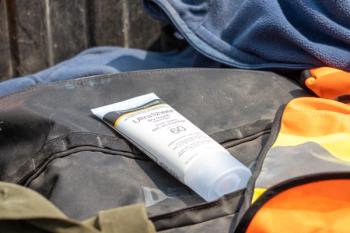
Two new Neutrogena facial sunscreens incorporate bemotrizinol, the first new sunscreen active ingredient added to the US OTC monograph in decades.
On National Skin Barrier Day, dermatologists share barrier-saving tips for gentle cleansing, daily sunscreen, smarter product audits, and retinoid adherence.
In recognition of today’s National Skin Barrier Day, Dermatology Times collaborated with
Dermatology clinicians play a vital role in guiding everyday skin care practices that support barrier function, minimize irritation, and ultimately improve clinical outcomes across a range of common dermatologic conditions. Which skin barrier myths or patient questions do you find yourself addressing most often in clinic? Let us know on social media or by emailing us at
Regine J. Mathieu, MD, FAAD, board-certified dermatologist at Behr Laser & Skin Care Center in Fresno, California, underscored the central role of the epidermal barrier in maintaining cutaneous homeostasis, framing it with the classic “brick-and-mortar” model—corneocytes as structural bricks and intercellular lipids (ceramides, cholesterol, and fatty acids) as the mortar responsible for cohesion and water retention. A key focus of her discussion was the disproportionate impact of barrier compromise on melanogenesis in skin of color, where inflammation-driven melanocyte activation leads to post-inflammatory hyperpigmentation (PIH). Mathieu emphasized that PIH can be persistent, recalcitrant to treatment, and a major source of psychosocial distress for affected patients. She advocates for a preventive, barrier-supportive approach that includes gentle, non-stripping cleansers; moisturizers enriched with ceramides, lipids, and humectants such as glycerin; and rigorous, daily photoprotection to mitigate further pigmentary change.
Aleta Simmons, MD, FAAD, board-certified dermatologist at Simmons Skin Center in Brentwood, Tennessee, underscores the importance of routinely performing a structured “skin inventory” with patients who already have impaired skin barriers from inflammatory dermatoses such as acne and eczema. By systematically asking what patients are using in the shower and at the sink, clinicians can uncover products that may be driving irritation, exacerbating existing disease, or inducing new conditions like contact dermatitis. Gentle, fragrance-free formulations are recommended as first-line supportive care to minimize additional barrier disruption and irritant load. Through these conversations, clinicians can guide patients on which products to keep, which to discontinue, and where substitutions are needed, aligning home skin care practices with therapeutic goals and improving overall disease control.
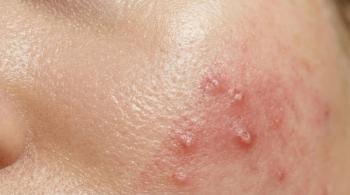
Alexis Holmes, MD, board-certified dermatologist at Ringpfeil Advanced Dermatology in Philadelphia, Pennsylvania, provided a practical counseling framework for optimizing topical retinoid use in acne patients who experience redness, dryness, flaking, and irritation. She emphasizes that clinical outcomes depend not only on selecting effective agents such as tretinoin and adapalene, but also on maintaining the skin barrier to ensure adherence. The “moisture sandwich” technique—moisturizer, then a thin layer of retinoid, followed by another layer of moisturizer—is a simple, implementable strategy to reduce inflammation and improve tolerability. By increasing comfort and decreasing early irritant adverse effects, this approach helps patients remain consistent with their prescription regimen, ultimately supporting better acne control and long-term results.