

Derm-Biome Pharmaceuticals reported positive preclinical results for DB-006, a small molecule reducing itch, inflammation, and IgE levels in a model of atopic dermatitis.
Derm-Biome Pharmaceuticals reported positive preclinical results for DB-006, a small molecule reducing itch, inflammation, and IgE levels in a model of atopic dermatitis.
David Rosmarin, MD, reviewed the heterogeneous nature of chronic hand eczema, areas of unmet need in atopic dermatitis treatment, and emerging systemic options in the vitiligo pipeline at RAD 2026.

Adam Friedman, MD, discusses dysbiosis and immune dysfunction in atopic dermatitis and the impact on bacterial and viral infections.

Two clinic cases illustrate why dermatologic providers must apply broad general medicine training in every encounter.
Mona Shahriari, MD, FAAD, shares expert insights on tailoring atopic dermatitis care, from IL‑13 biologics to promising OX40 drugs that may modify disease long term.
At RAD 2026, David Rosmarin, MD, discussed the unmet need in chronic hand eczema, emerging pipeline agents, and his approach to evaluating clinical trial data.

Explore evolving pediatric atopic dermatitis care: personalized, stepwise therapy, early-infant treatment gaps, growth monitoring, and expanding nonsteroidal options promising better outcomes.

Drawing parallels to diabetes and hypertension, Adam Friedman, MD, invokes the dangerous side effect of doing nothing in reframing treatment strategies.
Adam Friedman, MD, maps the AD comorbidity spectrum, from T2-driven diseases to sleep-related indirect consequences, and discusses clinical implications.

As RAD kicks off in Nashville, Tennessee, scroll through and find some faces familiar to Dermatology Times who are presenting at the meeting.

Elizabeth Buzney, MD, provides her advice for practice setup, prior authorization timelines, and patient counseling for afamelanotide treatment in erythropoietic protoporphyria.
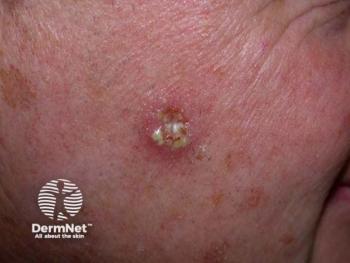
A new qualitative study finds that patients with hard-to-heal wounds routinely engage in protective and monitoring behaviors at home without recognizing those efforts as meaningful contributions to their own care.
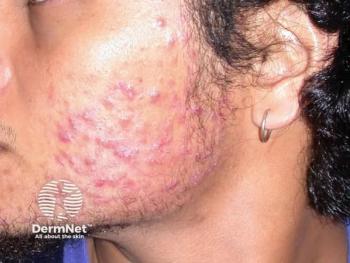
The 3-phase Isoclear regimen pairs topical isotretinoin with clindamycin, tranexamic acid, niacinamide, and copper peptide based on treatment stage.

Before Revolutionizing Atopic Dermatitis 2026 begins, take a look back at the data, debates, and patient stories that defined last year’s Nashville meeting.

Microneedle SkinJect patch aims to clear basal cell carcinoma without surgery, showing phase 2 promise and expanding to Gorlin syndrome trials.

Innovations in packaging, formulation design, and alternative preservation strategies may reduce preservative concentrations, but they are unlikely to eliminate the need for preservatives entirely.
Dissolvable microneedles deliver doxorubicin to basal cell lesions, showing promising phase 2 clearance and opening hope for Gorlin syndrome patients.
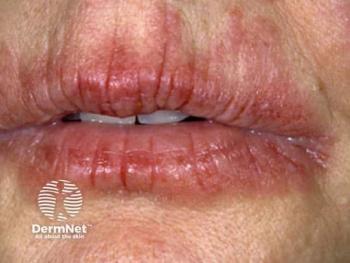
Nearly 68% of AD patients and 78% of psoriasis patients on topical-only regimens expressed a desire for systemic therapy, reflecting widespread skepticism about topicals as a long-term strategy.
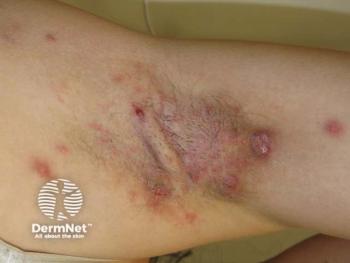
Avalo readies long-acting AVTX-010 to target hidradenitis suppurativa, aiming for fewer injections for patients after strong phase 2 abdakibart results.
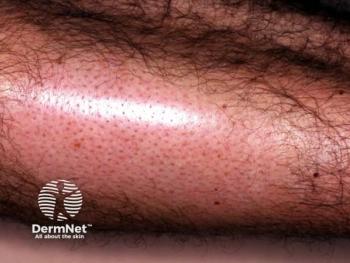
HCW9302 selectively expands Treg cells to suppress autoreactive follicular inflammation without broad immunosuppression.
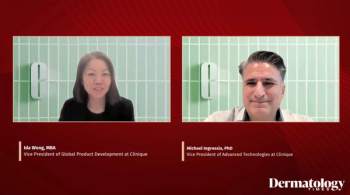
Michael Ingrassia, PhD, and Ida Wong, MBA, speak about the brand's new line, pairing clinically tested soothing skin care with makeup to calm reactive skin, strengthen the barrier, and ease redness-related stress.

In a pivotal trial, two-thirds of skinvive neck patients maintained clinically significant improvement at six months.
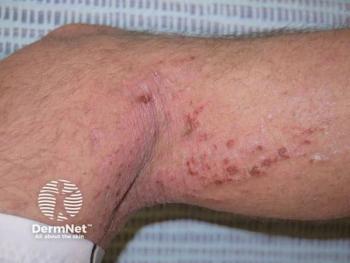
Data from the BroADen trial suggest that targeting STAT6 through protein degradation may offer a novel oral approach to controlling type 2 inflammation in atopic dermatitis.

Cosibelimab joins cemiplimab and pembrolizumab as a first-line option for advanced cSCC unsuitable for curative surgery or radiation.

As Darrell Rigel, MD, MS, notes, bemotrizinol will deliver photostable broad-spectrum UVA/UVB protection with better cosmetic feel, low absorption, and pave the way for more advanced US sunscreens.
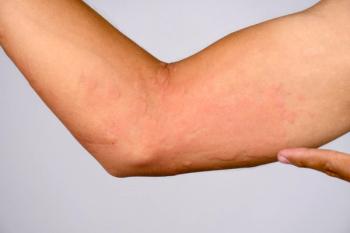
IL-4Rα blocker stapokibart cleared chronic spontaneous urticaria and improved quality of life after omalizumab failure in a 44-year-old female patient.
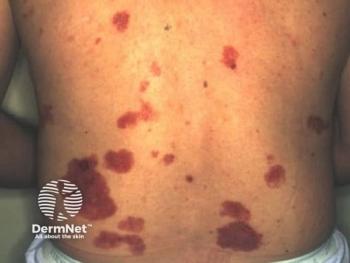
SkinJect demonstrated 64% clinical clearance and 55% complete histological response in a phase 2 study of nodular BCC patients.
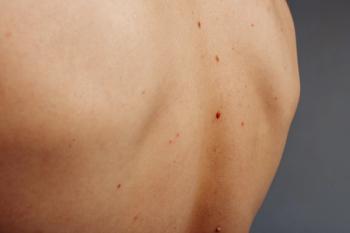
Because BCC and cSCC have high tumor mutational burdens driven by UV-induced DNA damage, they are particularly well suited to immune checkpoint inhibition.
Does this structured nighttime skin care routine actually work or is it just a myth? Read more about the latest social media trend and learn how to counsel your patients in the clinic.

Learn how today’s aesthetic care is shifting to prevention through skin care, retinoids, lasers, and conservative fillers for natural, refreshed aging.