


A national survey examines the pressures facing independent dermatologists and strategies to strengthen practice performance.
A national survey examines the pressures facing independent dermatologists and strategies to strengthen practice performance.

The approval expands the existing indication for adults and children down to age 6, includes intertriginous areas, and removes restrictions on duration of use.

Philip Mease, MD, discusses the FDA's label expansion for guselkumab's inhibition of structural joint damage in psoriatic arthritis.

Dermatology Times is looking back on the top stories in dermatology from the month of June.

Evommune's EVO756 failed to meet the primary end point in a phase 2b trial for chronic spontaneous urticaria, prompting the company to discontinue development for the indication while continuing studies in atopic dermatitis.
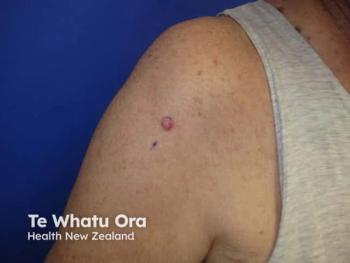
Despite often being highly treatable, nonmelanoma skin cancers account for millions of biopsies, procedures, and follow-up visits annually, creating a substantial healthcare burden.

Do nighttime collagen masks actually work or is it just a myth? Read more about the latest social media trend and learn how to counsel your patients in the clinic.
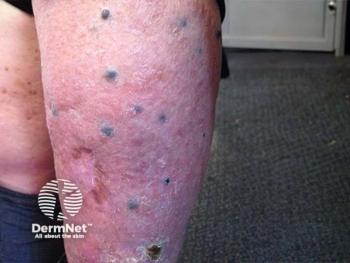
The FDA has accepted Replimune's third resubmitted BLA for RP1 plus nivolumab in advanced melanoma, setting an August 2 PDUFA date.

Kord Honda, MD, reviews the hormonal drivers of acne, prevention-focused treatment, and common skin care misconceptions.
An Evolving Paradigms event led by Darrell S. Rigel, MD, MS, compared PD-1/PD-L1 immunotherapies for advanced cutaneous squamous cell carcinoma, with referral guidance and toxicity alerts.

Lim considers mentoring and helping develop the next generation of dermatologists one of his most meaningful contributions to the specialty.

Find out what skin care products and aesthetic innovations clinicians are recommending to patients for the month of June.
Raj Chovatiya, MD, PhD, MSCI, co-chair of RAD 2026, highlighted new AD science, type 2 inflammation insights, and emerging therapies—helping clinicians translate immunology advances into better patient care.
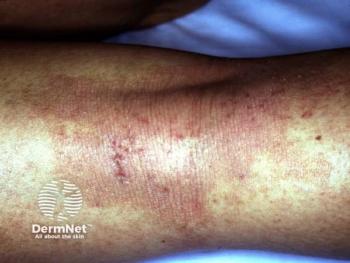
Kymera Therapeutics finished enrollment in its phase 2b BROADEN2 trial of KT-621 nearly six months early, moving up topline AD data to year-end 2026.

Andrew Krakowski, MD, encourages involving both caregivers and children in treatment decisions, giving young patients a sense of ownership that can significantly improve adherence.
State melanoma reporting data reveals a striking gap between one Arizon dermatologist's detection rates and his peers, and a possible explanation rooted in how dermoscopy is taught.

Expert guidance from RAD 2026 dispels eczema diet myths, urging symptom-based allergy testing and whole-patient atopic dermatitis care with practical skin, sleep, and lifestyle strategies.

A recent JAAD case report describes congenital depigmentation and progressive posttransplant repigmentation in a child with NHEJ1-related radiosensitive SCID—a pairing not previously documented.

This review of the latest dermatological studies includes insights into vitiligo, including emerging surgical techniques, the impact of social media, camouflage agents, and more.

An international survey shows vitiligo drives stigma, sun avoidance, and daily limits, urging better treatment guidance and mental health support.

Lisa Pruett, MD, FAAD, shares evidence-based acne care, debunks summer retinoid myths, and explains how Glo2Facial oxygenation and exfoliation support clearer skin and fade marks.

As payers escalate automated denial programs targeting dermatology's E/M claims, the data shows practices that appeal consistently win, yet fewer than 1% ever do.
Discover how JAK inhibitors reshape AD care with rapid relief, smart safety screening, and emerging personalized strategies that guide real-world treatment choices.

New data show that nearly two-thirds of Sun Bus participants had never visited a dermatologist, highlighting persistent gaps in access to skin cancer care.
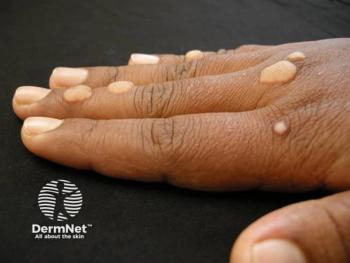
Verrica Pharmaceuticals and Japanese partner Torii Pharmaceutical have each dosed a first patient in COVE-3, the second pivotal phase 3 trial testing Ycanth for common warts.
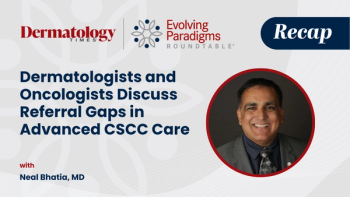
Neal Bhatia, MD, led an Evolving Paradigms event on advancing multidisciplinary care in cutaneous squamous cell carcinoma to compare systemic immunotherapy data and referral practices.

AbbVie’s $10.9B deal adds Apogee’s long-acting IL-13 and TSLP antibodies to its portfolio, aiming for less frequent dosing in atopic dermatitis and asthma.

Career decisions in dermatology are too often driven by emotion rather than data, according to a new practice management column examining common pitfalls in contract evaluation and compensation negotiations.
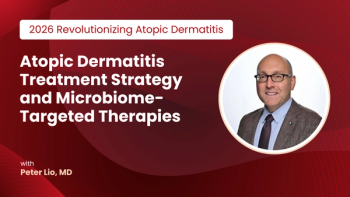
At RAD 2026, Peter Lio, MD, discussed shared decision-making strategies and emerging microbiome-targeted therapies for atopic dermatitis.
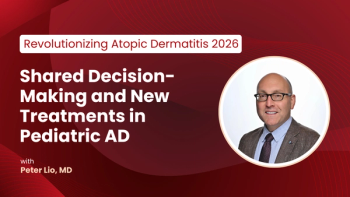
Peter Lio, MD, explains how shared decision-making and newer nonsteroidal topicals and systemic options are reshaping pediatric eczema care, easing steroid worries.