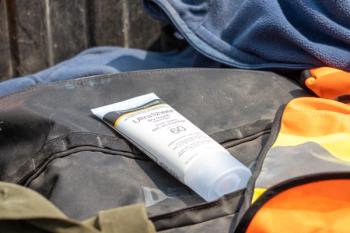
Two new Neutrogena facial sunscreens incorporate bemotrizinol, the first new sunscreen active ingredient added to the US OTC monograph in decades.
Translational Takeaways distills the most clinically relevant findings from emerging dermatology research into clear, practice-focused insights that inform real-world decision-making.
This week’s dermatology literature highlighted an increasingly important theme across inflammatory and procedural care: outcomes are being shaped not only by new therapeutics, but also by how clinicians optimize patient experience, timing of diagnosis, and individualized treatment strategy.
A prospective controlled study evaluating auditory distraction during cosmetic botulinum toxin injections suggests that simple environmental modifications may meaningfully improve procedural tolerability, particularly in treatment-naïve patients.1
Both patient-selected music and standardized white noise reduced procedural pain compared with routine clinic sound exposure:
The effect appeared most pronounced among first-time botulinum toxin patients, who otherwise reported significantly higher pain scores than experienced patients.
Notably, nearly all participants favored continuing sound interventions during future procedures:
As aesthetic dermatology becomes increasingly experience-driven, low-cost sensory interventions may emerge as practical tools for improving procedural tolerability and patient retention—especially among anxious or first-time cosmetic patients.
The findings also reinforce a broader point increasingly relevant in procedural dermatology: anxiety modulation itself may meaningfully influence pain perception.
A cross-sectional Saudi Arabian study evaluating bariatric surgery in HS found numerically lower pain, depression, anxiety, and quality of life impairment among patients who had undergone surgery—but none of these differences remained statistically significant after adjustment.2
Even so, several trends persisted:
Pain severity demonstrated the strongest correlation with impaired quality of life and psychological burden.
The findings reinforce that obesity reduction may represent only one component of HS disease modification. Persistent scarring, chronic pain, excess skin folds, and postoperative nutritional changes may all continue to influence disease burden even after substantial weight loss.
Clinically, the study further supports pain assessment as a practical surrogate marker for broader psychosocial impairment in HS management.
A large retrospective analysis from the Premier Health care Database found that patients with formally diagnosed HS experienced substantially earlier biologic initiation and lower acute healthcare utilization than patients with suspected but undiagnosed disease.3
Among adults:
However, disparities persisted:
The data suggest that earlier recognition of HS may itself alter downstream utilization patterns, accelerating access to multimodal management while reducing high-acuity healthcare use.
At the same time, the persistence of racial and socioeconomic disparities indicates that diagnostic recognition alone is unlikely to eliminate treatment-access inequities.
A large PK/PD modeling study evaluating adalimumab in psoriasis suggests proactive therapeutic drug monitoring (TDM) could potentially improve biologic outcomes while identifying patients unlikely to benefit from continued dose escalation.4
Simulation modeling showed:
The study also identified distinct patient subsets:
While still modeling-based rather than prospective interventional evidence, the study reflects growing momentum toward PK/PD-guided biologic optimization in dermatology.
Rather than relying solely on empiric escalation or switching, future psoriasis management may increasingly incorporate serum drug exposure, immunogenicity, and individualized response prediction into routine decision-making.
A small prospective pilot study evaluating intramuscular autologous total IgG injections in antihistamine-refractory CSU demonstrated improvements in disease activity, symptom control, and quality of life over 24 weeks.5
Key findings included:
No serious adverse events were reported.
Although preliminary and uncontrolled, the persistence of benefit beyond the active treatment period raises interest in whether autologous IgG therapy may exert broader immunomodulatory effects rather than transient symptomatic suppression alone.
Larger controlled studies will ultimately determine whether this approach can evolve beyond experimental use.
Which trend is most likely to meaningfully shape inflammatory dermatology management over the next decade?
References