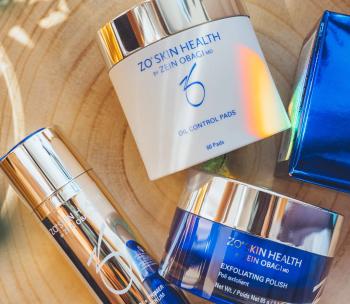
Can “Botox in a bottle” really rival injectable neuromodulators? We examine the evidence behind topical peptide serums and Argireline.
Microbiome-first biotech in dermatology is shifting from harsh acne treatments to balance-focused solutions, using anti-inflammatory compounds that support healthier skin ecosystems.
Maxwell Stock, founder and CEO of
According to Stock, increasing interest in microbiome-centered skin care reflects broader scientific understanding that skin functions as a dynamic ecosystem rather than simply a surface barrier. He noted that both clinicians and consumers are becoming more aware of the importance of maintaining microbial homeostasis, a concept that gained traction as public awareness of the gut microbiome expanded. Stock suggested that traditional “strip and suppress” approaches to skin care are gradually being replaced by strategies aimed at preserving balance and supporting long-term skin health.
He emphasized that microbial imbalance is linked to many inflammatory skin conditions and argued that modern lifestyle trends may be contributing to rising rates of dysbiosis-related skin disorders. Stock noted that many cutaneous concerns involve overgrowth or dominance of specific microbes, making restoration of equilibrium an important therapeutic goal.
Central to the discussion was Signum’s proprietary technology,
Stock contrasted this approach with more traditional acne therapies such as benzoyl peroxide, which he characterized as an aggressive “kill everything” strategy that may disrupt the microbiome when overused. He highlighted published research evaluating TCP from mechanistic laboratory studies through human clinical testing in acne-prone skin, demonstrating improvements in skin clarity and balance while maintaining a gentler formulation profile.