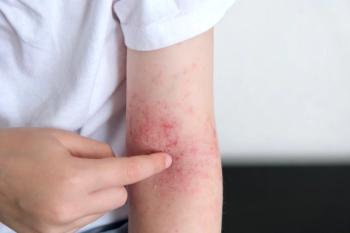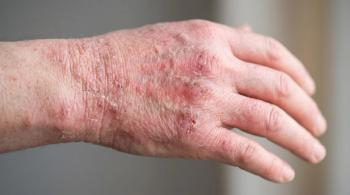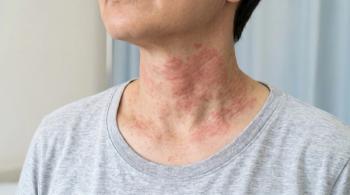
SYX-5219 improved disease severity and itch in a Phase 1b trial of adults with moderate to severe atopic dermatitis.
Christopher Bunick, MD, PhD, shared practical guidance on sun protection, swimming, and preserving the skin barrier in patients with atopic dermatitis.
Sun protection recommendations for patients with atopic dermatitis extend beyond UV protection alone, according to Christopher Bunick, MD, PhD. In a recent Dermatology Times interview, Bunick discussed how sunscreen ingredients, water exposure, and skin barrier support can influence disease activity while highlighting how effective systemic treatment can help restore patients' ability to enjoy
Because atopic dermatitis compromises the skin barrier, certain sunscreen ingredients may cause burning or stinging, potentially exacerbating disease symptoms. Bunick also noted that heat and sweating may trigger disease flares.
For patients with sensitive skin—or children and family members with atopic dermatitis—he recommended choosing hypoallergenic sunscreen formulations that minimize potentially irritating ingredients while continuing to prioritize regular moisturization to help support the skin barrier.
"Those would certainly be preferred," Bunick said.
Water Exposure May Worsen Skin Barrier Dysfunction
He encouraged patients to consider sunscreen selection alongside water type, duration of exposure, and cumulative chemical exposures during outdoor activities.
"It is very important to pay attention to the types of water, the length of time in water, and the different chemicals being exposed to—not just in the water, but also in sunscreens," Bunick said.
Advanced Therapies Can Restore Quality of Life
Beyond symptom control, Bunick emphasized that effective treatment can allow patients to return to activities they previously avoided because of their disease.
He recalled treating a man in his 30s whose atopic dermatitis made swimming too painful because of burning and stinging. After initiating
"Not only did his skin do phenomenal, but his quality of life was restored through the roof, because he could go swimming now comfortably and without any burning, stinging, or discomfort," Bunick said.
For patients whose atopic dermatitis limits participation in swimming, sports, or other summer activities, Bunick encouraged evaluation by a dermatologist, noting that advanced therapies may substantially improve disease control and