


Lisa Swanson, MD, discussed strategies for counseling patients on JAK inhibitor safety and where she sees the drug class expanding next in a recent Dermatology Times interview.
Lisa Swanson, MD, discussed strategies for counseling patients on JAK inhibitor safety and where she sees the drug class expanding next in a recent Dermatology Times interview.
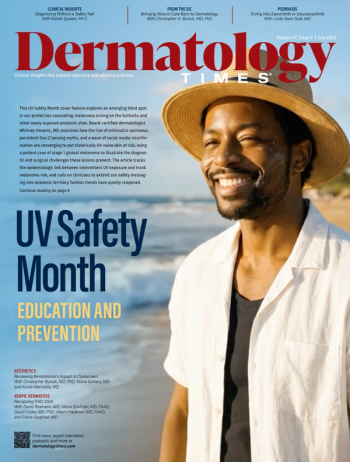
Learn more about the in-depth topics covered in the July 2026 digital issue of Dermatology Times.
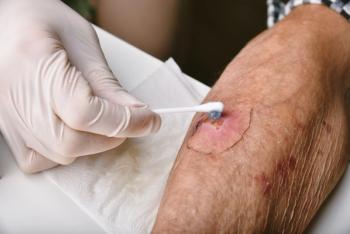
In July's letter from the editor in chief, Christopher Bunick, MD, PhD, breaks down why dermatology clinicians should be skilled in wound care.
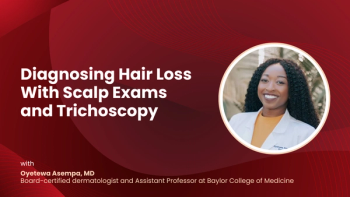
Oyetewa Asempa, MD, discussed the importance of scalp examination, trichoscopy, and culturally informed communication when evaluating patients with hair loss during a recent Dermatology Times interview

Victoria Garcia Albea, NP, discussed safety monitoring, patient selection, and laboratory screening considerations for oral JAK inhibitors at Elevate-Derm summer 2026
Catch Up on Coverage From Day 2 of the 3rd Annual Elevate-Derm Summer Conference
At Elevate Derm, Lisa Swanson, MD, discussed earlier oral JAK inhibitor use for alopecia areata and selecting appropriate patients.
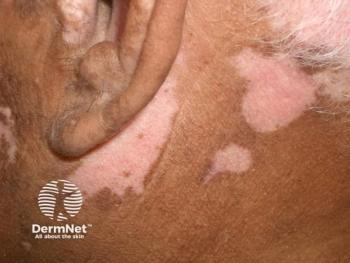
Two phase 3 trials of Pfizer's ritlecitinib met co-primary end points for facial and total repigmentation in nonsegmental vitiligo at week 52, prompting plans for global regulatory filings.

In this Cosmetics Conundrums column, learn why the cosmeceutical vehicle drives 80% of skin care results, shaping feel, film, and active delivery for visible benefits.

RAD 2026 experts unpacked new IL-13, JAK, STAT6 and OX40 options, CHE and pediatric gaps, plus overlooked comorbidities shaping AD care.
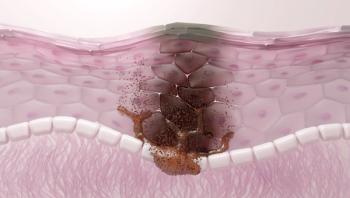
Jane Yoo, MD, MPP, FAAD, shares expert tips to treat melasma in skin of color regarding sunscreen shades, hydroquinone breaks, TXA choices, and safer laser/peel decisions.

Karen McGuire, PhD, CEO and co-founder of BioMendics, discusses why epidermolysis bullosa simplex remains a difficult gene therapy target.

Explore the top headlines of the month, including insights on the latest clinical trials, therapeutic updates, and more.
Aaron Farberg, MD, discusses how Isoclear aims to deliver isotretinoin directly to the skin through a customizable compounded topical system while avoiding the monitoring requirements associated with oral therapy.
San Diego meeting highlights inflammatory dermatoses, skin cancer, alopecia, and emerging therapeutic advances

July's FDA news was quiet, but an infant AD filing, JAK-refractory alopecia data, and a new device clearance hint at what's next.
Catch Up on Coverage From Day 1 of the 3rd Annual Elevate-Derm Summer Conference

Dermatology Times is looking back on the top stories in dermatology from the month of July.

In the latest episode of Don't Be Rash, host Andrew Krakowski, MD, is joined by Raegan D. Hunt, MD, PhD, to discuss newborn skin barrier development, umbilical cord care, and evidence-based product selection.
Find out what skin care products and aesthetic innovations clinicians are recommending to patients for the month of July.
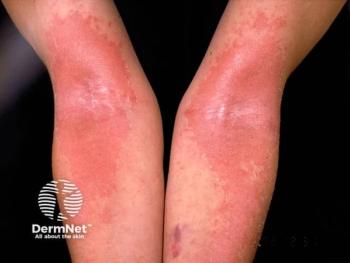
Phase 1 results show Bambusa Therapeutics’ BBT001 quickly reduces atopic dermatitis and itch, sustains type 2 biomarker suppression, and may enable quarterly dosing.

As we wrap up July, explore the new sunscreen ingredient approval, debunk summer skin care myths, and learn how UV damage and therapies are shaping skin cancer prevention today.

Our July issue tackles melanoma surgery challenges, melasma in skin of color, new bemotrizinol sunscreen, atopic dermatitis breakthroughs, and billing insights from Whitney Hovenic, MD, Joseph Gatti, DMSc, Rivkah Epstein, PA-C, and more.

Linda Stein Gold, MD, presents tapinarof cream as a long-term, nonsteroidal option for pediatric atopic dermatitis based on data presented at the 2026 Society for Pediatric Dermatology Annual Meeting.

Catch up on all of our coverage from this year's Society for Pediatric Dermatology annual meeting.
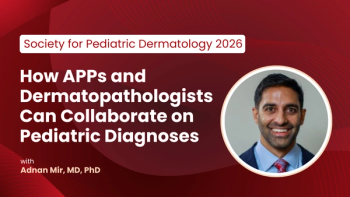
Learn from Adnan Mir, MD, PhD, on how better biopsies and direct lab communication help APPs and dermatopathologists boost pediatric skin diagnoses and outcomes.
Every week, we cut through the noise to bring clinicians the trial results, approvals, and emerging therapies that are actually moving the needle.
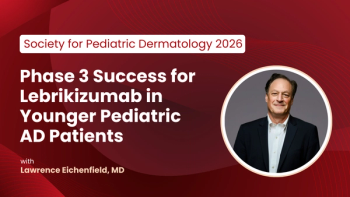
Lawrence Eichenfield, MD, presented phase 3 results showing lebrikizumab boosts skin clearance, eases itch, and looks safe for infants through teens with moderate to severe atopic dermatitis.

A panel at SPD 2026 emphasized how pediatric dermatologists tackle pay gaps using RVU benchmarks, private practice options, and coding tactics to raise reimbursement.

Live from SPD 2026; learn how dermatologists can spot teen body dysmorphia, avoid reassurance traps, and use quick in-clinic tools to trigger early mental health referral.