


Feature|Videos|June 17, 2026
How to Set Up Afamelanotide Treatment for Patients With EPP
Key Takeaways
- Lack of cutaneous lesions shifts diagnosis to careful history-taking by parents, pediatricians, and emergency clinicians, particularly when a child is the first affected family member.
- Ordering errors arise when clinicians default to nonspecific porphyrin panels instead of erythrocyte protoporphyrin fractionation, a specialized test requiring send-out logistics and awareness.
Elizabeth Buzney, MD, provides her advice for practice setup, prior authorization timelines, and patient counseling for afamelanotide treatment in erythropoietic protoporphyria.
Advertisement
Episodes in this series
In this Dermatology Times
Preparing the Practice for Afamelanotide Implants
Buzney said the dermatologist or physician extender administering the implant should be trained in proper insertion technique. Cold storage for the medication is also required, along with a shipping process that allows the medication to be received and stored appropriately. "This requires a good amount of coordination between the EMR that you're using, between your pharmacy, the provider team, and then also the billing team as well," Buzney said.
Navigating Prior Authorization Timelines
The prior authorization process for afamelanotide typically takes 6 to 8 weeks, according to Buzney. She said financial logistics should be resolved for the patient before the first dose is administered. The full care team should also be familiar with the needs and setup specific to patients with EPP, so visits run efficiently. "I always do a consultative visit first, where I talk all about the medication, and I go through all of those practical considerations, including the financial part of it, before we submit the prior authorization," Buzney said.
Counseling Patients Before Treatment
At the consultation visit, Buzney discusses what patients should expect, including the timeline for photoprotection improvement and normal pigmentation changes associated with treatment. She also counsels patients on avoiding excessive UV exposure or tanning behaviors and on timing treatment, such as starting before a high sunlight season like spring for maximal benefit. Buzney noted the implant insertion involves injecting lidocaine with epinephrine for numbing before placing the afamelanotide implant. "That numbing medication is, is, is painful, just as it would be with any lidocaine with epinephrine injection for a biopsy," she said.
Impact on Patient Quality of Life
Buzney described caring for patients with EPP as rewarding, noting many patients experience a profound difference in quality of life once treatment works for them. "It really feels like, again, making a difference in a way that I don't always do for all of my patients," Buzney said. She added patients often feel validated by treatment, having previously lacked a community where others believed and understood the impact of their symptoms.
Advertisement
Related to this article
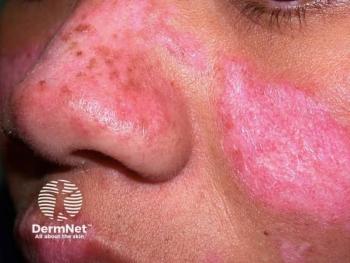
Immunovant will discontinue development of imeroprubart in cutaneous lupus erythematosus after the phase 2b study failed to meet its primary endpoint.
The designation marks the first FDA Fast Track status granted to a therapy for peeling skin syndrome, which currently has no approved treatment.
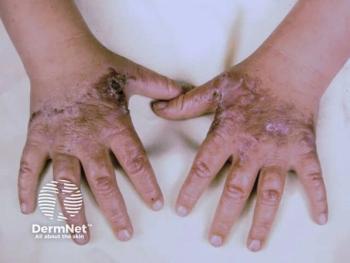
LEO Pharma has closed its acquisition of dersimelagon from Tanabe Pharma after the FDA accepted the drug's NDA for filing and granted Priority Review, with a PDUFA date expected by the end of February 2027.
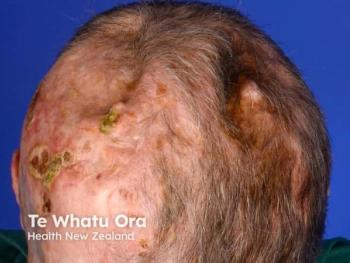
Sol-Gel Technologies has completed patient follow-up in its pivotal phase 3 trial of SGT-610 (patidegib gel, 2%) for Gorlin syndrome, with top-line results expected in late November 2026.

The FDA has set a PDUFA target action date of June 29, 2027, based on APEX trial data showing a 65% overall response rate in advanced systemic mastocytosis.

Victoria Werth, MD, professor of dermatology and rheumatology at the University of Pennsylvania, recently discussed brepocitinib's FDA approval for dermatomyositis and what the VALOR trial data mean for patients and clinicians.
EADV 2026 data highlight dupilumab’s effects on growth, quality of life, disease control, and itch across multiple dermatologic diseases.

The FDA approved therapies for melanoma, dermatomyositis, superficial basal cell carcinoma, and adolescent alopecia areata, while TYK2 inhibitors and rare disease filings advanced toward 2027 decisions.
Advertisement
Advertisement
Trending on Dermatology Times
1
FDA Approves Baricitinib for Adolescents With Severe Alopecia Areata
2
Alopecia Areata Awareness Month: 2026 in Review
3
Tremfya Meets Primary, Major Secondary Endpoints in Phase 4 STAR Study of Axial PsA
4
Social Media Mythbusters: At-Home Dermarollers
5