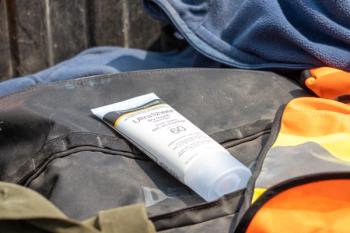
Two new Neutrogena facial sunscreens incorporate bemotrizinol, the first new sunscreen active ingredient added to the US OTC monograph in decades.
A new qualitative study finds that patients with hard-to-heal wounds routinely engage in protective and monitoring behaviors at home without recognizing those efforts as meaningful contributions to their own care.
Patients living with hard-to-heal wounds and their family members routinely engage in protective, monitoring, and self-management behaviors that meaningfully support care—yet frequently fail to recognize those efforts as contributions to wound healing, according to a
The Swedish study, conducted by researchers at Örebro University and collaborators from the University of Galway and Ghent University, interviewed 16 participants—13 patients and 3 family members—receiving wound care across urban and rural primary healthcare (PHC) settings in Örebro County. Wounds ranged in etiology from venous leg ulcers and diabetic foot ulcers to pressure ulcers and trauma-related wounds, with experiences spanning from single episodes to wounds persisting for more than a decade.
Using reflexive thematic analysis, researchers identified one overarching theme—navigating an uncertain path toward healing—and 3 interrelated subthemes describing how patients and family members moved fluidly between different modes of engagement: striving to be an active agent, being part of collaboration efforts, and being a bystander in the search for the right treatment.
Patients described a wide range of home-based behaviors they did not initially frame as wound care: protecting the wound during showers with improvised solutions, adjusting daily activities to reduce pressure, photographing the wound to track changes, and monitoring body temperature for signs of infection. When asked directly whether they did anything to support healing, some responded that they could not think of any personal contributions—despite having just described multiple such behaviors.
"These practices demonstrate that participants engaged in protective and preventive care, sometimes with uncertainty, and that these actions were not always recognized by themselves as care," the authors wrote.
Participants who experienced strong, continuous relationships with health care professionals (HCPs) described wound care as a shared endeavor—with patients managing daily monitoring while clinicians provided clinical oversight. Some developed relationships they described as friendship-like, with appointments becoming something they looked forward to. Continuity was central to this trust; when staffing disruptions occurred or patients had to repeat their history to unfamiliar providers, confidence in the care process eroded.
Family members provided support that was meaningful but often sporadic—helping with compression, inspecting wounds, coordinating transportation, and monitoring for signs of deterioration. In some cases, family recognition of worsening prompted timely escalation that was described as lifesaving. Yet family members frequently struggled to articulate the significance of their role, and lacked clarity about who was responsible for what within the care team.
Being a bystander was not always experienced negatively. For some patients, deferring to HCP expertise during complex trial-and-error phases felt natural and even reassuring. But for others, the bystander role was imposed—by unmanaged pain that limited their ability to process information during appointments, by inconsistent communication, or by feeling that their concerns were not taken seriously. Patients who felt unheard described frustration, reduced agency, and eventual resignation.
Pain emerged as a significant barrier to participation across the study. Opioid-based pain regimens reduced patients' ability to drive and increased dependence on others; undertreated pain limited capacity for daily tasks. Some patients reported taking more medication than prescribed to cope, at times resulting in hospitalization. During dressing changes, pain severe enough to require local anesthesia still left some unable to follow clinical conversations or participate meaningfully in care decisions.
The authors argue that the concept of invisible agency challenges assumptions embedded in how self-management is understood and measured. When care processes, roles, and expectations are not made explicit, patients and family members lack the framework to recognize their own contributions—or to ask for support when they need it. Conversely, when HCPs provided feedback, highlighted progress, and offered clear self-care guidance, patients reported greater confidence and a stronger sense of involvement.
The findings also underscore the need for proactive pain assessment, including anticipatory analgesia planning prior to wound care procedures, and clearer communication when pain constrains patients' capacity for informed consent.2
For family members, the study points to a need for more structured approaches to involvement—including explicit invitations to participate, targeted skills training when appropriate, and clear guidance on when and how to raise concerns. The researchers note that family members' contributions may be overlooked entirely when they are not physically present during health care encounters.
References