


Phase 2 SkinJect data support the 200-µg dose and inform Medicus’ FDA-authorized registrational program in Gorlin syndrome.
Phase 2 SkinJect data support the 200-µg dose and inform Medicus’ FDA-authorized registrational program in Gorlin syndrome.

Victoria Werth, MD, reviews brepocitinib's boxed warning and expanded treatment options for dermatomyositis.
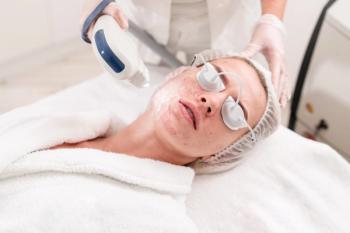
A 3-patient case series explored photothermal biomodulated PRP with laser and LED therapy for acne-related erythema, hyperpigmentation, and scarring.
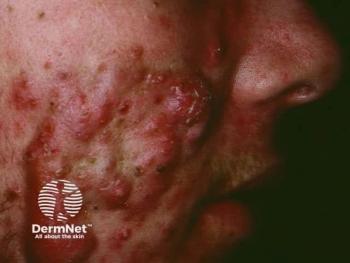
Fractional carbon dioxide laser targets acne conglobata skin bridges and sinus tracts, delivering marked improvement, quick healing, and no recurrence.

Advanced practice providers will gather September 12 for a full-day program covering skin cancer prevention, diagnosis, staging, treatment, and procedural skills.

This review of the latest dermatological studies includes insights on AGA and cardiovascular risk, adverse events associated with cutaneous procedures, narrowband-UVB phototherapy for urticaria pigmentosa, and more.
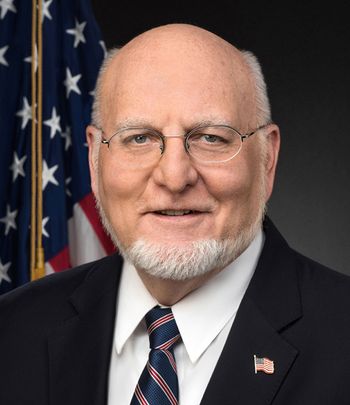
Robert R. Redfield, MD, will help guide development of GX-03 as Turn Therapeutics advances its phase 2 atopic dermatitis program.
Victoria Werth, MD, discusses the FDA approval of brepocitinib for dermatomyositis and its supporting VALOR trial data.

Post hoc RESOLVE analysis shows that patients weighing at least 100 kg experience slower clinical response rates to brodalumab than those under 100 kg, establishing body weight over BMI as a key predictor of treatment timing.

Study tracks teens on isotretinoin, finding stable cognition but modest rises in depression and anxiety symptoms, reinforcing the need for ongoing mental health monitoring.

FDA granted QRX003 RPD designation for PSS, adding to its Netherton syndrome designation as Quoin prepares for a phase 2 study.

Real-world cohort research links psoriasis biologics to notably fewer heart attacks and strokes over 10 years, with benefits across drug classes and races.

Put your dermatology expertise to the test with Dermatology Times’ interactive quiz series.

Are "clean" skin care routines legitimate, or are they just a myth? Read more about the latest social media trend and learn how to counsel your patients in the clinic.

Clinicians can bridge the gap between online trends and evidence-based outcomes by leveraging patient curiosity, emphasizing ingredient transparency, and delivering personalized in-office care.
Joshua Arbesman, MD, explains how tailored sun-safety advice balances melanoma risk, aging goals, and quality of life in all types of patients.

AbbVie completed its $10.9 billion Apogee acquisition, adding IL-13 antibody zumilokibart and other inflammatory disease assets.

Joshua Arbesman, MD, explains how to promote smarter sun habits, educate on melanoma-risk timelines, ease guilt, and answer sunscreen fears fueled by social media.

New CSU treatments like dupilumab, omalizumab and fast-acting remibrutinib, plus biomarker-driven therapies on the horizon, move beyond antihistamines.
This review of the latest dermatological studies includes insights on adalimumab durability in HS, medicolegal issues in hair transplantation, yellow light and vitamin C for melasma, and more.

CSU links to autoimmune disease and mental health burden; learn from Nicholas Brownstone, MD, on key screening tips, symptom clues, and how it differs from inducible hives.

ACP outlines ethical AI in medicine: protect patient trust, fight bias, avoid deskilling, and disclose AI use as dermatology adopts new tools.

Dermatology Times is looking back on the top stories in dermatology from the month of August.

Explore the top headlines of the month, including insights on the latest clinical trials, therapeutic updates, and more.

Explore the top dermatology conferences and meetings happening this month and let us know which ones you'll be attending!

Physicians' Education Resource and Dermatology Times debut a dedicated NP/PA education platform and a new congress series, opening with DermNexus this November in Scottsdale, Arizona.

In this first episode, Joshua Zeichner, MD, shares how to spot early male pattern thinning, why it affects confidence, and which proven treatments beat social media hype.

A twice-rejected melanoma immunotherapy finally won accelerated approval, acne's decades-long innovation drought moved a step closer to ending, and 2 rare, sun-triggered skin diseases picked up a deep-pocketed new sponsor.

Week 52 data show ixekizumab plus tirzepatide sustained or improved disease activity and metabolic outcomes in psoriasis and psoriatic arthritis.

Lisa Swanson, MD, joins Don't Be Rash host Andrew C. Krakowski, MD, for Psoriasis Awareness Month to discuss how pediatric psoriasis is often misdiagnosed and when it signals a heightened risk of psoriatic arthritis in kids.