

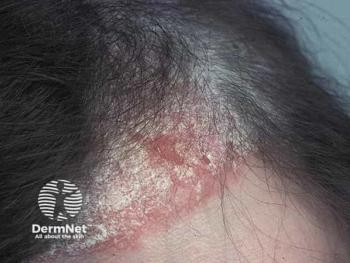
New phase 3 data presented at the AAD Innovation Academy show zasocitinib achieved high rates of clear or almost clear skin at the scalp, palms, soles, and nails at week 16.
New phase 3 data presented at the AAD Innovation Academy show zasocitinib achieved high rates of clear or almost clear skin at the scalp, palms, soles, and nails at week 16.

Anatomy-guided VectorLift thread lift cuts pain and downtime, lowers bruising risk, and delivers comparable facial lifting in real-world patient study.

Konika Patel Schallen, MD, senior vice president and medical director of global clinical operations at Candela Medical, discussed epigenetic changes linked to laser skin resurfacing in a recent Dermatology Times interview.
Christopher Bunick, MD, PhD, discussed the scientific advances still needed before precision medicine can guide individualized therapy selection in atopic dermatitis during a recent Dermatology Times interview.

Kathleen Suozzi, MD, details how she debunks sunscreen myths, explains absorption and SPF, urges year‑round UV habits, and previews new filter bemotrizinol, when counseling her own patients.
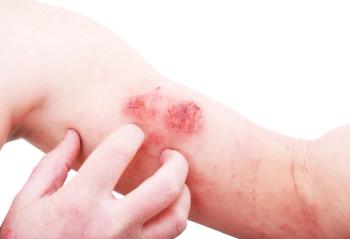
New phase 3 data show oral TYK2 inhibitor soficitinib improves moderate-to-severe atopic dermatitis, easing itch with no new safety signals.

Extended-release oral minoxidil candidate VDPHL01 improved hair counts and patient-reported outcomes in women with pattern hair loss in a phase 2 study.

This review of the latest dermatological studies includes insights on gut dysbiosis in inflammatory conditions, air pollution and vitiligo risk, emollient use in AD patients, and more.
Peter Lio, MD, discussed how stress, sleep disruption, and patient-centered communication can influence pediatric atopic dermatitis management during a recent Skin and Psych podcast interview.

New JCI research identifies succinate/SUCNR1 signaling as a potential mechanistic link between hyperglycemia and worsening vitiligo.

Kathleen Suozzi, MD, explains how UV damage shows up, why actinic keratoses matter, and which field therapies and lasers help cut skin cancer risk.
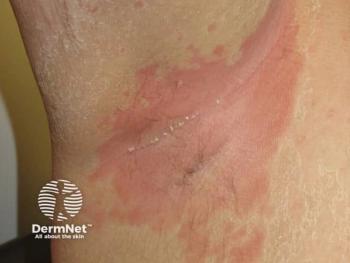
Low vitamin B12 levels link to longer-lasting wheals and heavier symptom burden in chronic spontaneous urticaria, suggesting a simple lab check for stubborn cases.

Clinicians at a Dermatology Times Case-Based Roundtable event worked through 3 vitiligo cases spanning new-onset, widespread, and pediatric disease, weighing treatment sequencing against real-world access barriers.
At a recent Dermatology Times Evolving Paradigms event led by Mark Nestor, MD, PhD, FAAD, dermatologists, Mohs surgeons, and oncologists compared immunotherapy mechanisms and referral thresholds for advanced CSCC.
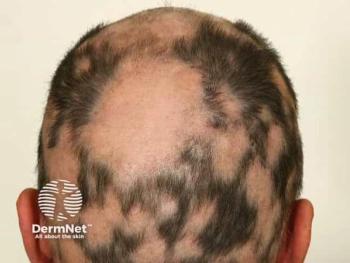
Q32 Bio reported bempikibart reduced SALT scores by 35.3% and produced a SALT-20 response in 40.0% of patients at week 36 in the SIGNAL-AA phase 2a trial.

Black Girl Sunscreen founder Shontay Lundy debunks SPF myths for skin of color, urging education, representation, and teamwork for healthier skin.

Konika Patel Schallen, MD, discussed new findings showing the Nordlys 1940 nm non-ablative fractional laser may reverse epigenetic markers of skin aging in a recent Dermatology Times interview.

Put your dermatology expertise to the test with Dermatology Times’ interactive quiz series.
Roman Bronfenbrener, MD, discussed changing exit strategies, private equity, and why peer support may be one of the most valuable resources for independent dermatologists.

Do topical forms of PDRN actually work or is it just a myth? Read more about the latest social media trend and learn how to counsel your patients in the clinic.

Philip J. Mease, MD, reviews guselkumab's mechanism of action and its expanded FDA-approved indication for psoriatic arthritis joint damage inhibition.

Genetic MR links gut microbiome shifts to eczema, dermatitis, rosacea and more, spotlighting cytokines like IL‑10, IL‑18 and IL‑6 as therapeutic targets.

Bradley Burnam, founder and CEO of Turn Therapeutics, discussed GX-03's encouraging interim safety profile, regulatory strategy, and next steps in clinical development.

Black Girl Sunscreen CEO and founder reveals why daily SPF matters for deeper skin tones, tackling white cast, education gaps, and inclusive sun care testing.
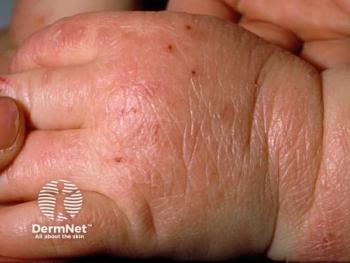
TRAPEDS-1 met its primary pharmacokinetic objective in children aged 6 to 11 years with moderate to severe atopic dermatitis, with no new safety signals over up to 172 weeks of tralokinumab treatment.

A new real-world study found CSU was linked to stress-related disorders, but not a broad increase in new-onset psychiatric disease.

Every week, we cut through the noise to bring clinicians the trial results, approvals, and emerging therapies that are actually moving the needle.

Recapping 5 practice-changing FDA decisions from the first half of 2026, including icotrokinra, expanded pediatric indications, and more!
Christopher Bunick, MD, PhD, shared practical guidance on sun protection, swimming, and preserving the skin barrier in patients with atopic dermatitis.

In this episode, Black Girl Sunscreen CEO Shontay Lundy reveals why skin of color needs photoprotection, better formulas, and stronger clinician-industry collaboration.