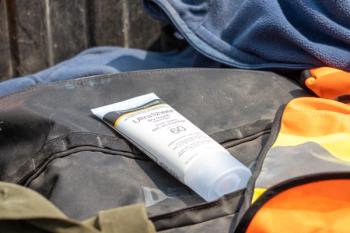
Two new Neutrogena facial sunscreens incorporate bemotrizinol, the first new sunscreen active ingredient added to the US OTC monograph in decades.
Explore the top headlines of the week, including insights on the latest clinical trials, therapeutic updates, and more.
To stay up to date with the latest dermatology news, sign up to receive our
Alys Pharmaceuticals has dosed the first patient in a phase 1/1b study of ALY-301, a first-in-class, mast cell–selective c-Kit inhibitor being developed for cold urticaria, a model for chronic urticaria. ALY-301 is a bispecific antibody designed to selectively deplete mast cells while sparing other c-Kit–expressing cells, potentially enabling safe, long-term treatment of mast cell–driven diseases. The randomized, placebo-controlled trial will evaluate safety, tolerability, and pharmacology in both healthy volunteers and patients refractory to antihistamines, marking a key milestone in Alys’s mission to deliver precision-targeted therapies for chronic urticaria and related immune-dermatology conditions.
InflaRx has reported encouraging topline results from its phase 2a study of INF904, an oral small-molecule C5a receptor antagonist, in patients with hidradenitis suppurativa (HS) and chronic spontaneous urticaria. Across both conditions, INF904 demonstrated early signs of efficacy comparable to established biologics, including reductions in inflammatory lesions, draining tunnels, and disease activity scores, alongside meaningful improvements in patient-reported outcomes such as pain and quality of life. The treatment was well tolerated, with no serious adverse events observed. These preliminary findings support further clinical development of INF904 and highlight the potential of complement pathway inhibition as a new oral therapeutic strategy in chronic inflammatory skin diseases.
In an in-depth conversation with Dermatology Times, InflaRx chief medical officer Camilla Chong, MD, discussed the emerging role of complement C5a receptor inhibition in neutrophil-driven skin disease, highlighting early but compelling signals from the oral C5aR inhibitor INF904 in hidradenitis suppurativa and chronic spontaneous urticaria. Phase 1/2 data showed rapid reductions in HS lesions and pain—with efficacy deepening even after dosing stopped—while CSU findings suggested early onset and possible endotypic responsiveness. Positioned against the limitations of IL-17 and TNF-α blockade, Chong emphasized that an oral, complement-targeted therapy could fill a mechanistic gap in refractory, tunnel-forming disease and ultimately offer patients a biologic-level alternative that expands meaningful treatment choice.
This commentary humorously and insightfully highlights a key but often overlooked aspect of dermatology: patient reassurance, particularly for men concerned about genital skin lesions. Drawing a playful parallel to House’s iconic “It’s not Lupus,” Dobkin emphasizes the importance of demystifying genital lesions, many of which are benign and easily mistaken for genital warts. Pearly penile papules, Tyson’s glands, acrochordons, and angiokeratomas of Fordyce are common examples that frequently cause unnecessary anxiety. The piece underscores the vulnerability it takes for male patients to discuss these issues and the dermatologist’s role in normalizing the exam, providing reassurance, and fostering trust without judgment. Ultimately, it’s a witty reminder that in dermatology, even sensitive areas are just skin, and reassurance can be as therapeutically valuable as any procedure.
A first-in-class oral therapy may soon reshape the acne treatment landscape: denifanstat, a fatty-acid–synthase (FASN) inhibitor that targets sebum production at its metabolic source, delivered robust phase 3 efficacy and a favorable safety profile at the 2025 EADV Congress. By reducing lipid synthesis and downstream inflammation without the dryness or systemic effects associated with traditional agents, denifanstat achieved early and significant improvements across all lesion types and more than doubled IGA success rates versus placebo—all while showing tolerability comparable to control. With experts highlighting its potential to curb dermatology’s long-standing reliance on oral antibiotics and to serve as a versatile new oral option, denifanstat appears poised to usher in a long-awaited new mechanism for moderate to severe acne.