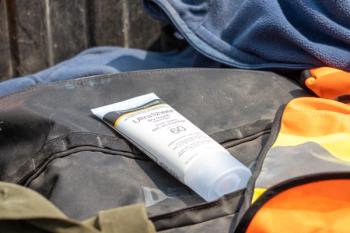
Two new Neutrogena facial sunscreens incorporate bemotrizinol, the first new sunscreen active ingredient added to the US OTC monograph in decades.
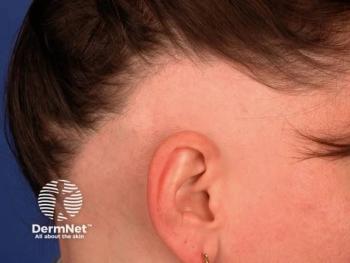
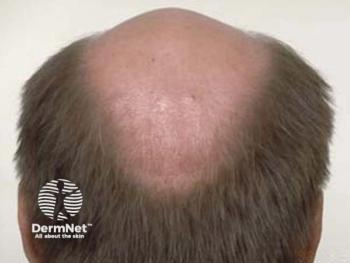
Hair growth, density, and aging patterns differ across populations, influencing the presentation and management of hair disorders like alopecia areata.
Skin and hair are not merely biological features; they are complex markers of human diversity shaped by genetic, environmental, and cultural factors. This diversity presents both diagnostic and therapeutic challenges for dermatologists, particularly when considering populations historically underrepresented in research and clinical training.1 A recent comprehensive review highlights the multifactorial sources of disparities in dermatologic care and explores evidence-based strategies to address these inequities, providing a roadmap toward more inclusive clinical practice.2
Skin Tone Classification and Diagnostic Challenges
Accurate assessment of skin tone is a cornerstone of personalized dermatologic care. Traditional tools, such as the widely used Fitzpatrick Skin Type (FST) scale, rely on self-reported UV sensitivity and do not consistently correlate with constitutive pigmentation or ethnic background. As the authors note, “The widely used Fitzpatrick Skin Type (FST) scale…lacks precision (especially for mid-range skin types) due to its reliance on self-reporting and limited correlation with constitutive pigmentation, ethnicity, or skin biology.” Emerging models, including the Skin Color Ethnicity (SCE) scale and the Eumelanin color scale, incorporate ancestry, melanin levels, and aging, providing more nuanced and clinically relevant metrics. Despite these innovations, the review identifies an “urgent need for inclusive, evidence-based standards in skin classification” to support both research and clinical decision-making.
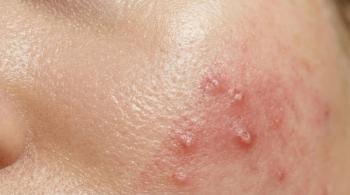
These classification challenges directly impact diagnosis and treatment. Erythema, a hallmark of inflammatory conditions such as rosacea or acne, is often difficult to detect in darker skin, leading to delayed diagnosis and suboptimal treatment outcomes. Similarly, pigmentary disorders like vitiligo or post-inflammatory hyperpigmentation disproportionately affect individuals with darker skin and can have profound psychosocial consequences. The authors emphasize that these disparities are not only medical but societal, stating, “Vitiligo can lead to serious psychological effects…that significantly impact quality of life and may lead to substantial treatment-related expenses.”
Hair Disorders and Population-Specific Considerations
Hair characteristics, including growth rate, diameter, density, and aging patterns, also vary significantly across populations. The review cites data indicating that African hair tends to have slower growth and lower density, while Asian hair exhibits greater thickness and faster growth, and Caucasian hair shows higher total density with thinner shafts. Disorders such as alopecia areata demonstrate population-specific risk profiles, with higher prevalence reported among Asians, African Americans, and Hispanics relative to Caucasians. These observations underscore the importance of tailoring therapeutic strategies to individual patient characteristics.
Educational Gaps and Structural Barriers
A critical barrier to equitable care is the historical underrepresentation of skin of color in dermatology education. The review cites studies showing that only 4.3% to 18.5% of images in general dermatology textbooks depict Fitzpatrick phototypes V–VI, with surgical texts similarly underrepresenting darker skin tones. This gap has tangible clinical consequences; one analysis demonstrated that UK primary care physicians misidentified melanoma in Black skin images up to 62% of the time, compared to just 13% in white skin images. Such disparities highlight the need for updated curricula, inclusive atlases, and patient-centered teaching methods.
Beyond education, systemic and socioeconomic factors further exacerbate disparities. Dermatology deserts—regions lacking sufficient specialists—intersect with financial and logistical barriers to care, disproportionately affecting marginalized populations. The review emphasizes the compounding effect of these barriers, noting that “financial insecurity can also directly exacerbate skin conditions, as psychosocial stress activates neuroendocrine-immune pathways that intensify inflammation.” Teledermatology, mobile health applications, and AI-assisted diagnostics offer potential solutions, particularly when developed with diverse populations in mind.
Research, Genetic Insights, and Personalized Care
The review also underscores the importance of inclusive clinical research. Despite mandates, minority populations remain underrepresented in dermatology trials, limiting the generalizability of findings. Genetic studies reveal meaningful differences in inflammatory profiles and barrier function genes across populations, informing personalized approaches. As the authors highlight, “Recognition of these genetic and environmental factors is key for personalized dermatologic care and tailored treatments.” Collaborative international registries and standardized data collection are emerging as critical tools for addressing these gaps.
Conclusion
This review provides a comprehensive analysis of the persistent disparities in dermatologic care and offers concrete strategies to advance inclusivity. From refining skin classification systems to addressing educational, structural, and research barriers, the field is moving toward a model of personalized, equitable dermatology. As the authors conclude, “By embracing inclusive and evidence-based practice, dermatology can establish models for addressing health disparities broadly, making equitable skin care both necessary and achievable for populations worldwide.” Integrating these insights into clinical practice is essential for improving diagnostic accuracy, therapeutic outcomes, and overall patient satisfaction across the full spectrum of diversity.
References