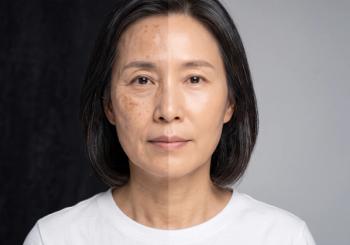
Dermatology’s growing focus on skin longevity demands clear definitions, validated outcomes, and rigorous evidence beyond anti-aging claims.
Experts reveal how neurotoxins enhance mature skin, emphasizing precision and lower doses for natural, youthful results.
Neurotoxins are still one of the most effective ways to look refreshed, but experts agree the technique should evolve as the face matures. Houston dermatologist
Omaha dermatologist
As anatomy shifts, so should technique. Ahead, clinicians break down why less is often more, which areas still give the best results and the mistakes that can work against mature skin.
As the underlying support of the face shifts with age, those deeper changes affect how neurotoxin behaves. Segal says too much toxin in the forehead can quickly create heaviness. “
Delray Beach, FL dermatologist
She also encounters patients who assume toxin has “stopped working” when the real shift is in their facial anatomy. “Sometimes their eyebrows actually go too high, and instead of trying to raise them as most people think of using toxin, we actually want to bring them down to a more proportional look, which makes them look younger and healthier,” she explains. In mature faces, balance—not height—is often what looks most refreshed.
Fort Lauderdale, FL dermatologist
Some of the most impactful improvements, however, happen outside the upper face. Omaha, NE dermatologist Daniel Schlessinger, MD, sees standout results in the neck and jawline—areas that tend to show aging earlier and respond beautifully to strategic dosing. “We have had great results with the platysma band in the neck. Using Botox in this area, especially when it is used along the jawline for the
Overcorrecting is one of the most common mistakes dermatologists see. Segal warns that trying to erase every line “always results in an unnatural appearance,” especially as facial tissues become more delicate with age. Elias agrees and believes overtreatment often ages patients more quickly than the lines they were trying to fix.
Timing matters too. Schlessinger says many patients wait longer than they should. “I think of
[This article was originally posted by our sister publication,