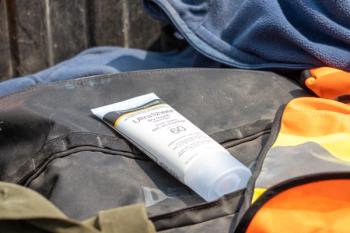
Two new Neutrogena facial sunscreens incorporate bemotrizinol, the first new sunscreen active ingredient added to the US OTC monograph in decades.
The survey revealed significant concerns about topical steroid use in chronic skin diseases, highlighting the need for proactive, long-term treatment strategies.
A nationwide US survey has highlighted persistent concerns surrounding topical steroid use and underscores a substantial unmet need for proactive, long-term treatment strategies among patients with chronic inflammatory skin diseases.1 The findings of “Skin Insights: Steroid Perceptions in Chronic Inflammatory Skin Diseases,” released by Arcutis Biotherapeutics,
The survey included responses from 1000 adults and 500 parents of children diagnosed with one of these conditions, all of whom had been prescribed topical corticosteroids at some point. It was conducted through August and September 2025. The results revealed that despite widespread use of topical steroids as first-line therapy, both adults and caregivers experience frequent disease flares, ongoing emotional distress, and uncertainty about the safety and sustainability of these treatment approaches.
“Psoriasis is a chronic disease that requires lifelong management, and much the same could be said of seborrheic dermatitis and eczema....This persistent emotional strain is part of the hidden burden of chronic skin diseases,” said Leah M. Howard, JD, president and CEO of the National Psoriasis Foundation. “These findings suggest a pivotal opportunity for adults and parents of children with psoriasis and other chronic inflammatory skin diseases to explore safe, effective nonsteroidal treatment alternatives with their health care provider.”1
Nearly three-quarters of adults and 80% of pediatric patients experienced uncontrolled symptoms at least once per month, with some reporting flares as often as daily. Almost 8 in 10 respondents agreed that treatment plans remain largely reactive, focusing on suppressing acute flares rather than preventing them through long-term disease control strategies.
Although topical corticosteroids were the most commonly prescribed therapy—used within the past year by 67% of adults and 57% of children—88% of adults and 91% of parents reported concerns about at least 1 potential adverse effect. The most frequently cited fears included skin thinning (reported by 59% of adults and 55% of parents), hypopigmentation (46% and 51%, respectively), and acne (36% and 35%, respectively). Despite these worries, nearly half of the respondents admitted hesitation in discussing long-term steroid use with their health care providers.
When their condition was not controlled, nearly all adults and children reported significant emotional, mental, and functional challenges. Common experiences included persistent discomfort, frustration, embarrassment, and anxiety, with more than half of respondents feeling uncomfortable in public or social settings. Importantly, 40% of adults and parents sought alternative treatments due to anxiety or depression, and more than one-third pursued other options because of treatment-related adverse events. More than half of pediatric patients avoided school, social interactions, or sports activities during periods of uncontrolled disease.
“For the more than 46 million Americans living with atopic dermatitis, seborrheic dermatitis, and plaque psoriasis, these insights have serious everyday implications. This research confirms and builds on a growing body of data indicating the marked social, mental, and emotional burden experienced by adults and children with skin conditions like eczema and seborrheic dermatitis. The combined effect of missing school, avoiding friends, and missing sports could have long-term social consequences and emphasizes the need for treatment plans that focus on proactive disease management as a long-term solution," said Wendy Smith Begolka, MBS, chief program and mission officer of the National Eczema Association.1
Even when disease appears to be under control, the respondents expressed high mental and emotional burden. Nearly two-thirds of adults and children reported self-consciousness related to residual scarring or excoriations, and more than 50% felt anxious about when the next flare would occur. Only 1 in 5 adults or parents felt completely confident in their ability to maintain disease control using currently prescribed therapies.
“There’s a growing consensus across the dermatology community that long-term use of topical steroids can carry serious local [and] systemic risks, and there is a desire to move away from episodic care toward more proactive disease management,” said Patrick Burnett, MD, PhD, FAAD, chief medical officer at Arcutis. “These survey findings highlight the real-world challenges adults and parents of children with these conditions face in managing chronic skin diseases and reinforce the need for treatment options that go beyond cyclical care and deliver effective, sustained relief—underscoring the urgent need to redefine what standard of care should look like.”1
Reference
1. Nationwide survey underscores concerns with use of topical steroids and need for long-term treatment strategies facing the 46 million Americans with chronic inflammatory skin conditions. News release. Arcutis Biotherapeutics. January 21, 2026. Accessed January 23, 2026.