


Forte Biosciences' FB102 shows significant facial repigmentation in a phase 1b vitiligo trial, with gains continuing 12 weeks post-treatment and mild adverse effects.
Forte Biosciences' FB102 shows significant facial repigmentation in a phase 1b vitiligo trial, with gains continuing 12 weeks post-treatment and mild adverse effects.

Learn the 10 weekly dashboard metrics Kathleen Moe, MD, tracks to spot issues early, boost access, cash flow, and patient experience in her practice.
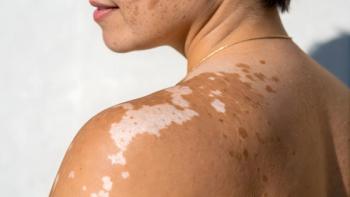
Lynk Pharmaceuticals has dosed the first patient in a phase 2 trial evaluating investigational topical pan-JAK inhibitor LNK01004 for vitiligo.
Bradley Burnam, founder and CEO of Turn Therapeutics, explains the statistical rationale behind GX-03's phase 2 end point strategy and patient stratification.

Philip J. Mease, MD, explains the rationale for early biologic treatment in psoriatic arthritis following guselkumab's FDA label expansion to address structural joint damage.

A JAMA Dermatology study suggests higher cumulative isotretinoin doses, not higher daily doses, may help reduce acne relapse.

Roman Bronfenbrener, MD, discussed how dermatologists are using AI to streamline documentation, summarize patient records, support clinical decision-making, and improve practice operations.
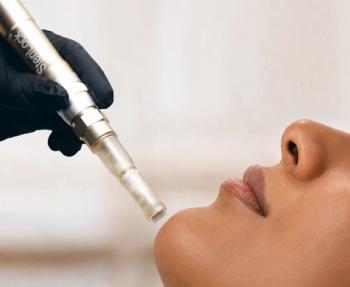
FDA clears SkinStylus microneedling for under-eye wrinkles in all skin types, expanding uses for acne and abdominal scars amid booming aesthetics demand.

The FDA accepted Arcutis' supplemental NDA seeking to expand roflumilast cream 0.05% to infants aged 3 months to younger than 2 years with mild to moderate AD.

This review of the latest dermatological studies includes insights on granulomatous dermatoses during dupilumab therapy, SAAD-41 validation in alopecia, updated vitiligo trends, and more.
Bradley Burnam, founder and CEO of Turn Therapeutics, discussed interim phase 2 trial findings showing GX-03 efficacy across a broader range of EASI severity scores in atopic dermatitis.

A 30-day trial finds multi-step, barrier-friendly skin care routine cuts acne lesions, oil and redness while boosting hydration in acne-prone skin.
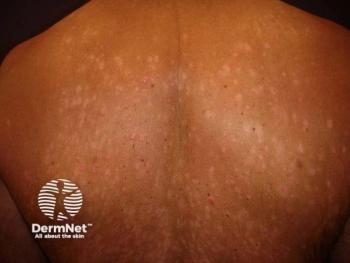
A recent JAAD study identified a dual Th17/Type 2 immune signature in psoriasis that may help explain why biologic responses vary among patients.

Teva Pharmaceuticals will advance TEV-'408 into phase 2b after encouraging phase 1b vitiligo data showed repigmentation, favorable safety, and quarterly dosing potential.
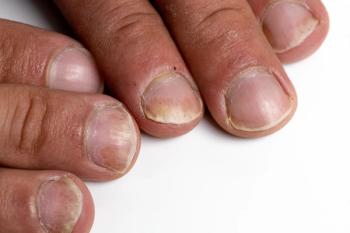
New case-control data link smoking to higher nail psoriasis severity, urging screening and cessation to ease nail symptoms and boost quality of life.
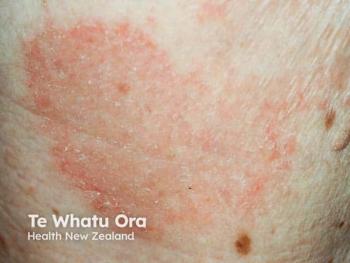
Turn Therapeutics finalized its stage 2 trial design after interim data showed clinically meaningful GX-03 efficacy in patients with baseline EASI scores as low as 1.1.

Philip Mease, MD, reviews the APEX trial data supporting guselkumab's expanded FDA label for inhibition of structural joint damage in psoriatic arthritis.
At a recent Dermatology Times Evolving Paradigms event, Nikhil Khushalani, MD, led dermatologists, Mohs surgeons, and oncologists in comparing systemic immunotherapy selection, referral practices, and adverse event management in advanced cutaneous squamous cell carcinoma.
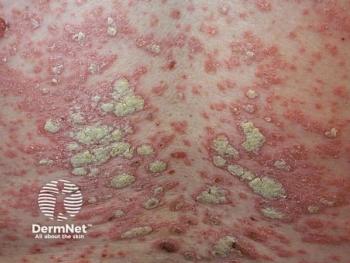
Can-Fite completed interim enrollment for its pivotal phase 3 trial of first-in-class oral A3AR agonist piclidenoson, a potential new mechanism for plaque psoriasis.

LEADderm, led by Jennifer Soung, MD, helps dermatologists build leadership, AI readiness, and purpose-driven careers—leaving attendees energized, connected, and patient-focused.

Linda Stein Gold, MD, discusses zasocitinib's safety and efficacy as an oral treatment for plaque psoriasis.

Roman Bronfenbrener, MD, discusses how AI-generated patient diagnoses are reshaping dermatology visits and creating new challenges.

Kord Honda, MD, provides his first-line and adjunct treatment strategies for acne in recognition of Acne Awareness Month.

Explore top dermatology conferences and meetings in July 2026 and let us know which ones you'll be attending!
Linda Stein Gold, MD, reviews the recent LATITUDE Atlas head-to-head trial results showing zasocitinib's superiority over deucravacitinib for plaque psoriasis.

One-year phase 3 VELA data showed durable clinical responses, quality-of-life improvements, and no new safety signals for investigational sonelokimab in hidradenitis suppurativa.

Explore the top headlines of the month, including insights on the latest clinical trials, therapeutic updates, and more.

Christopher Bunick, MD, PhD, discusses the FDA's expanded approval of roflumilast cream 0.3% for plaque psoriasis in children as young as 2 years of age.
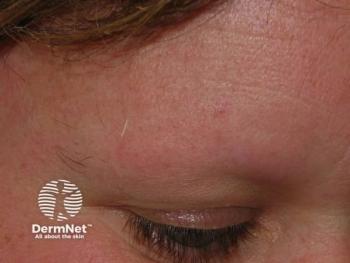
AbbVie's upadacitinib received a positive CHMP opinion for severe alopecia areata as FDA review continues in the US.

Learn more about the in-depth topics covered in the June 2026 print issue of Dermatology Times.