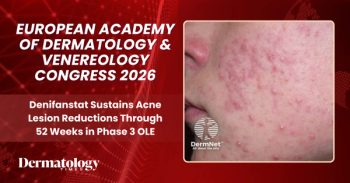
Treatment success reached 56.7% and total lesions fell 71.8% with up to 52 weeks of oral denifanstat, with no adverse event-related discontinuations.
Social media skin care trends drive excess product use, skin barrier damage, delayed dermatologist visits, and worse acne—especially among TikTok and influencer-following users.
The study included 408 patients aged 12 to 45 years presenting to a dermatology outpatient clinic. The mean age was 20.9 years, and 77.5% of participants were female. A dermatologist assessed acne severity, skin barrier damage, and cosmetic use, while patients reported their social media habits, product use, and reasons for delaying medical care. Overall, 28.2% reported purchasing a skin care product after seeing it on social media, and 34.1% said social media recommendations had delayed medical consultation.
Barrier damage was identified in 25.5% of the cohort. Among patients who purchased products through social media, 64.3% had barrier damage compared with 10.2% of those who did not make social media-driven purchases. Barrier damage was also more common as the number of cosmetic products used increased, occurring in 20.4% of patients using 1 to 2 products, 64.0% of those using 3 to 5 products, and 77.8% of those using more than 5 products.
Multivariate analysis identified delayed medical consultation, number of products used, and social media-driven purchasing as independent risk factors for barrier damage. Delayed consultation was associated with more than sixfold higher odds of barrier damage (OR, 6.65), while each increase in product-use category was associated with higher odds of barrier damage (OR, 3.94). Social media-driven purchasing was also independently associated with barrier damage (OR, 3.25).
Delayed care also appeared to be associated with more severe disease. In the severe-acne model, delayed consultation was independently associated with severe acne (OR, 3.03), as was barrier damage (OR, 2.54). Overall, 41.7% of patients who purchased products through social media had severe acne compared with 18.1% of non-purchasers.
Differences also emerged between social media platforms. TikTok users had higher rates of social media-driven product purchasing, delayed medical consultation, and severe acne than Instagram users. Product purchasing occurred in 58.7% of TikTok users versus 40.4% of Instagram users, while delayed consultation occurred in 66.7% versus 49.0%, respectively. TikTok users also had a higher mean acne severity score than Instagram users (2.31 vs. 2.03).
The type of account followed was similarly important. Patients who followed only influencer accounts had substantially higher rates of barrier damage and severe acne than those who followed only dermatologist accounts, despite the 2 groups reporting the same mean number of known dermocosmetic terms. Barrier damage occurred in 53.0% of influencer-only followers versus 8.3% of dermatologist-only followers, while severe acne occurred in 42.6% versus 12.2%, respectively.
The authors noted a paradoxical association between familiarity with dermocosmetic terminology and clinical outcomes. Patients who knew more terms had higher rates of product purchasing, barrier damage, and delayed consultation. However, because of the study's cross-sectional design, the findings demonstrate associations rather than causation.
Overall, dermatologists should consider patients' social media information sources and cosmetic-use patterns when evaluating acne. The authors emphasized the potential value of increasing evidence-based dermatology content on social media, as a substantial proportion of this content is generated by individuals without formal medical training.2
“The protective effect of dermatologist following in our study (OR = 0.28 for barrier damage) and the low rate of severe acne (12.2%) among patients who followed only dermatologist accounts suggest that active participation of dermatology communities on social media may contribute to timely referral of patients to the treatment process and positive shaping of clinical outcomes,” the investigators concluded. “In this context, the development of verified health professional labeling systems and evidence-based content guidelines by dermatology societies may be recommended.”
References
1. Şen O, Avcı A. Association of Social Media-Driven Cosmetic Consumption With Skin Barrier Damage, Delayed Medical Consultation, and Disease Severity in Acne Vulgaris: A Physician-Assessed Cross-Sectional Study. J Cosmet Dermatol. 25, no. 7 (2026): e71020, doi:10.1111/jocd.71020
2. Ward S, Rojek N. Acne Information on Instagram: Quality of Content and the Role of Dermatologists on Social Media. J Drugs Dermatol. 2022;21(3):333-335. doi:10.36849/JDD.6411