Seven presentations will highlight phase 3 maintenance and induction findings, 3-year phase 2 data, and preclinical research evaluating obefazimod in ulcerative colitis.
Day 3 of EADV 2026 featured long-term psoriasis data, advances in hidradenitis suppurativa, evolving approaches to atopic dermatitis, and late-breaking research.
The third day of the 2026 European Academy of Dermatology and Venereology (EADV) Congress in Vienna, Austria, brought another wave of clinical research spanning inflammatory skin diseases, emerging therapeutic targets, and practical challenges in dermatologic care.
Psoriasis took a prominent role in Friday's scientific program, with new data examining long-term disease control and difficult-to-treat areas. Hidradenitis suppurativa (HS), atopic dermatitis (AD), hair disorders, and diagnostic considerations across diverse skin tones were also among the day's areas of focus.
Here are some of the notable developments from Day 3 of EADV 2026.
Late-breaking phase 3 data demonstrated sustained responses with once-daily oral
In the ICONIC-TOTAL trial, rates of clear or almost clear skin increased from 57% at week 16 to 67% at week 24 and 70% at week 112.
At 2 years, 60% of patients with scalp psoriasis achieved complete scalp clearance, while complete clearance was reported in 89% of patients with
Nail disease also continued to improve over time, with mean improvement in modified
No new safety signals were identified through week 112.
The findings provide longer-term evidence supporting sustained oral treatment for patients whose psoriasis affects areas that can carry a substantial functional and psychosocial burden.
Additional phase 3 data presented at EADV examined the efficacy of zasocitinib, an investigational once-daily oral selective TYK2 inhibitor, in moderate to severe plaque psoriasis.
In the LATITUDE Atlas head-to-head trial,
Separation in PASI 100 response between the treatments was observed as early as week 8.
Additional analyses from the LATITUDE PsO-3001 and PsO-3002 trials demonstrated durable responses among patients who initially responded to treatment, with up to 93% of week 24 responders maintaining skin clearance through longer-term follow-up.
Patient-reported outcomes also improved early, including reductions in itch and improvements in dermatology-related quality of life.
Together, the findings add to growing evidence supporting selective TYK2 inhibition as an oral treatment strategy for moderate to severe plaque psoriasis.
New data also provided insight into IL-17A inhibition in patients with HS.
Analyses of the phase 3 program evaluating
At week 12, significantly greater proportions of patients receiving izokibep compared with placebo achieved increasingly stringent International Hidradenitis Suppurativa Severity Score System responses. IHS4-75 was achieved by 32.8% versus 18.6%, IHS4-90 by 23.6% versus 8.1%, and IHS4-100 by 17.5% versus 6.4%, respectively.
Responses were sustained through week 32 among patients initially assigned to izokibep, while patients who crossed over from placebo experienced improvements after beginning active treatment.
The findings underscore growing interest in assessing deeper levels of disease control in HS rather than relying on a single threshold of clinical response.
AD remained a major component of the EADV scientific program on Day 3, with dedicated sessions addressing the disease in both children and adults.
Among the topics discussed was
Although type 2 inflammation is central to AD, growing evidence suggests substantial heterogeneity across patients, with immune profiles influenced by factors including age, ethnicity, IgE status, and age of disease onset.
Understanding these endotypes may become increasingly important as the number of targeted treatments available to clinicians continues to grow and researchers seek more individualized approaches to treatment selection.
Pediatric programming also addressed systemic treatment of congenital eczematous disorders, including rare genetic and immunologic diseases that can present with eczematous lesions.
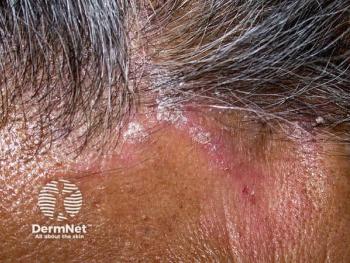
Day 3 also emphasized the importance of recognizing differences in how common dermatologic diseases can present across diverse skin tones.
Clinical programming addressed diagnostic and therapeutic considerations in
In AD, for example, follicular, papular, lichenified, and prurigo-like presentations may be encountered more frequently in patients with skin of color.
The session emphasized the importance of looking beyond erythema alone and recognizing differences in morphology and color that may contribute to delayed or missed diagnoses.
Hair disorders continued to receive attention on Day 3, including discussion of the rapidly expanding use of glucagon-like peptide-1 receptor agonists and their potential implications for hair health.
Programming explored what dermatologists should understand about the
Late-breaking research also examined emerging approaches to hair follicle regulation, including investigation of microRNA-mediated pathways and other potential strategies beyond established treatments.
These discussions reflect a broader theme at EADV 2026: as systemic therapies evolve across medicine, dermatologists are increasingly being asked to recognize and manage their potential effects on the skin, hair, and nails.
Day 3 highlighted both the rapid expansion of targeted dermatologic therapies and a shift toward increasingly ambitious treatment goals.
Long-term clearance in psoriasis, deeper measures of response in HS, greater recognition of AD heterogeneity, and improved diagnosis across skin tones all point toward a more individualized approach to dermatologic care.
As EADV 2026 enters its final day in Vienna, Dermatology Times will continue providing on-site coverage and expert perspectives on the research and clinical developments shaping the future of dermatology.
References