

Christopher Bunick, MD, PhD, reviews data on investigational atopic dermatitis agents presented at EADV 2026 and biomarker findings for upadacitinib.
Christopher Bunick, MD, PhD, reviews data on investigational atopic dermatitis agents presented at EADV 2026 and biomarker findings for upadacitinib.
Prospective data suggest DecisionDx-Melanoma may help refine SLNB decisions and identify recurrence risk beyond conventional staging.
Falk G. Bechara, MD, discusses long-term tunnel control, structural damage, and the evolving role of biologics and surgery in HS care.
Christophe Piketty discusses 3-year ARCADIA data demonstrating sustained efficacy and long-term safety of nemolizumab in atopic dermatitis.

Upadacitinib showed broader inflammatory effects and earlier skin barrier restoration than dupilumab in atopic dermatitis.

A biopsy-based analysis from the JADE MOA trial presented at EADV 2026 found reductions in pathogenic skin-resident memory T cells alongside restoration of epidermal barrier integrity.

New exploratory findings on disease duration and tunnel outcomes offer a starting point for conversations about comprehensive hidradenitis suppurativa care.

From next-generation oral therapies and long-term disease control to precision medicine, EADV 2026 highlighted a dermatology landscape increasingly focused on deeper, durable, and individualized outcomes.

The final day of EADV 2026 explored precision medicine, molecular profiling, atopic dermatitis research, real-world evidence, and emerging approaches to individualized dermatologic care.

New EADV 2026 data highlighted real-world outcomes in adults with chronic hand eczema and improvements in itch, pain, and quality of life among adolescents treated with delgocitinib cream.

Day 3 of EADV 2026 featured long-term psoriasis data, advances in hidradenitis suppurativa, evolving approaches to atopic dermatitis, and late-breaking research.

Seven presentations will highlight phase 3 maintenance and induction findings, 3-year phase 2 data, and preclinical research evaluating obefazimod in ulcerative colitis.
Emma Guttman-Yassky, MD, PhD, explains how biomarkers could match patients with inflammatory skin diseases to the right therapy.
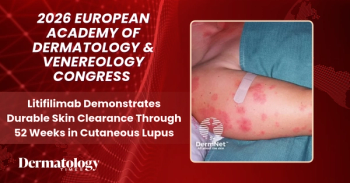
Updated phase 2 results from the AMETHYST study showed continued improvements in skin disease activity through 52 weeks, with more than one-quarter of patients achieving clear or almost clear skin.
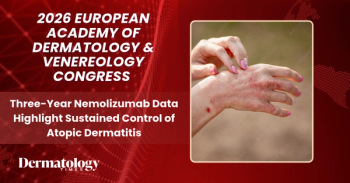
Christophe Piketty, MD, PhD, discussed 3-year findings from the ARCADIA long-term extension study and the implications of targeting IL-31 in atopic dermatitis.
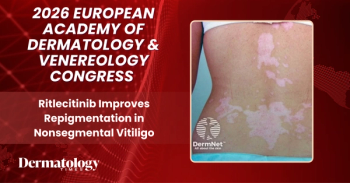
In TRANQUILLO 2, 21.86% of patients taking ritlecitinib 100 mg achieved F-VASI75 at week 52 vs 2.40% with placebo, according to data presented at EADV 2026.
Phase 2b REZOLVE-AA data presented at EADV 2026 showed sustained and deepening hair regrowth following treatment cessation.
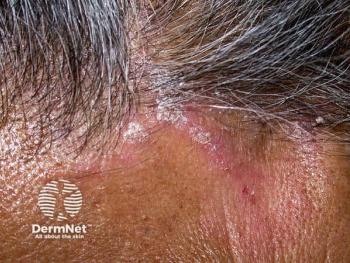
At 2 years, 70% of patients on oral icotrokinra for scalp, genital, or hand/foot psoriasis had clear or almost clear skin, with no new safety signals.

Phase 3 LATITUDE Atlas data presented at EADV 2026 showed higher rates of complete and near-complete skin clearance with zasocitinib compared with deucravacitinib.

Day 2 of EADV 2026 highlighted new findings involving GLP-1–associated nail changes, long-term atopic dermatitis control, emerging therapies, alopecia, and hidradenitis suppurativa.
Phase 2b SPOTLIGHT-204 results presented at EADV 2026 showed complete clinical and pathological responses in more than half of patients with high-risk head and neck basal cell carcinoma.
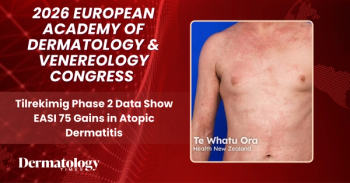
According to data presented at EADV, at week 16 of the phase 2 study, 47.8% to 62.5% of adults receiving tilrekimig achieved EASI 75 across doses, compared with 9.1% to 19.9% with placebo.

AbbVie reports F-VASI 75 of 55.1% in Viti-Up-1 and 47.4% in Viti-Up-2 at week 76 among patients continuing upadacitinib, with numerically higher responses alongside NB-UVB.

Real-world EADV 2026 data suggest autonomous AI could increase dermatology capacity while maintaining high sensitivity for invasive skin cancers.
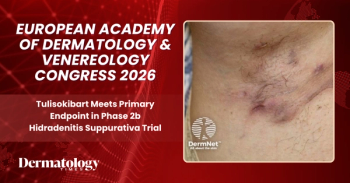
Up to 72% of tulisokibart-treated patients achieved HiSCR50 at week 16 vs 35% with placebo, the first positive phase 2 anti-TL1A data in dermatology.
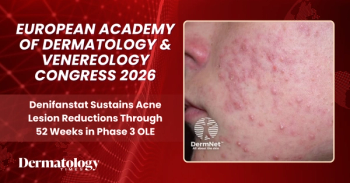
Treatment success reached 56.7% and total lesions fell 71.8% with up to 52 weeks of oral denifanstat, with no adverse event-related discontinuations.
New phase 2 data presented at EADV 2026 demonstrated significant improvements in disease activity with daxdilimab, with responses emerging as early as week 4.
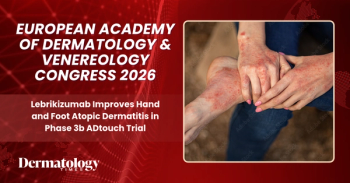
Late-breaking EADV 2026 data showed significant improvements in skin clearance, itch, pain, and patient satisfaction among patients treated with lebrikizumab.

Day 1 of EADV 2026 brought new data across atopic dermatitis, cutaneous lupus, skin cancer, AI, climate-related skin disease, and more.
Up to 91% of patients reached EASI-75 and up to 67% reached IGA 0/1 at week 152, with no new safety signals, according to Galderma's EADV 2026 data.