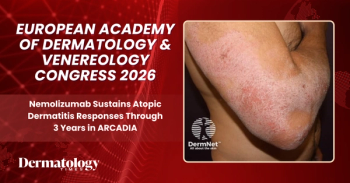
Up to 91% of patients reached EASI-75 and up to 67% reached IGA 0/1 at week 152, with no new safety signals, according to Galderma's EADV 2026 data.
Two studies presented at EADV 2026 highlight misinformation and dermatologic complications linked to viral skincare routines on social media.
Viral Korean skincare and “glass skin” routines may be reaching millions of users on social media, but new research suggests the information accompanying these trends frequently lacks dermatologic accuracy and basic safety guidance.
In a study presented at the European Academy of Dermatology and Venereology (
Together, the findings highlight potential consequences of translating popular skincare concepts into complex, one-size-fits-all routines without individualized guidance.
Researchers evaluated popular Korean skincare and glass skin content on TikTok in May 2026. Using a neutral account without prior engagement history to minimize algorithmic bias, investigators screened top-performing videos across 5 Korean skincare-related search terms.
After exclusions, 38 videos were evaluated for dermatologic claims, safety information, quality, and reliability using the Global Quality Scale and modified DISCERN.
Among the videos analyzed, 94.7% contained at least 1 potentially misleading claim. Additionally, 84% did not account for differences in skin type, 45% promoted excessive combinations of active ingredients without appropriate safety guidance, and 32% promised immediate results.
Basic safety information was particularly uncommon. Only 1 of the 38 videos mentioned the risk of irritation, 2 addressed sun protection, and none discussed contact dermatitis risk or recommended consultation with a dermatologist.
“What surprised us most was how consistently basic safety information was absent,” lead author Maria Lúcia Paysano, MD, said in a statement.
All of the videos were classified as unreliable or less reliable, and none cited an external source or reference. Approximately 82% were created by
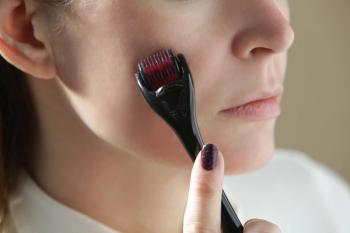
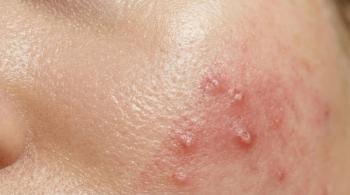
Paysano noted that following such routines without individualized guidance could contribute to irritation, over-exfoliation, acne flares, or disruption of the skin barrier, particularly when several active ingredients are used simultaneously.
A separate observational study presented at EADV 2026 evaluated 94 patients who developed a new or worsening skin condition after using cosmetic or dermatologic products promoted on social media.
Chemical exfoliants containing alpha-hydroxy acids or beta-hydroxy acids were the most frequently implicated products, reported in 34% of cases. These were followed by
Nearly half of patients (48%) had adopted complete skincare routines inspired directly by social media, while 63% were simultaneously using more than 3 active skincare ingredients.
The most frequently reported complication was
“What was particularly striking was not simply the popularity of these products, but the way they were being used,” lead author Ouissal Hormi, MD, said. “Many patients were reproducing complex skincare routines involving several active ingredients simultaneously, often based on advice from non-medical influencers.”
Importantly, investigators emphasized that the findings should not be interpreted as evidence that Korean skincare itself is harmful.
Instead, the concern centers on how principles such as gentle cleansing, hydration, and
The findings also point to an opportunity for dermatologists to engage more directly with patients about viral skincare trends rather than dismissing them outright.
“Dermatologists also have an important role to play,” Paysano said. “Rather than dismissing social media trends, we have the opportunity to participate in these conversations and make evidence-based skincare information accurate, accessible and engaging.”
References