Alexandra Charrow, MD, discussed biologic selection, deroofing, and emerging procedural approaches to hidradenitis suppurativa at Maui Derm NP+PA Fall 2026.
Dermatology Times previews the research, clinical updates, late-breaking data, and therapeutic advances to watch at EADV 2026 in Vienna.
The 35th European Academy of Dermatology and Venereology (
With more than 170 scientific sessions planned, the 2026 program combines late-breaking research and clinical updates with educational sessions, controversies, subspecialty programming, and hands-on workshops. The meeting will also be available virtually, with scientific sessions livestreamed and subsequently available on demand.
As Dermatology Times prepares to cover the meeting from Vienna, here are several themes and sessions to watch at EADV 2026.
Some of the most anticipated research of the meeting will be
This year's Late Breaking News sessions are scheduled for Friday, October 2, and will offer a closer look at emerging findings with the potential to influence future dermatologic research and clinical practice.
Full content from accepted abstracts, including
Atopic dermatitis (AD) will once again have a substantial presence at EADV, reflecting the
Dedicated sessions on pediatric and adult AD are scheduled for October 2, while additional programming throughout the congress will address new and established targeted treatments. The scientific program also includes a specific “Focus on” track examining
Beyond efficacy, emerging research is expected to continue expanding the conversation around treatment selection, long-term outcomes, comorbidities, and quality of life.
One of the broader themes emerging from this year's program is the movement toward increasingly
The opening plenary program will include a presentation examining biomarkers with the potential to change clinical practice, particularly as researchers continue to characterize inflammatory skin diseases at a molecular level.
Later in the meeting, a plenary lecture on personalized treatment for skin immune-mediated inflammatory diseases will explore the potential for molecular disease profiles to guide treatment selection. As the number of biologics and small-molecule therapies continues to grow, these discussions may provide a glimpse into how clinicians could eventually move beyond traditional trial-and-error approaches to treatment selection.
Hair disorders will also receive dedicated attention throughout the meeting.
Sessions will explore both cicatricial and noncicatricial alopecias, with programming addressing advances in diagnosis, pathogenesis, and management. Topics include
For clinicians treating patients with alopecia, these sessions may offer practical insights into translating recent research developments into everyday practice.
Cutaneous oncology will be another major component of EADV 2026. Programming will span melanoma and nonmelanoma skin cancers, dermoscopy, Mohs surgery, cutaneous lymphoma,
A plenary lecture on the tumor microenvironment in skin cancer will examine how immune cells, fibroblasts, the extracellular matrix, microbiome, and other components interact with malignant cells and potentially influence tumor development and therapeutic response.
Additional sessions will address dermoscopy and advances in the diagnosis and management of skin malignancies.
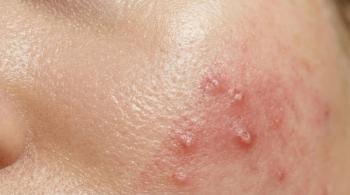
Clinical recognition and treatment of dermatologic disease in patients with skin of color will also be highlighted.
A session selected among the EADV president's dermatology hot topics will examine
The session is expected to emphasize pattern recognition beyond erythema and highlight clinical presentations that may contribute to delayed or missed diagnoses.
Although new clinical trial data often generate the biggest headlines at major congresses, EADV 2026 will also emphasize translating evidence into everyday dermatologic practice.
The scientific program includes educational sessions, practical diagnostic and therapeutic algorithms, subspecialty programming, and hands-on workshops covering topics ranging from
Together, these sessions provide clinicians with opportunities to pair emerging scientific developments with practical skills that can be implemented in patient care.
From new therapeutic data and late-breaking trials to evolving approaches to precision medicine, inflammatory disease, alopecia, and
Dermatology Times will be on site in Vienna throughout the congress, bringing readers breaking research, expert interviews, clinical perspectives, and coverage of the findings most relevant to dermatology practice.
Stay tuned to Dermatology Times for continued coverage from EADV 2026.
References