Maui Derm NP+PA Fall 2026 brought APPs together for updates spanning inflammatory disease, oncology, emerging therapies, and diagnostic challenges.
James Canner, PA-C, outlines key updates in acne therapeutics, alopecia management, and rheumatology–dermatology collaboration presented at Elevate-Derm Fall.
“The conversations that we have with our colleagues outside of the formal meetings have been just as valuable as the in-person, formal ones to hear how people practice and what they're doing off label,” said James Canner, PA-C, in an interview at the
Canner, a physician assistant at Schweiger Dermatology Group in Murray Hill and Soho in New York, attended the Elevate-Derm conference and shared his top takeaways from sessions, as well as discussed the value of a meeting that emphasizes collaboration among MDs, PAs, and NPs. Canner also recently attended
Canner discussed several exciting clinical themes during his first time attending the Elevate-Derm Fall Conference, emphasizing how peer-to-peer conversations continue to shape practical decision-making in dermatologic care. He noted that the informal exchanges with colleagues often proved as valuable as the formal sessions, particularly around off-label strategies, real-world therapeutic sequencing, and communication approaches used across diverse practices.
Acne is a main focus among Canner’s patients, and he highlighted sessions led by Hillary Baldwin, MD, as particularly impactful. He pointed to emerging acne therapies currently in development as a meaningful step forward for patients with refractory disease or sensitivity to conventional treatments. The session highlighted shifts toward mechanism-specific interventions and a more complex approach to long-term disease control.
Canner also emphasized the relevance of rheumatology content presented by Julio A. Gonzalez-Paoli, MD. Given the high frequency of inflammatory skin diseases with systemic overlap, he found direct insights from rheumatology helpful for refining referral patterns, anticipating comorbidity burdens, and coordinating care for patients whose cutaneous findings may signal multisystem involvement. He noted that improved interdisciplinary communication can streamline diagnostic clarity and enhance the timing of targeted therapies.
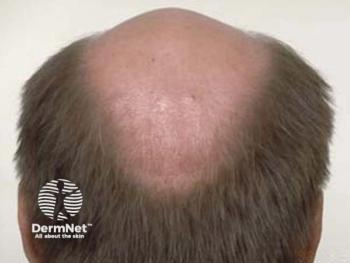
Hair loss management formed another core theme of his conference takeaways. Canner cited lectures from Crystal Aguh, MD, as providing valuable updates on the diagnostic reasoning and therapeutic frameworks used in alopecia. Because hair loss represents a substantial portion of his practice, he emphasized the importance of structured counseling, expectation management, and a comprehensive review of evolving treatment options. He discussed how patients with alopecia often feel overlooked within the health care system and stressed the need for clinicians to approach these encounters with sensitivity and clarity.
Finally, Canner reflected on his attendance at the Dermatology Times Horizons in Advanced Practice meeting and the broader value of medical affairs engagement. Industry-based scientific liaisons and clinical educators, he noted, have contributed significantly to his post-training learning. He voiced strong support for increased participation of physician assistants and nurse practitioners in the pharmaceutical and MSL landscape, citing the alignment between frontline clinical insight and industry-driven educational initiatives.