


Though convenient, SPF-infused cosmetics rarely deliver their labeled protection level in real-world use, underscoring the continued need for a dedicated broad-spectrum sunscreen as the foundation of any routine.
Though convenient, SPF-infused cosmetics rarely deliver their labeled protection level in real-world use, underscoring the continued need for a dedicated broad-spectrum sunscreen as the foundation of any routine.

This review of the latest dermatological studies includes insights on stem cell therapies for skin rejuvenation, smoke exposure in HS, hair loss in pediatric IBD, and more.

Genetic study links higher BMI to looking older, but causality stays unclear; Mendelian randomization flags shared signals and candidate genes needing validation.

An HS toolbox with wound care, symptom relief, and personal care supplies can help patients stay prepared for unexpected flares.
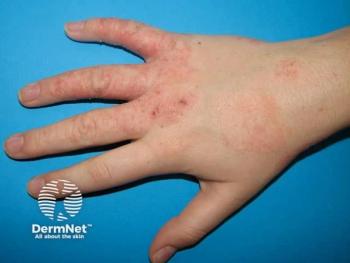
Dermatitis-related adverse events vary widely across atopic dermatitis systemic trials, driven by disease fluctuation and reporting differences, informing patient counseling and flare definitions.

The FDA has set a PDUFA target action date of June 29, 2027, based on APEX trial data showing a 65% overall response rate in advanced systemic mastocytosis.

Victoria Werth, MD, professor of dermatology and rheumatology at the University of Pennsylvania, recently discussed brepocitinib's FDA approval for dermatomyositis and what the VALOR trial data mean for patients and clinicians.

The inaugural workshop explored skin cancer care from prevention and diagnosis through systemic therapy, radiation, and multidisciplinary management.

New review explores why eczema and ADHD often overlap in youth, highlighting sleep loss, itch-driven inflammation, plus screening and treatment tips.

Put your dermatology expertise to the test with Dermatology Times’ interactive quiz series.
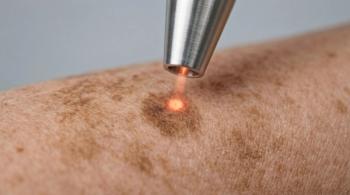
The expanded indication makes Ameluz with RhodoLED the first FDA-approved photodynamic therapy for the treatment of a skin cancer.
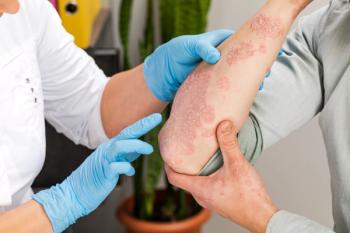
Takeda’s investigational oral TYK2 inhibitor is supported by phase 3 LATITUDE data demonstrating significant skin clearance versus placebo and apremilast.
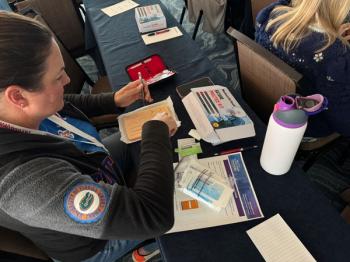
The final session of the Cutaneous Oncology Workshop explored advances in systemic therapy, management of immunotherapy-related skin reactions, and the role of radiation.
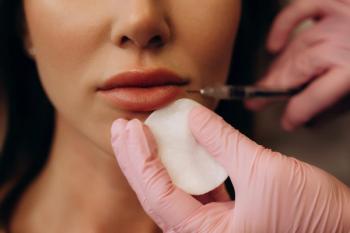
Merz Aesthetics adds two FDA-approved Belotero HA fillers for midface volume and lip fullness, promising natural movement and long-lasting results.
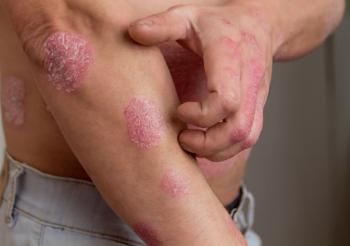
In a 52-week open-label trial, tildrakizumab-asmn (Ilumya) reduced a mortality-linked DNA methylation clock by up to 0.5 years while clearing psoriasis symptoms.
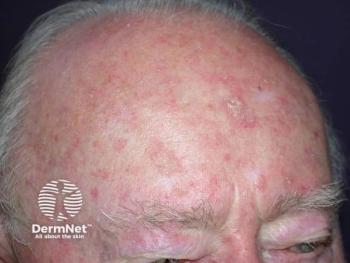
At the Dermatology Times NP/PA Cutaneous Oncology Workshop in Tampa, Florida, Amit Om, MD, outlined why field-directed therapy is increasingly favored over lesion-directed treatment for actinic keratosis.
At the Dermatology Times NP/PA Connect Cutaneous Oncology Workshop in Tampa, Florida, Angad Chadha, MD, discussed his upcoming presentations on gene expression profiling and cutaneous side effects of immunotherapy.

Attendees put technique into practice during an interactive suturing session led by Tristan Hasbargen, PA-C, using individual kits and real-world clinical examples.
At the Cutaneous Oncology Workshop, faculty explored lesion recognition, surgical decision-making, risk stratification, and the evolving role of molecular testing.

Faculty at the Dermatology Times Cutaneous Oncology Workshop addressed real-world questions on mole mapping, biopsy decisions, oral photoprotection, and actinic keratosis treatment.
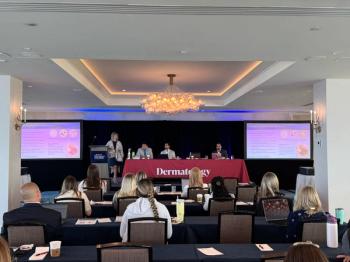
In the morning session, Experts highlighted evolving photoprotection strategies, field-directed treatment of actinic keratoses, hereditary cancer risk, and practical dermoscopy pearls for APPs.
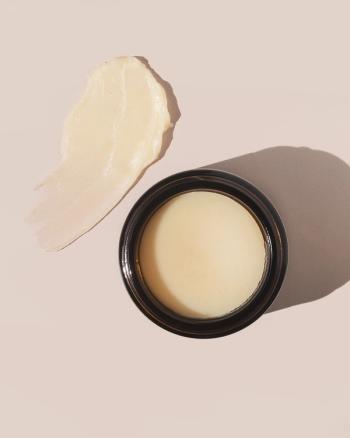
Are beef tallow balms beneficial for the skin or are they just a myth? Read more about the latest social media trend and learn how to counsel your patients in the clinic.
As chair of the new Dermatology Times NP/PA Connect Cutaneous Oncology Workshop, Tristan Hasbargen, PA-C, discusses the program's curriculum and goals live in Tampa, Florida.

Dermatology Times kicks off its first Cutaneous Oncology Workshop, bringing APPs and experts together for practical skin cancer education.

New hair-loss therapies aim to block DHT at follicles, using targeted scalp delivery to reduce systemic side effects and improve male pattern baldness outcomes.

Isotretinoin Effect on Adult Height in Danish Cohort Study

Twenty-five years after September 11, Dermatology Times reflects on the burn injuries, skin conditions, and clinicians who cared for survivors.
FDA review of BOTOX Cosmetic for masseter prominence signals on-label jawline contouring, trial-backed results, clearer dosing guidance, and safer patient counseling.
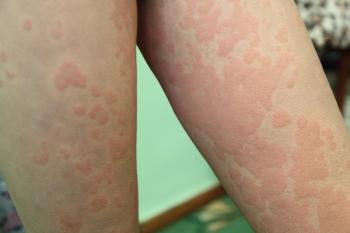
Dietary modification may improve disease activity and quality of life in some patients with chronic idiopathic urticaria.
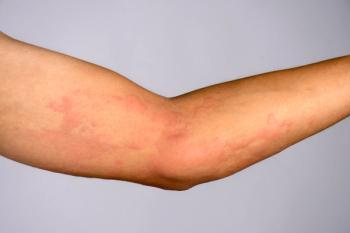
Genetic analysis finds smoking unlikely to cause urticaria, suggesting past links reflect confounding. Find out what this means for triggers and patient care.