Though convenient, SPF-infused cosmetics rarely deliver their labeled protection level in real-world use, underscoring the continued need for a dedicated broad-spectrum sunscreen as the foundation of any routine.
In this Cosmetics Conundrums column, learn why the cosmeceutical vehicle drives 80% of skin care results, shaping feel, film, and active delivery for visible benefits.
There is a great deal of discussion in dermatology regarding the vehicle in which the cosmetic active ingredient or drug is placed. Why all the fuss? Well, for topical drug delivery, the heart and soul of dermatologic therapy, the vehicle must deliver the drug to the desired skin target at therapeutic levels for the duration required to achieve the efficacy end point. In topical drug delivery, the efficacy end points are black-and-white, as specified by the FDA. The drug must improve the skin condition in a specified period as rated by the dermatologist and must be superior to vehicle alone. This is not the case in cosmeceutical formulations. Here the vehicle is approximately 80% of the perceived skin benefit, with the remaining 20% attributable to active over-the-counter cosmetic ingredients. This is why vehicle-controlled studies are not the norm in cosmetic research. This article discusses the unique attributes of cosmeceutical vehicles.
Vehicle design for cosmetic active ingredients is truly an art and a science. The molecular movement of the cosmetic ingredient from the vehicle cannot be totally mathematically predicted and can only be partially modeled. This is why cosmeceutical formulation is not as simple as taking a bottle of lotion off the shelf; adding a cosmeceutical active ingredient, such as niacinamide; and claiming that the niacinamide will have antiaging effects. It is quite possible that the niacinamide is bound to the vehicle on the skin surface, with little benefit.
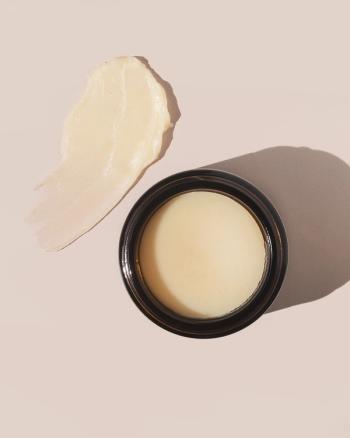
Another important role for the cosmeceutical vehicle is to enable the ingredients to spread over the skin surface, creating a continuous film. Lotions are the most common vehicles used in cosmeceuticals and formulated as oil-in-water emulsions with a 10% to 35% oil phase. The water swells the stratum corneum, allowing enhanced delivery of the active ingredients, which is necessary for active cosmetics. Other factors influencing active cosmetic ingredient delivery include pH, solubility characteristics, state of skin hydration, intactness of the skin barrier, duration of contact, location, and occlusion. Vigorous rubbing of the vehicle over the skin will increase friction and also enhance delivery. Finally, a thin film will deliver better than a thick film because the distance the active ingredient must travel to the skin surface is decreased.
One of the most effective vehicles is petrolatum. It is highly occlusive and enhances active uptake but is not aesthetically pleasing. It is also very viscous, and viscous vehicles tend to release the active ingredient slowly, possibly delaying delivery. Sometimes the vehicle enhances penetration by damaging the stratum corneum with substances such as lactic acid, urea, salicylic acid, oleic acid, etc. This allows a lower concentration of the active ingredient to have a more profound effect rather than including a higher concentration of an expensive ingredient. These are some of the finer points to consider in vehicle construction.
Why is the vehicle effect so profound in cosmeceuticals? Patients want to feel and see the effect of a cosmeceutical immediately. This is achieved by formulating a water-based emulsion that dries quickly, leaving a film that decreases friction when the finger is rubbed over the skin. This creates the illusion of softness, which will remain until the product is washed from the skin. The hope is that the film will create an optimal environment for barrier repair and that skin softness will be an indication of healthy skin with more effective durability. The emulsion may also smooth down desquamating skin scales and contain tiny light-reflective particles that increase light reflection from the skin surface, creating the appearance of skin smoothness and radiance. These are the short-term benefits of the cosmeceutical that are totally aesthetic in nature, but research has shown they are necessary qualities of a successful product. This is how the 80% vehicle effect is achieved. It may take weeks to months for the active ingredient to demonstrate benefit, if at all.
In cosmeceuticals, the vehicle is the active ingredient and the entire formulation delivers the end benefit perceived by the patient. You cannot develop a cosmeceutical without a vehicle. This is why vehicle-controlled studies, which are the basis for topical drug development, do not always provide insight into the cosmeceutical realm.
Zoe Diana Draelos, MD, is a clinical faculty member in the Department of Dermatology at Duke University School of Medicine in Durham, North Carolina; president of Dermatology Consulting Services in High Point, North Carolina; and Dermatology Times’ editor in chief emeritus.
about 2 months ago
Dermatology Times July 2026 Print Recapabout 2 months ago
Wound Care Belongs at the Heart of Dermatologyabout 2 months ago
Evidence-Based Best Practices for Melasma Careabout 2 months ago
Diving Into UV Safety Month Considerations4 months ago
Diagnosing Without a Safety Net