This review of the latest dermatological studies includes insights on
Every week, we cut through the noise to bring clinicians the trial results, approvals, and emerging therapies that are actually moving the needle.
You’re busy. Between patients, prior authorizations, inbox messages, and everything else on your plate, keeping up with the literature is the first thing that slips.
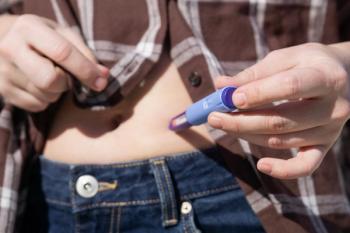
The FDA has approved an every-8-week maintenance dosing regimen for lebrikizumab (Ebglyss; Eli Lilly) in adults and adolescents 12 and older with moderate to severe atopic dermatitis, adding a new option to a label that previously offered monthly maintenance dosing only. Eligible patients who achieve adequate response during induction can now maintain disease control with as few as 6 injections per year.1
The approval was supported by longitudinal exposure-response modeling and clinical data from the every-8-week extension of the
The approved dosing sequence: 500 mg loading dose (2 250 mg injections) at weeks 0 and 2, then 250 mg every 2 weeks through week 16 or until adequate response, followed by maintenance at either every-4-week or every-8-week intervals.
“Every 8 weeks maintenance dosing for lebrikizumab is a significant differentiator among IL-13 and IL-4R targeted biologics and must be considered in shared clinical decision making.”— Christopher G. Bunick, MD, PhD, Yale School of Medicine / Editor in Chief, Dermatology Times
▶ Why it matters: When a patient’s skin is clear and itch is controlled, 6 injections a year versus 12 is a real quality-of-life difference. This approval gives you a concrete option to offer when patients ask about reducing their treatment burden.
Zasocitinib (TAK-279; Takeda) achieved statistically significant superiority over deucravacitinib across all primary and key secondary endpoints in the LATITUDE Atlas phase 3 head-to-head trial, with more than 35% of zasocitinib-treated patients reaching complete skin clearance (PASI 100) at week 16 compared with approximately 14% on deucravacitinib — a more than 2.5-fold difference.2
PASI 90 and sPGA 0 at week 16 also favored zasocitinib with statistical significance, and separation between treatment arms emerged as early as week 8. The broader
Zasocitinib achieves more than 1-million-fold selectivity for TYK2 over other JAK family members, targeting the IL-23/IL-17 axis and type I interferon signaling while sparing the broader biological processes — including lipid metabolism and hematopoiesis — regulated by JAK1, JAK2, and JAK3. Safety was consistent with the TYK2 class: no new signals, no cardiovascular events, no tuberculosis reactivation. Takeda is on track to submit an NDA within this fiscal year.
“Our goal in psoriasis treatment is clear or almost clear skin, and previously this has been achieved primarily with injectable therapies. These findings show it’s possible for a once-daily pill to deliver rapid, lasting skin clearance.”— Melinda Gooderham, MD, commenting on the LATITUDE data
▶ Why it matters: Deucravacitinib has been the only approved oral TYK2 inhibitor in psoriasis. Zasocitinib is now headed toward NDA submission with head-to-head superiority data against it. When this drug reaches your patients, the oral psoriasis conversation will have a meaningfully higher efficacy ceiling to offer.
The
Bemotrizinol provides broad-spectrum UV-A and UV-B protection, has low skin absorption, and rarely causes skin irritation, based on FDA’s review of available data. The ingredient has been used in European and other international sunscreen formulations for years before this US action. For patients — and NPs and PAs who counsel them — its significance is largely cosmetic: bemotrizinol allows for more aesthetically elegant formulations that are easier to apply and less likely to leave a white cast, which is one of the most commonly cited barriers to consistent sunscreen use.
“This approval gives experts in formulation elevated ingredients to work with. At the end of the day, the best sunscreen is the one you will use, and the approval of this filter makes the options that much better for our patients.”— Kavita Mariwalla, MD, FAAD, American Society for Dermatologic Surgery
▶ Why it matters: Adherence is the whole game in photoprotection. When patients ask why European sunscreens feel better, you now have a specific answer — and a regulatory development that means US-formulated products are about to improve.
Health Canada has accepted a New Drug Submission for birch triterpenes topical gel (Filsuvez; Chiesi Global Rare Diseases) for priority review, proposing its use in the treatment of wounds associated with dystrophic and junctional epidermolysis bullosa in patients 6 months and older. Priority review in Canada is granted to therapies for serious or life-threatening conditions with limited or no comparable treatment options; the accelerated review timeline is approximately 180 days.
The submission is supported by data from EASE, the pivotal phase 3 trial published in the British Journal of Dermatology, along with a 24-month open-label follow-up. Birch triterpenes topical gel has already received FDA approval (2023) and European Commission approval (2022) for wounds associated with dystrophic and junctional EB, and was most recently registered in Australia in May 2026.1 Canadian regulatory clearance would extend access to a patient population managing one of dermatology’s most burdensome rare conditions — characterized by extreme skin fragility, chronic wounds, elevated squamous cell carcinoma risk, and multisystem complications.
▶ Why it matters: For APPs in centers with EB programs or rare genodermatosis referrals, this regulatory milestone means Canadian patients are moving toward the same approved option available in the US and Europe. The global regulatory convergence for this drug is worth noting.
References