The designation marks the first FDA Fast Track status granted to a therapy for peeling skin syndrome, which currently has no approved treatment.
The priority review pathway cuts the standard 300-day Canadian review timeline to approximately 180 days, reflecting Health Canada's assessment of serious unmet need in the EB population.
Health Canada has accepted a New Drug Submission (NDS) for birch triterpenes topical gel for priority review, Chiesi Global Rare Diseases announced. The submission proposes birch triterpenes topical gel for the treatment of wounds associated with dystrophic and junctional epidermolysis bullosa (EB) in patients 6 months of age and older.1
Under Health Canada’s priority review pathway, the NDS is subject to an accelerated review timeline of approximately 180 days, compared with the standard 300-day timeline. Priority Review designation is granted to therapies intended to treat serious or life-threatening conditions where limited or no comparable treatment options exist, or where the therapy offers a meaningful improvement over existing care.2
“For individuals and families living with EB, everyday life can involve significant challenges, from managing chronic pain to undertaking complex and time-intensive wound care. Health Canada’s Priority Review of FILSUVEZ is an important milestone for the EB community and reflects continued progress in the evaluation of potential treatment options for people living with this condition in Canada.”
— Erin Hoyos, Executive Director, DEBRA Canada, said in a news release
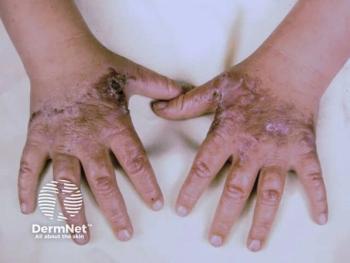
EB is a rare genetic disorder characterized by extreme skin fragility, chronic wounds, blistering, and significant pain. The most severe subtypes—junctional EB (JEB) and dystrophic EB (DEB)—can involve multisystem complications including sepsis, severe anemia, esophageal strictures, and a markedly elevated risk of squamous cell carcinoma, contributing to reduced lifespan. Globally, an estimated 500,000 people are living with EB. The condition also affects the mucous membranes of the mouth, throat, eyes, and gastrointestinal tract, and wound management is often intensive, requiring multidisciplinary care.3
The NDS is supported by data from EASE, a pivotal phase 3 trial assessing the safety and efficacy of birch triterpenes topical gel in patients with dystrophic and junctional EB, which was published in the British Journal of Dermatology in 2023. A 24-month open-label follow-up period is also included in the submission data package.
Birch triterpenes topical gel received approval from the US Food and Drug Administration in 2023 and from the European Commission in 2022 for the treatment of wounds associated with dystrophic and junctional EB. Most recently, the therapy was registered by the Australian Register of Therapeutic Goods in May 2026. In Canada, the safety and efficacy of birch triterpenes topical gel for the proposed indication remain under review, and the therapy has not yet received market authorization.
“Epidemiolysis bullosa remains highly challenging to manage, with patients often experiencing recurrent wounds, pain, infections, and other serious complications throughout their lives,” Irene Lara-Corrales, MD, MSc, a pediatric dermatologist at The Hospital for Sick Children (SickKids) in Toronto, in the release. “The disease can also place a substantial physical, emotional, and caregiving burden on patients and families, often requiring ongoing multidisciplinary care and support. An approved therapy in Canada for individuals living with EB would represent an important potential advancement for the community.”
“Priority Review acceptance by Health Canada marks an important regulatory milestone in the review for FILSUVEZ in Canada for people living with this rare, genetic, and often debilitating condition,” said Mitch Goldman, senior vice president, R&D, Chiesi Global Rare Diseases in the release. “EB has historically been characterized by limited research and treatment options, but the field is evolving, and so are we. With our history in Canada as a center for research and development, and now as an affiliate, we are proud to contribute to progress for the community and privileged to partner with local regulators, patients, caregivers, and clinicians. We are hopeful that this milestone brings us closer to our goal of advancing rare disease care in Canada and supporting those living with EB.”
References