Both barzolvolimab doses improved UAS7 at week 12 in EMBARQ-CSU1 and EMBARQ-CSU2, with up to 54% of patients reaching complete response by week 24.
HCW9302 selectively expands Treg cells to suppress autoreactive follicular inflammation without broad immunosuppression.
HCW Biologics has reported
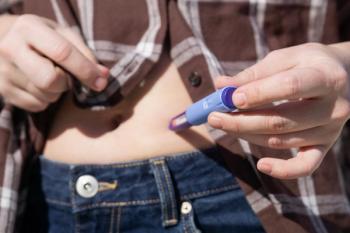
The company enrolled patients in both the first cohort (1 mcg/kg) and the second cohort (3 mcg/kg) as single subcutaneous doses of monotherapy. Dosing in the third cohort (8 mcg/kg) is now underway.
“The positive preliminary human data readout from the first 2 cohorts of the phase 1 clinical study of HCW9302 monotherapy for alopecia areata is highly encouraging, showing potential benefit along with a well-tolerated safety profile even with a single, subcutaneous low-dose regimen,” said Hing C. Wong, PhD, the company’s founder and chief executive officer, in a news release. “The results are consistent with our pre-clinical studies which demonstrated that HCW9302 exhibits a strong IL-2 receptor α bias, a unique and novel mechanism of action, while preferentially expanding and stimulating Treg cells to reduce pro-inflammatory and autoimmune responses in animal disease models, including alopecia and atherosclerosis. This strong IL-2Rα bias highly differentiates HCW9302 from native recombinant IL-2 and other IL-2-based muteins and PEG conjugates, which typically exhibit reduced binding activity to IL-2 receptor components. HCW9302 is comprised of all human-derived components and can be produced with a cost-effective, streamlined process similar to therapeutic monoclonal antibodies.”
HCW9302 is designed to selectively expand and activate regulatory T (Treg) cells, which suppress autoreactive immune responses—in this case, follicular inflammation driving hair loss.2 Unlike native recombinant IL-2 and many IL-2 muteins and PEG conjugates, HCW9302 exhibits strong bias toward the IL-2 receptor alpha (IL-2Rα) subunit, which is preferentially expressed on Tregs. This selectivity is intended to amplify anti-inflammatory activity while limiting stimulation of immune effector cells.
Conventional high-dose intravenous IL-2 carries significant toxicity risks, including capillary leak syndrome and cytokine release syndrome, along with increases in blood eosinophil counts. Neither was observed in any patient across the first 2 HCW9302 cohorts. All treatment-emergent adverse events were mild, self-limiting, and resolved without intervention. Injection-site reactions were the most frequently reported side effect.
The multicenter phase 1 study (
HCW Biologics expects to establish the recommended phase 2 dose by year-end. The company is composed entirely of human-derived protein components and is designed for manufacturing scalability comparable to therapeutic monoclonal antibodies.
Based on phase 1 results, HCW Biologics is evaluating multi-dose phase 2 studies in alopecia areata, vitiligo, and atopic dermatitis—all conditions with established or suspected autoinflammatory pathophysiology. The company has also identified emerging clinical evidence suggesting that Treg cell expansion combined with IL-2 may have therapeutic potential in amyotrophic lateral sclerosis, a neurodegenerative disease characterized by neuroinflammation.
Phase 2 planning will proceed following completion of dose escalation and confirmation of the safety and pharmacodynamic profile across higher dose levels. Larger, multi-dose studies will be needed to draw conclusions about efficacy and durability of response.
References