


Translational Takeaways distills the most clinically relevant findings from emerging dermatology research into clear, practice-focused insights that inform real-world decision-making.
Translational Takeaways distills the most clinically relevant findings from emerging dermatology research into clear, practice-focused insights that inform real-world decision-making.

Can misting hypochlorous acid every day improve skin, or is it just a myth? Read more about the latest social media trend and learn how to counsel your patients in the clinic.
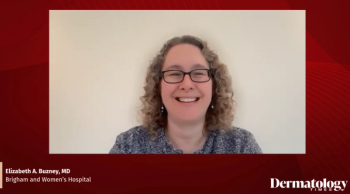
Elizabeth Buzney, MD, discusses the key reasons erythropoietic protoporphyria is frequently misdiagnosed and the consequences of prolonged diagnostic delay.
Every week, we cut through the noise to bring clinicians the trial results, approvals, and emerging therapies that are actually moving the needle.
This month, we asked our experts: What is the craziest social media trend or myth you’ve seen about sunscreen, suncare, tanning?

This month’s podcasts highlight the latest clinical insights, emerging therapies, and evolving conversations shaping dermatology practice.
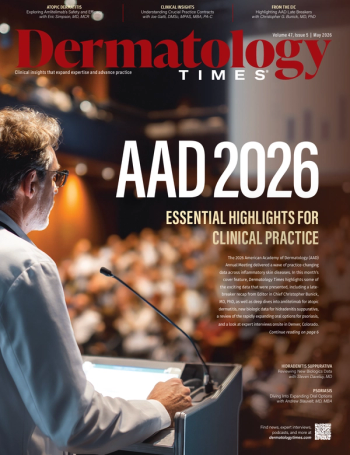
Learn more about the in-depth topics covered in the May 2026 print issue of Dermatology Times.
Hadar Lev-Tov, MD, said one of the most rewarding aspects of treating HS is hearing patients say, “Doctor, you saved my life.”

Deborah Sarnoff, MD, president of the Skin Cancer Foundation, discusses recognizing actinic keratosis, clinical indicators for biopsy, and strategies for counseling patients on cumulative sun damage in response to AK Awareness Day.

Explore the top headlines of the month, including insights on the latest clinical trials, therapeutic updates, and more.
Dermatology Times is looking back on the top stories in dermatology from the month of May.

Albert Chiou, MD, MBA, reviews updates presented at SID 2026 on phase 1 data showing soquelitinib activity in prior systemic therapy failures, with a well-balanced adverse event profile vs placebo.
Find out what skin care products and aesthetic innovations clinicians are recommending to patients for the month of May.

Employment contracts can have enormous financial and career consequences, yet many clinicians review them too casually before signing.
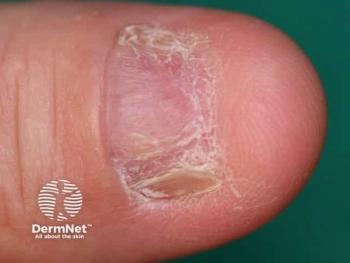
A review in JEADV Clinical Practice argues that deliberate nail examination in children can generate and narrow a differential diagnosis across virtually every organ system.
Neal Bhatia, MD, describes a protocol spanning antihistamine pretreatment, in-room talk anesthesia, and post-procedure skin care to improve tolerability of photodynamic therapy.

At 6-month follow-up, no behavioral outcomes — including sunscreen use, hat use, or reapplication — showed statistically significant improvement over baseline levels.
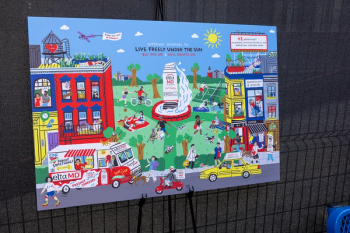
Learn how community events, like the recent Walk Under the Sun event, help turn sunscreen into a daily habit, explain hidden UV exposure, and debunk viral tanning myths.
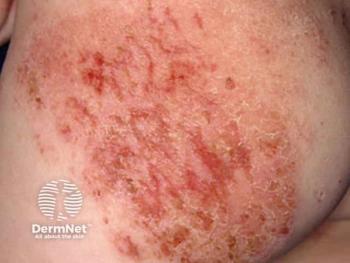
Apogee plans to initiate 3 phase 3 trials of zumilokibart in moderate to severe atopic dermatitis—ADventure 1, ADventure 2, and ADventure TCS—in the second half of 2026.

This review of the latest dermatological studies includes insights on methylsulfonylmethane in dermatology, the use of ultrasound in cutaneous mastocytoma, AI-augmented morphometric reporting for aesthetic treatments, and more.
Maryanne Makredes Senna, MD, reviews early-onset efficacy, favorable tolerability, and high rates of patient-reported improvement associated with extended-release oral minoxidil data.

Explore evidence-backed nutricosmetics and hormone-aware nutrition for women’s skin and hair—plus what to know about collagen and dosing.
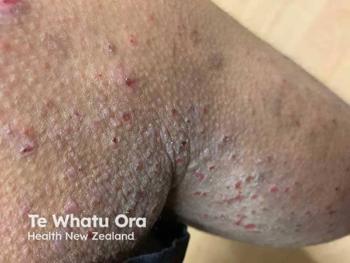
Among more than 1700 patients enrolled in the long-term extension study, the majority transitioned from a moderate to severe AD phenotype at baseline to a mild phenotype within 12 weeks, with that shift maintained through 2 years.

Dermatologists are increasingly integrating AI into clinical workflows, though many still use it primarily as a search tool rather than a true care-support system.

The fixed-dose adapalene 0.1% and benzoyl peroxide 2.5% topical OTC gel broadens nonprescription access to a combination topical regimen that has been used as a prescription product for more than 15 years.
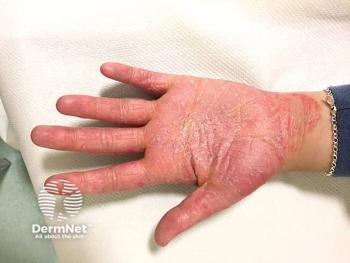
Clinical outcomes improved in both switch directions following treatment modification, with substantial reductions in PASI and EASI scores.
Prospective data presented at ASLMS by Isabella Camacho-Hubbard, MD, shows Stellar M22 XPL Glide boosts photodamage results, speeds treatments, avoids striping, and maintains safety.
Phase 3 data presented at AAD 2026 showed that amlitelimab significantly improved skin clearance and disease severity in patients aged 12 years and older with moderate to severe atopic dermatitis.
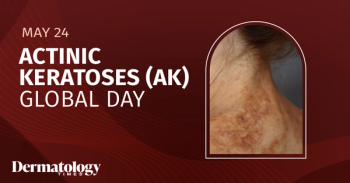
The annual AK awareness campaigns spotlight hats, sun protection, and regular skin checks to catch actinic keratosis early and prevent skin cancer.

Put your dermatology expertise to the test with Dermatology Times’ interactive quiz series.