

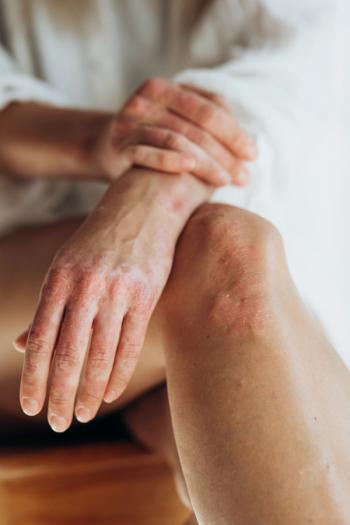
Dutch registry data show obesity and smoking predict higher psoriatic arthritis activity, making weight loss and quitting key to better control.
Dutch registry data show obesity and smoking predict higher psoriatic arthritis activity, making weight loss and quitting key to better control.

Learn how a specialized financial partner can enable independent practices to navigate market pressures while expanding access and boosting performance.

New data unveiled at AAD 2026 emphasized the growing role of targeted immune modulation and systemic therapies in dermatologic care.
In this episode, Renata Block, DMSc, MMS, PA-C, and Zachary Rubin, MD, discuss the overlapping worlds of allergy and dermatology—and how better cross-specialty understanding can dramatically improve patient outcomes.
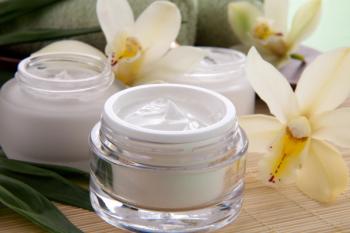
Recent research on orchid-derived skin care reveals antioxidant, anti-inflammatory, and wound-healing potential, but major gaps in clinical proof and safety reporting remain.

Turmeric and curcumin supplements used for hair loss are increasingly associated with rare but serious cases of liver injury.
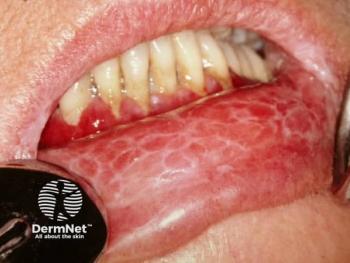
Cold atmospheric plasma eases stubborn oral lichen planus in long follow-up study, with a new scoring system tracking pain, function, and healing.
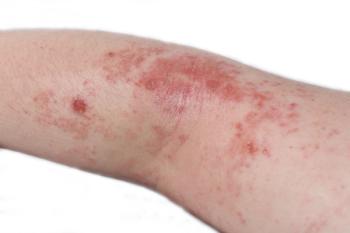
A 24-week trial shows ruxolitinib cream sustains control and itch relief in moderate atopic dermatitis when steroids fail, with a positive safety profile.
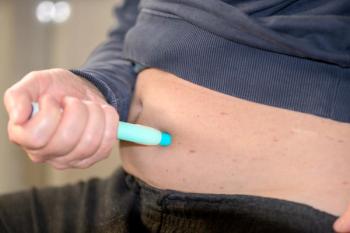
The analysis highlights potential disease-specific effects of GLP-1 pathway modulation across inflammatory conditions.

A retrospective study of 199 CSU patients found that elevated baseline D-dimer was the only independent predictor of high-dose omalizumab requirement after multivariate adjustment.
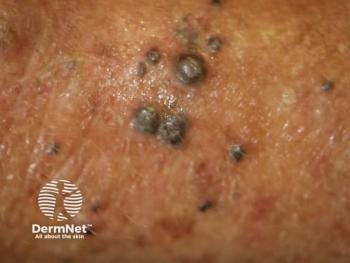
A phase 1/2 trial enrolling patients with refractory melanoma is now actively recruiting.
Once-daily roflumilast cream brings fast itch relief, EASI-75 responses, and reassuring safety in 3–24 months, supporting a recent sNDA to the FDA.

Initial phase 2 data show abdakibart (AVTX-009) boosts HiSCR responses in moderate to severe HS, with favorable safety, paving way for phase 3.
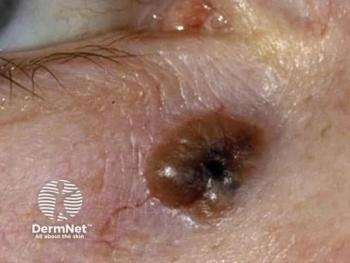
The high-dose D-MNA cohort showed continued improvement from Day 29 to Day 57, a trajectory not observed in the device-only control arm, supporting a drug-driven mechanism of action.

This review of the latest dermatological studies includes insights on social media and DTC pediatric alopecia treatments, BTX-A and Profhilo combination therapy, diagnostic barriers in dermatomyositis, and more.

Daniel Condie, MD, shares kid-friendly sun safety tips, tanning bed warnings, and early skin cancer detection advice that clinicians can share with families and teens.
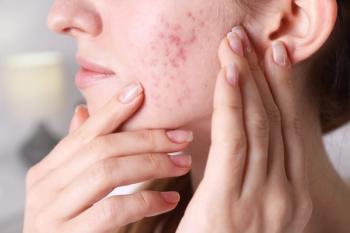
When combined with topicals, fire needle therapy boosted moderate acne clearance by week 8 and lowered IL-36/TSLP, with mostly mild adverse effects.
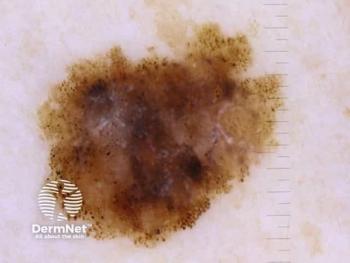
MRA commits a record $18.4M to global melanoma research, boosting rare-subtype collaboration, biorepositories, biomarkers, and next-gen therapies to combat rising cases.

Real clinical case scenarios with progressive diagnostic clues challenge dermatology clinicians to think on their feet, sharpen their diagnostic reasoning, and apply practice-changing takeaways at the point of care.

Daniel Condie, MD, debunks common Gen Z tanning myths, warns base tans and sunscreen fears fuel early skin cancer, and explains Mohs care challenges.
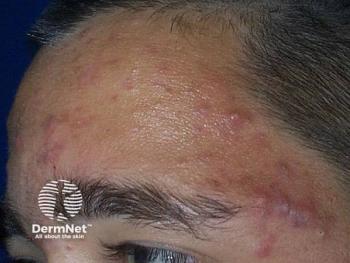
Radiofrequency-assisted microneedling reduced both inflammatory and non-inflammatory lesions while promoting neocollagenesis and downregulating pro-inflammatory mediators.
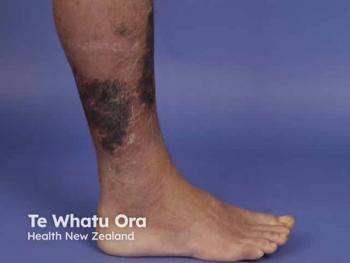
The case underscores that classic imaging hallmarks of necrotizing fasciitis are frequently absent in early-stage disease, making a high index of clinical suspicion essential for front-line providers.
As Melanoma Monday kicks off May's Skin Cancer Awareness Month, we're spotlighting the latest emerging data, evolving tools, and public health initiatives for clinicians.

Put your dermatology expertise to the test with Dermatology Times’ interactive quiz series.

Translational Takeaways distills the most clinically relevant findings from emerging dermatology research into clear, practice-focused insights that inform real-world decision-making.

Are at-home red light LED masks just a myth? Read more about the latest social media trend and discover how you should counsel your patients in the clinic.
In this episode, Liza O'Dowd, MD, discusses the 52-week data from the ICONIC clinical program of icotrokinra, the most recently approved oral peptide agent for psoriasis.
Every week, we cut through the noise to bring clinicians the trial results, approvals, and emerging therapies that are actually moving the needle.

Review the latest FDA pediatric dermatology updates, including dupilumab for childhood CSU, secukinumab for teen HS, and new CHE and infant eczema topical filings.

An early look at the finalized print issue—featuring key data, clinical takeaways, and expert insights before it reaches your mailbox.