Prospective data suggest DecisionDx-Melanoma may help refine SLNB decisions and identify recurrence risk beyond conventional staging.
Patricia M. Delgado, DNP, AGPCNP, DCNP, PMHNP, and Mohammad Jafferany, MD, discuss how integrating mental health and dermatologic care can improve outcomes for patients with chronic skin conditions.
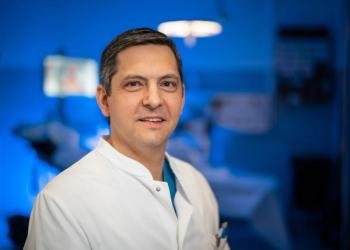
The intersection of dermatology and psychiatry continues to gain recognition as an essential area of clinical practice. In a recent episode of Skin & Psych, host Patricia M. Delgado, DNP, AGPCNP, DCNP, PMHNP, interviewed Mohammad Jafferany, MD, president of the Association for Psychoneurocutaneous Medicine of North America (APMNA), highlighting the evolving landscape of psycho-dermatology and the growing interest among clinicians and trainees.
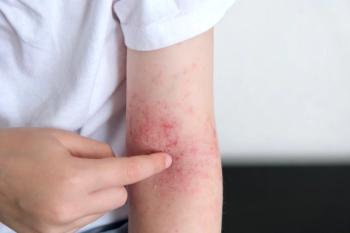
Founded in 1994, the APMNA has expanded from a small regional meeting to an international forum, attracting over 100 delegates from more than 20 countries in its 34th annual gathering. Jafferany emphasized the multifaceted scope of the conference, covering new research, systematic reviews, psychosocial aspects of chronic skin diseases, and cross-cultural perspectives. Notably, presentations addressed the management of complex conditions such as alopecia areata, atopic dermatitis, and hidradenitis suppurativa, illustrating the global variability in treatment approaches and regulatory approvals—for example, the European approval of baricitinib for atopic dermatitis, not yet available in the United States.
A recurring theme was the importance of integrating psychological assessment into dermatologic care. Jafferany highlighted simple, practical tools such as the PHQ-9 and GAD-7 questionnaires to screen for depression and anxiety, advocating that clinicians incorporate these routinely. “Unless you ask, patients won’t tell you,” he noted, emphasizing the need to actively recognize and address psychosocial factors contributing to disease burden.
The concept of the psychoneurocutaneous loop—the bidirectional influence of skin disease and psychological health—was a central focus. Treatment of associated anxiety or depression can improve self-esteem and, in turn, positively influence dermatologic outcomes. Presentations at the conference also showcased emerging neuroimaging data illustrating structural and functional brain changes in patients receiving integrated care, reinforcing the biological interplay between skin and mental health.
Education and professional development in psycho-dermatology are expanding. While formal fellowships remain limited in the US, opportunities include international diplomas, conference participation, committee involvement, and research collaborations. Jafferany encouraged engagement across disciplines—dermatologists, psychiatrists, psychologists, physician assistants, and nurse practitioners—to enhance awareness, clinical competence, and ultimately patient outcomes.
As interest in psycho-dermatology grows, the APMNA exemplifies the value of interdisciplinary collaboration, evidence-informed practice, and international exchange in advancing patient-centered care. For clinicians managing chronic skin conditions, integrating psychological assessment and treatment represents a crucial step toward more holistic and effective care.