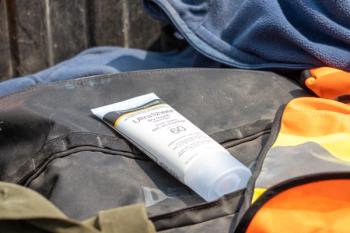
Two new Neutrogena facial sunscreens incorporate bemotrizinol, the first new sunscreen active ingredient added to the US OTC monograph in decades.
Explore the top headlines of the week, including insights on the latest clinical trials, therapeutic updates, and more.
To stay up to date with the latest dermatology news, sign up to receive our
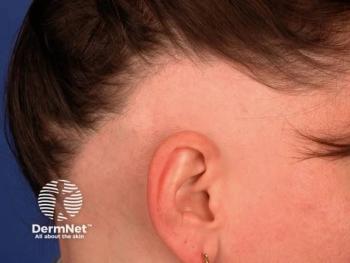
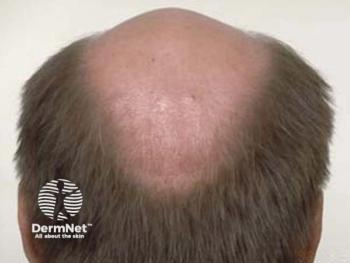
In an interview, Christina Weng, MD, and Daniel Gil, PhD, discussed PP405, a novel topical treatment for alopecia that reactivates dormant hair follicle stem cells to regenerate new hair growth. Unlike existing therapies that primarily slow hair loss or thicken existing strands, PP405 targets the underlying biology by restarting the hair growth cycle in inactive follicles. Phase 2a data showed increased follicular unit activation and terminal hair growth with favorable tolerability and no systemic adverse effects. As development moves into late-stage trials, PP405 represents a promising regenerative approach that could reshape treatment strategies for hair loss.
AbbVie has submitted upadacitinib for regulatory approval to the US FDA and European Medicines Agency for the treatment of non-segmental vitiligo (NSV), supported by phase 3 Viti-Up trial data. The oral JAK1 inhibitor targets immune pathways involved in melanocyte destruction and demonstrated clinically meaningful repigmentation outcomes, including improvements in both total and facial vitiligo scores at 48 weeks. With limited treatment options currently available, this submission represents a potential shift toward systemic therapy for patients with moderate to severe disease, pending further data review and regulatory decisions.
Recludix Pharma has received clearance from the US FDA for its Investigational New Drug application, allowing REX-8756 to enter phase 1 clinical testing. The oral therapy targets the STAT6 SH2 domain—previously considered difficult to drug—offering a novel way to block IL-4 and IL-13–driven inflammation. Preclinical data showed strong and sustained suppression of inflammatory signaling with efficacy comparable to biologics and the potential for improved safety versus JAK inhibitors. Developed in partnership with Sanofi, REX-8756 is being positioned as a potential first-in-class oral treatment for type 2 inflammatory diseases.
Amanda Caldwell, MSN, APRN-C, explores the profound impact of chronic spontaneous urticaria (CSU) on patients and families, illustrated through her personal experience with her child. It highlights the physical, emotional, and social burden of unpredictable hives and angioedema, the challenges of navigating stepwise treatment protocols, and the delays caused by insurance requirements. The piece also underscores the evolving treatment landscape, including biologics like omalizumab and dupilumab, emerging oral therapies such as Bruton tyrosine kinase inhibitors, and next-generation targeted agents like ligelizumab and MRGPRX2 antagonists, emphasizing the importance of timely access and patient-centered care in improving outcomes.
The LATITUDE trials evaluated zasocitinib, an oral therapy for moderate to severe plaque psoriasis, against both placebo and apremilast. About 70% of patients achieved clear or almost clear skin (sPGA 0/1) at week 16, compared with 30% for apremilast and 10% for placebo, with responses maintained through week 24. High levels of clearance were seen, with two-thirds achieving PASI 90 and one-third reaching complete clearance (PASI 100) by week 16, sustained through week 24. Long-term follow-up showed over 90% maintained sPGA 0/1 and durable PASI 75/90 responses through week 60. These results suggest that zasocitinib delivers biologic-level efficacy in an oral form, offering new treatment options for patients preferring non-injectable therapies.