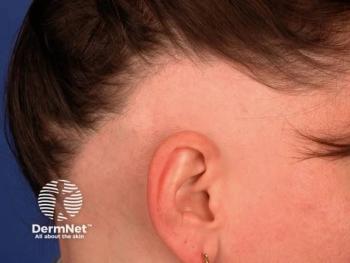
The FDA approval, based on 36-week data from the phase 3 BRAVE-AA-PEDS trial, extends baricitinib access to patients as young as 12 years old with severe alopecia areata.
Pelage’s PP405 novel topical reawakens dormant follicle stem cells, showing signs of terminal regrowth and fueling late-stage alopecia research.
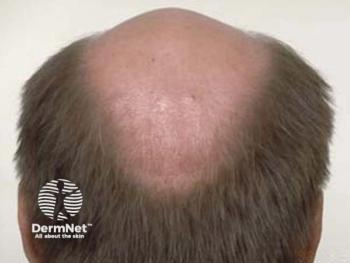
In this interview with Dermatology Times, Christina Weng, MD, Chief Medical Officer of Pelage, was joined by CEO Daniel Gil, PhD, to discuss the development of PP405, a novel topical therapy designed to treat alopecia by directly reactivating dormant hair follicle stem cells. This regenerative mechanism represents a departure from existing therapies, which primarily target indirect contributors to hair loss, such as androgens or scalp blood flow, and typically focus on slowing hair loss or thickening existing strands rather than inducing new growth.
According to Gil,
A distinguishing feature of the program is its emphasis on follicular unit activation as a measure of efficacy. Follicular units—natural groupings of 1 to 5 hair follicles—provide a more clinically meaningful assessment than hair counts alone, as Weng noted. Increasing the number of active follicular units reflects not only greater hair density but also more uniform scalp coverage, as new growth emerges from previously inactive regions. Phase 2a data demonstrated that treatment with PP405 was associated with increased follicular unit counts and terminal hair growth, in contrast to placebo, where gains were limited to fine vellus hairs.
The randomized, controlled phase 2a study (
Looking ahead, the company is preparing for late-stage clinical trials, with planned endpoints including non-vellus hair counts and follicular unit activation. Additional measures, such as hair thickness and length, may also be considered to capture the multidimensional nature of hair regrowth. Notably, PP405 is being developed for use in both men and women. Overall, PP405 represents a promising translational advance, moving from stem cell research to clinical application, with the potential to redefine therapeutic strategies for hair loss through a regenerative, mechanism-driven approach.