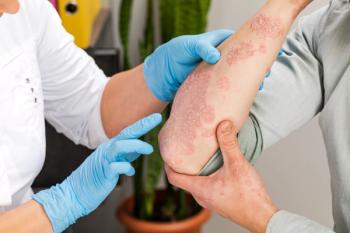
The FDA approved therapies for melanoma, dermatomyositis, superficial basal cell carcinoma, and adolescent alopecia areata, while TYK2 inhibitors and rare disease filings advanced toward 2027 decisions.
Leon Kircik, MD, discusses the allosteric binding mechanism and safety profile data of zasocitinib in hard-to-treat psoriasis presented at the 2026 American Academy of Dermatology (AAD) Innovation Academy.
“We are very lucky to be in dermatology treating psoriasis in this day and age. We have more than 13 biologics to treat. We have some oral treatments coming into the pipeline,” said Leon Kircik, MD, in a recent interview.
Kircik, a dermatologist, clinical professor of dermatology at the Icahn School of Medicine at Mount Sinai, medical director of Derm Research, PLLC and Physicians Skin Care, PLLC, and principal investigator for the LATITUDE PsO studies, recently discussed
Kircik reviewed sub-analysis data from the LATITUDE PsO 3001 (
In a
Kircik explained TYK2 selectivity carries importance not only in hard-to-treat areas but across psoriasis treatment overall. Most JAK inhibitors rely on orthosteric inhibition at the ATP binding site, known as the JAK1 site, according to Kircik. Zasocitinib instead binds the pseudo domain, an allosteric regulatory site not competing directly with ATP binding, changing the domain's morphology.
"The allosteric binding makes this very unique for TYK2 versus zasocitinib, and clinically it reflects on the adverse event profile in a positive manner," Kircik said.
Kircik noted zasocitinib shows more than 1 million-fold greater binding selectivity for TYK2 compared with JAK1, JAK2 and JAK3. He described this selectivity, combined with allosteric rather than orthosteric binding, as central to the drug's distinct profile.
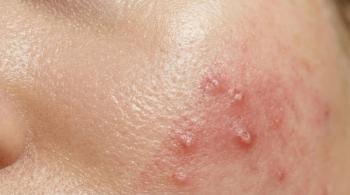
Kircik pointed to safety findings comparing the placebo-controlled period at week 16 with data through week 24. No new safety signals emerged between the two timepoints, he said. Acne was the most common adverse event, consistent with expectations for TYK2 inhibitors.
"In dermatology, we know how to deal with acne. We know how to treat acne. We are not dealing with cancers, leukemias, lymphomas, or any other things out of our realm," Kircik said.
Kircik also cited nasopharyngitis, diarrhea, headaches, and nausea among adverse events commonly reported across studies. One death occurred in the zasocitinib arm, happening the day after baseline.
"This patient, unfortunately, the death happened the day after the baseline after taking the medicine, and it was not considered related to the study drug," Kircik said.
Kircik placed the phase 3 findings within a broader shift in psoriasis care. Dermatologists now have more than 13 biologics available, with additional oral treatments advancing through development. He contrasted current options with scalp psoriasis treatments used decades ago, including mixed tar, salicylic acid and topical steroids, calling such approaches malpractice by today's standards.
"We are very lucky to be in dermatology treating psoriasis at this day and age," Kircik concluded.
Zasocitinib's phase 3 efficacy and safety data mark a welcome addition to the treatment armamentarium, according to Kircik.
References