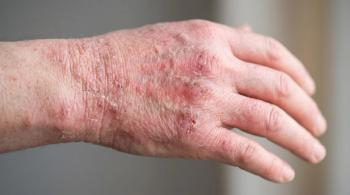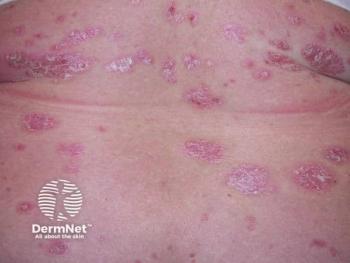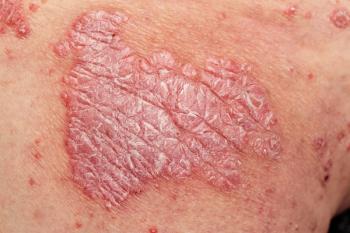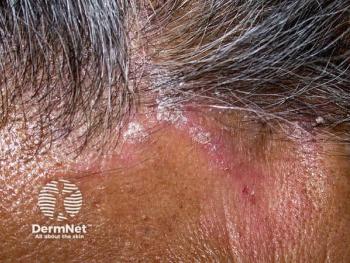
At 2 years, 70% of patients on oral icotrokinra for scalp, genital, or hand/foot psoriasis had clear or almost clear skin, with no new safety signals.
At AAD 2026, Melinda Gooderham, MSc, MD, FRCPC, reviewed late-breaking zasocitinib data for psoriasis, noting that 70% of patients reached sPGA 0/1.
“We finally will have a pill that can offer the same efficacy as a biologic, and that will open up all options for our patients,” said Melinda Gooderham, MSc, MD, FRCPC, at the
Gooderham, a dermatologist and medical director at the SKiN Centre for Dermatology in Peterborough, Ontario, Canada, presented
The LATITUDE trials (
Efficacy outcomes across higher thresholds of clearance further showed the agent’s potential. “Two thirds of patients are achieving PASI 90 by week 24,” Gooderham noted, with approximately one-third achieving complete skin clearance (PASI 100) as early as week 16. These responses were sustained through week 24, aligning with efficacy benchmarks more typically associated with biologic therapies. “We’re seeing some results similar to what we have seen with biologic agents,” she said.
Durability of response represents another key differentiator. Beyond week 40, over 90% of patients maintained clear or almost clear skin, with sustained PASI 75 and PASI 90 responses observed through week 60. These findings address a longstanding clinical question regarding the long-term performance of oral agents in psoriasis management.
Gooderham contextualized these data within the evolving therapeutic landscape, highlighting the historical tradeoff between efficacy and route of administration. “In the past, there’s been a bit of a tradeoff with the oral agents,” she explained, where biologics have consistently delivered higher levels of clearance. However, zasocitinib may signal a shift in this paradigm. “I see a new phase coming where the oral agents are providing the same level of efficacy and safety as we’re seeing with the biologic agents,” she said.
From a clinical standpoint, the availability of a highly efficacious oral therapy could expand shared decision-making, particularly among patients who prefer to avoid injectable treatments. Gooderham emphasized this potential impact: “We finally will have a pill that can offer the same efficacy as a biologic,” adding that it may fundamentally “change the discussion… and the approach that we take to managing moderate to severe plaque psoriasis.”
Collectively, the LATITUDE data position zasocitinib as a promising oral agent capable of achieving high levels of skin clearance with durable responses, potentially narrowing the gap between oral and biologic therapies in psoriasis.
References