

These leaders are shaping the future of dermatology through their clinical expertise, research, and educational presentations.
These leaders are shaping the future of dermatology through their clinical expertise, research, and educational presentations.


Levy reflected on the importance of mentorship, collaboration, and the evolving landscape of pediatric dermatology at the Society for Pediatric Dermatology Pre-AAD Meeting.

Despite declining skin care sales post-pandemic, fragrance products remain strong, prompting increased investment from cosmetic companies.

The rise of at-home injectable trends is exposing patients to risks including infection, nerve damage, and potential systemic complications.
Guardrails and disclaimers are essential for responsible AI deployment in dermatology, according to Faranak Kamangar, MD.

Who is a woman who has shaped your life and career in dermatology? Hear stories from our experts as we celebrate Women's History Month 2026.
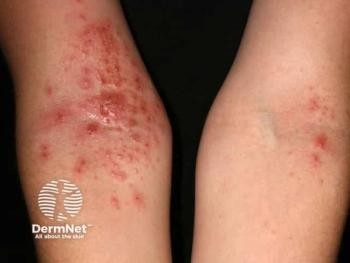
Targeted therapies are increasingly used earlier in treatment rather than being reserved for severe or refractory cases.

This review of the latest dermatological studies includes insights on vitiligo cultural beliefs, home-based phototherapy, digital search behavior in NSV patients, and more.
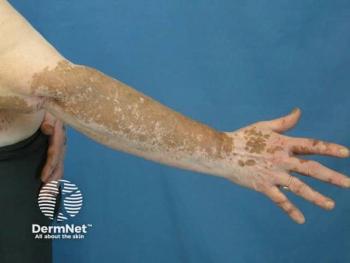
Misconceptions about vitiligo, including contagion and supernatural causation, remain prevalent in many regions and are linked to increased stigma.

Linda Stein Gold, MD, FAAD, shares her thoughts on FDA-approved, once-daily oral icotrokinra for teens and adults with moderate to severe plaque psoriasis, promising biologic-like results, strong safety, and earlier systemic escalation.

A study shows physician counseling boosts safe adherence and curbs misinformation-driven decisions, as pregnant women often stop skin treatments and experience worsened symptoms.
The upcoming trial will assess an injectable formulation of Xvie, distinct from its currently available topical counterpart.

Overall, the future of dermatology lies in integrating innovation with individualized, evidence-based, and patient-centered care.
IL-17 inhibitors are highly effective, but many patients still require switching due to treatment failure, loss of response, or intolerance.

Successful negotiation integrates compensation, productivity, procedural access, and autonomy to create a sustainable, well-valued clinical role.
PANP360 Immersive will deliver one-day, high-yield dermatology CME for NPs and PAs, featuring hands-on workshops, complex case strategies, and practical tips to optimize therapies.

In a striking finding, 97% of patients who had experienced no facial repigmentation whatsoever at week 24 demonstrated measurable F-VASI improvement after 104 weeks of continuous ruxolitinib cream use.

Twin experts reveal how dermatology and dentistry team up for facial aesthetics, early lesion detection, and safer care—from lasers to oral screenings.
Phase 2 APEX part A data showed zumilokibart maintained EASI-75 responses in 75–85% of week 16 responders at 1 year across quarterly and biannual dosing regimens.

Swanson and Silverberg explain why tween skin care trends harm barriers, and how clinicians can simplify routines and spot allergens.

Put your dermatology expertise to the test with Dermatology Times’ interactive quiz series.

In case you missed it, this week we had news on the FDA's approval of icotrokinra, phase 3 ADorable-1 data supporting lebrikizumab, the sBLA acceptance of tildrakizumab for PsA, and more.

This week, we feature top articles from our sister publications on regulatory updates, clinical trial insights, and more.

Panelists discuss the role of communication, follow-up, and safety monitoring in optimizing long-term biologic therapy outcomes.
Renata Block, DMSc, MMS, PA-C, and Jamie Restivo, MPAS, PA-C, explore how hypochlorous acid sprays and sodium hypochlorite washes simplify AD adjunct care, improving adherence, antimicrobial control, and symptom relief.
Only 15–20% of eligible patients currently receive systemic psoriasis treatment, and specialists believe icotrokinra's simplicity could meaningfully move that needle.

Susan C. Taylor, MD, moderated a recent Case-Based Roundtable discussion on topical treatment options for vitiligo.

Aging hair fibers become finer in diameter, increasing vulnerability to chemical and physical damage.
When used thoughtfully, Faranak Kamangar, MD, says AI can transform generic processes into innovative, time-saving clinical tools.