From emerging therapies to earlier intervention and psychosocial support, Dermatology Times looks back at key alopecia areata developments in 2026.
This review of the latest dermatological studies includes insights on Vitamin B12's connection to hyperpigmentation, treatment modalities for female pattern hair loss, 0.5% timolol maleate eye drops for rosacea, and more.
This blinded paired-image study of 100 histopathologically confirmed basal cell carcinomas suggests cross-polarized macro photography (CPMP) may serve as a valuable adjunct to polarized dermoscopy (PD) in clinical practice. Across established BCC dermoscopic criteria, CPMP and PD demonstrated comparable feature visibility, with no significant differences in the detection of key diagnostic structures. However, CPMP showed advantages in depth of field, color fidelity, and field of view, capturing all lesions ≥1 cm in a single frame, whereas 41.5% of large lesions exceeded PD’s field of view. Experts generally favored CPMP, particularly for pigment-rich lesions, while PD retained an advantage for lesions with fine vascular structures. These phenotype-dependent differences suggest complementary strengths rather than competition between modalities. The findings highlight CPMP as a potentially practical, non-contact imaging tool that may enhance lesion documentation, improve assessment of larger or anatomically challenging BCCs, and support more comprehensive imaging alongside conventional dermoscopy.1
A recent case report highlights cutaneous hyperpigmentation as an often-overlooked but potentially early sign of vitamin B12 deficiency. A 69-year-old man presented with symmetric hyperpigmentation of the dorsal hands, palmar creases, and periungual areas, along with fatigue, weight loss, and paresthesias. Workup revealed low vitamin B12 levels and hypersegmented neutrophils, supporting the diagnosis. Following intramuscular and oral vitamin B12 replacement, both pigmentation and neurologic symptoms improved significantly within 3 months. The report emphasizes that subtle pigmentary findings, particularly involving the knuckles and palms, may serve as a clue to underlying systemic disease, even before classic macrocytic anemia is evident. It also underscores the need to consider nutritional deficiency in the differential diagnosis of acquired hyperpigmentation, especially in at-risk patients such as vegetarians or older adults, as early recognition and treatment can prevent irreversible neurologic complications. 2
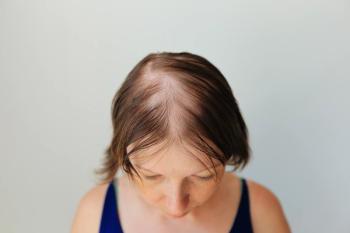
In a multicenter randomized trial of 74 women with female pattern hair loss, all 3 autologous platelet concentrate therapies—PRP, injectable platelet-rich fibrin (i-PRF), and concentrated growth factors (CGF)—significantly improved hair density and hair shaft diameter after 24 weeks. However, i-PRF and CGF outperformed PRP for increasing non-vellus target area hair counts, with gains of about 27% versus 14.5% for PRP. Improvements in hair diameter were similar across groups. i-PRF had the lowest adverse event rate, while all treatments were generally well tolerated with no serious safety concerns. Investigator assessments also favored greater clinical improvement with i-PRF and CGF. Notably, higher VEGF concentrations correlated with greater hair count improvement, suggesting a possible mechanistic role in response. These findings suggest i-PRF and CGF may offer advantages over traditional PRP as regenerative treatment options for women with mild to moderate female pattern hair loss.3
In this randomized, triple-blind, placebo-controlled trial, topical 0.5% timolol maleate eye drops demonstrated promising efficacy for erythematotelangiectatic rosacea. Among 42 patients treated once daily for 4 weeks, timolol significantly reduced facial erythema compared with placebo, as measured objectively by Mexameter readings, and also improved Clinician Erythema Assessment, flushing severity, and patient self-assessment scores. Imaging with the Visioface system further supported reductions in redness. A significant time-by-treatment interaction suggested sustained improvement patterns distinct from placebo, including benefits observed 4 weeks after treatment discontinuation. Importantly, treatment was well tolerated, with no significant adverse effects reported, but larger, longer-term studies are needed to confirm efficacy and durability. These findings suggest topical timolol—an inexpensive and widely available beta-blocker—may represent a novel nonantibiotic option for managing persistent erythema and flushing in rosacea, particularly for patients seeking alternatives to conventional therapies.4
A two-sample Mendelian randomization study suggests a potential protective role for the tRNA-derived adenosine modification t6A in bullous pemphigoid (BP), offering new insight into disease susceptibility. Using large-scale GWAS and FinnGen data, investigators found genetically predicted higher t6A levels were associated with a 63% lower risk of BP (OR, 0.37), with results supported by sensitivity analyses and no evidence of major bias or pleiotropy. In contrast, no significant causal associations were seen for adenosine deaminase (ADA), ADA protein levels, or other adenosine metabolites, nor for mucous membrane pemphigoid or unspecified pemphigoid subtypes. Researchers hypothesize t6A may influence immune regulation and T-cell–mediated pathways relevant to BP pathogenesis. Further mechanistic and multi-ethnic studies are needed to validate the association and explore clinical relevance. The findings are primarily hypothesis-generating but highlight a potentially novel biomarker or therapeutic target in autoimmune blistering disease.5
References
1. Erdem O, Erdemir VA, Dağtaş BB, et al. Cross-Polarized Macro Photography versus Polarized Dermoscopy in Basal Cell Carcinoma: A Blinded Paired-Image Comparison. Clinical, Cosmetic and Investigational Dermatology, 19. 2026. https://doi.org/10.2147/CCID.S605974
2. Mathur M, Paudel S, Karki S, et al. Skin Hyperpigmentation: An Under-Recognized Dermatological Clue to Vitamin B12 Deficiency. Clinical Case Reports 14, no. 5 (2026): e72634, https://doi.org/10.1002/ccr3.72634.
3. Li M, Bai Y, Ye Z, et al. Comparative efficacy and safety of platelet-rich plasma (PRP), injectable platelet-rich fibrin (i-PRF) and concentrated growth factors (CGF) for female pattern hair loss (FPHL): a prospective multicenter randomized clinical trial. Journal of Dermatological Treatment, 37(1). 2026. https://doi.org/10.1080/09546634.2026.2659498
4. Moradi A, Shakoei S, Hamzelou S, et al. Efficacy of 0.5% Timolol Maleate Eye Drops for the Treatment of Facial Rosacea: A Randomized, Triple-Blind, Placebo-Controlled Clinical Trial. The Journal of Dermatology (2026): 1–8, https://doi.org/10.1111/1346-8138.70249.
5. Yan L, Chen D, Yu D, Shen X. Genetically Predicted t6A (a tRNA-Derived Adenosine Modification) and Risk of Bullous Pemphigoid: A Two-Sample Mendelian Randomization Study. Clinical, Cosmetic and Investigational Dermatology, 19. 2026. https://doi.org/10.2147/CCID.S564082