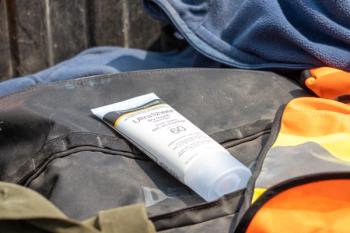
Two new Neutrogena facial sunscreens incorporate bemotrizinol, the first new sunscreen active ingredient added to the US OTC monograph in decades.
Explore the top headlines of the week, including insights on the latest clinical trials, therapeutic updates, and more.
To stay up to date with the latest dermatology news, sign up to receive our
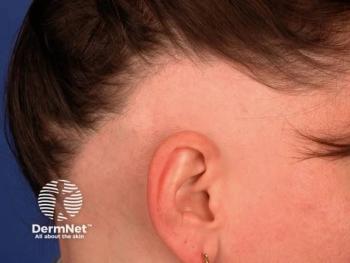
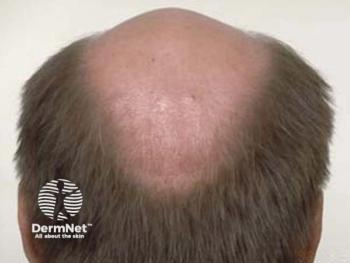
In an interview, Christina Weng, MD, and Daniel Gil, PhD, discussed PP405, a novel topical treatment for alopecia that reactivates dormant hair follicle stem cells to regenerate new hair growth. Unlike existing therapies that primarily slow hair loss or thicken existing strands, PP405 targets the underlying biology by restarting the hair growth cycle in inactive follicles. Phase 2a data showed increased follicular unit activation and terminal hair growth with favorable tolerability and no systemic adverse effects. As development moves into late-stage trials, PP405 represents a promising regenerative approach that could reshape treatment strategies for hair loss.
New interim data from investigator-initiated trials supported by Galderma highlight how regenerative aesthetic treatments may address skin changes linked to menopause and medication-driven weight loss. In one study led by Andreas Nikolis, combining Restylane Skinboosters with Sculptra improved hydration, elasticity, and overall skin quality in menopausal women, with earlier hydration gains seen when Skinboosters were used first. A second study led by Sabrina Fabi found that patients undergoing GLP-1–associated weight loss had a marked reduction in adipose-derived stem cells, helping explain disproportionate volume loss and supporting the role of biostimulatory treatments. Together, the findings suggest a more tailored, biology-driven approach to aesthetic care, though larger studies are needed to confirm these early results.
The FDA has expanded approval of dupilumab to include children aged 2 to 11 years with antihistamine-refractory chronic spontaneous urticaria, making it the first biologic option available for this population. Backed by data from the LIBERTY-CUPID phase 3 program, the therapy significantly reduced itch and disease activity when added to standard antihistamines, with a safety profile consistent with prior indications. By targeting IL-4 and IL-13–driven type 2 inflammation rather than just symptoms, this approval represents a meaningful shift in treatment approach and fills a longstanding gap for pediatric patients with difficult-to-control CSU.
In this expert perspective, Karan Lal explores the expanding role of GLP-1 receptor agonists in dermatology, highlighting evidence from the TOGETHER-PsO trial showing that combining tirzepatide with ixekizumab significantly improved psoriasis outcomes and weight loss compared with biologic therapy alone. Beyond efficacy, the article underscores the growing need for dermatologists to manage cutaneous effects of GLP-1 use, including hair loss—often linked to telogen effluvium and nutritional deficiencies—and facial volume loss associated with rapid weight reduction. While early data suggest GLP-1 therapies may also exert direct anti-inflammatory effects in skin disease, patient counseling around risks and nutritional support remains essential as these agents become more widely used.
A post hoc analysis of the Measure Up 1 and 2 phase 3 trials shows that achieving more ambitious treatment goals in atopic dermatitis—specifically near-complete skin clearance and minimal itch—leads to significantly greater improvements in patient-reported outcomes. Patients who reached stringent targets (EASI 90 and minimal pruritus) experienced better quality of life, sleep, pain control, psychological well-being, and treatment satisfaction compared with those achieving more modest responses. The findings support treat-to-target approaches such as the AHEAD recommendations, reinforcing the importance of aiming for optimal disease control and incorporating patient-centered measures into routine care.