Castor oil has become a popular social media remedy for thicker, longer hair, but evidence supporting its ability to stimulate hair growth remains limited.
Although dermatologists are not expected to routinely prescribe GLP-1 drugs, they are increasingly encountering cutaneous effects, especially hair loss and facial volume loss.
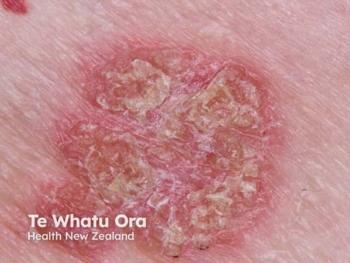
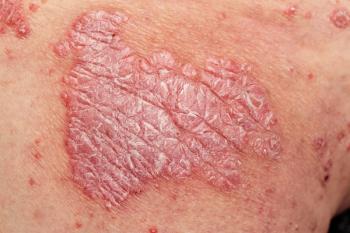
Glucagon-like peptide-1 (GLP-1) receptor agonists are trending among all specialties. We know obesity drives inflammation, which can instigate chronic inflammatory diseases such as psoriasis, hidradenitis suppurativa, and polycystic ovary syndrome, and may even contribute to inflammation-related aspects of aging. Recent data from the TOGETHER-PsO trial (NCT06588283) demonstrated that 27.1% of participants receiving ixekizumab (Taltz; Eli Lilly and Company) and tirzepatide (Zepbound; Eli Lilly and Company) reached complete skin clearance (Psoriasis Area and Severity Index [PASI] 100) and at least 10% weight loss compared with 5.8% of patients treated with ixekizumab alone, meeting the primary end point (P < .001).1
In a key secondary end point, ixekizumab plus tirzepatide delivered a 40% relative increase over ixekizumab monotherapy in the proportion of patients who achieved PASI100 (40.6% vs 29.0%, respectively; P < .05), demonstrating that treatment of overweight or obesity with tirzepatide reduced the burden of psoriasis.1 This is our first pivotal trial supporting our anecdotal use of GLP-1s to comanage inflammatory skin diseases. Although not many dermatologists feel comfortable prescribing GLP-1s (you don’t need to), we are at the forefront of managing cutaneous consequences of GLP-1 use. The most common clinic findings are hair loss and facial volume loss.
Hair loss is often multifactorial. Part of this is telogen effluvium from the medication itself, coupled with poor nutritional intake and vitamin deficiencies that arise with GLP-1 use. In fact, one cross-sectional survey found that 70.4% of GLP-1 users experienced hair loss after initiation, a rate markedly higher than that reported in GLP-1 studies. Hair loss was correlated with tirzepatide use and greater weight loss.2
Although androgenetic alopecia has also been seen to increase in prevalence with GLP-1 use, a case report of improvement of androgenetic alopecia has been published as well.3 Of course, telogen effluvium may precipitate androgenetic alopecia in susceptible individuals. Usually, I will see patients early on in their GLP-1 use and order nutritional labs focusing on vitamin D (a fat-soluble vitamin), zinc, selenium, iron, and ferritin. I also strongly counsel patients to maintain a diet of 1200 to 1500 calories, with a focus on 1 gram of protein per pound of body weight from whole-food sources (eg, beans, meat, cheese, yogurt).
Facial volume loss is slightly more complicated. Volume loss occurs in both the fat and bony compartments (more prominent in peri- and postmenopausal women). The facial changes occur much later in the course, when correcting the volume loss becomes vast, costly, and unattainable. Believe it or not, weight loss also affects our skin.4 Studies that have evaluated histological changes with major weight loss have identified a reduction in thick collagen fibers and increased elastic fiber density. What does this translate to? Lax, structureless skin, which also contributes to facial sagging, known as “Ozempic face.”
One open-label multicenter study assessed the treatment regimen of poly-L-lactic acid (PLLA-SCA) and 2 hyaluronic acid midface fillers (HA-LYF, HA-CON) on restoring facial balance, correcting contour deficiencies, and improving skin quality in subjects who experienced weight loss from GLP-1 receptor agonist therapy.5 The results demonstrated that this regimen significantly improved facial skin quality and enhanced contour in the cheek, jawline, and perioral areas, and demonstrated objective improvement in hydration and skin radiance. The key potential problem I have found with biostimulators is that patients need to be able to build collagen, and, for weight loss, this requires at least adequate nutrition from a protein and calorie standpoint. PLLA-SCA is notoriously known for being a huge success for some and a disappointment for others, and the cost-benefit ratio has to be worth it. I believe treating people along their journey, as opposed to the end, provides better results with more room for nutritional augmentation and recovery.
I always receive questions about why or how GLP-1 agonists work in the skin. Is it primary, or are our benefits secondary? We don’t have all the answers yet, but we have some preliminary basic science data. One small study assessed imiquimod-induced psoriatic eruption in mice and the impact of liraglutide (Saxenda; Novo Nordisk) treatment on specific cytokine profiles. The study found that liraglutide-treated mice had reduced levels of IL-17, IL-22, and tumor necrosis factor-α.6 Interestingly, one small study also identified GLP-1 expression in psoriatic skin samples.7 Although we don’t know the exact mechanisms, we do know that treating comorbidities of psoriasis, including obesity, diabetes, hypertension, and hyperlipidemia, leads to better overall skin and joint outcomes.
The most difficult part of GLP-1 management is understanding and counseling about risks. Adverse events include diarrhea, constipation, nausea, abdominal pain, aspiration pneumonia, cholelithiasis, pancreatitis, and thyroid tumors. These medications are contraindicated in those with multiple endocrine neoplasia type 2 (MEN 2) syndrome. Most large-scale studies have not shown a true increased risk of thyroid tumors with GLP-1 use outside of MEN-2 syndrome. The most serious adverse event is nonarteritic anterior ischemic optic neuropathy (NAION). A large retrospective matched study identified 17 NAION events in patients prescribed semaglutide vs 6 in the non–GLP-1 antidiabetes cohort. The cumulative incidence of NAION for the semaglutide and non–GLP-1 cohorts over 36 months was 8.9% (95% CI, 4.5%-13.1%) and 1.8% (95% CI, 0%-3.5%).8 Although the risk of NAION is still low, it is a scary, irreversible event that is more common in patients with diabetes, and no preventive measures exist.
GLP-1 receptor agonists are here to stay, and we will continue to learn about them and their impact in dermatology in the next few years. I urge all dermatology clinicians to learn about GLP-1s; advocate for your patients with hidradenitis suppurativa, psoriasis, Hailey-Hailey disease, lipedema, and polycystic ovary syndrome; and discuss GLP-1 treatment to optimize health outcomes.
Karan Lal, DO, MS, FAAD, is the first and only dual fellowship–trained pediatric and cosmetic dermatologist in the US, practicing at Affiliated Dermatology in Scottsdale, Arizona. He is also a member of the Dermatology Times Editorial Advisory Board.
References
6 months ago
Dermatology Times April 2026 Print Recap6 months ago
New Data Are Springing Into Dermatology