Castor oil has become a popular social media remedy for thicker, longer hair, but evidence supporting its ability to stimulate hair growth remains limited.
The 2026
A major topic at both AAD and in general practice is the use of glucagon-like peptide-1 (GLP-1) receptor agonists among dermatology clinicians. To further explain the use of GLP-1 drugs and their effects on hair and facial volume loss, Karan Lal, DO, MS, FAAP, provides a “need to know” guide for clinicians in this month’s cover feature. As Lal noted, “GLP-1 receptor agonists are here to stay,” and he urges all dermatology clinicians to learn about GLP-1s and advocate for their patients with inflammatory conditions.
Other expert insights in this issue include a review from Jill Cowan, APRN, FNP-BC, on recent advances in understanding rosacea’s pathophysiology and implications for patient management. She reviews the multifactorial mechanisms underlying the disease, including neurovascular signaling and the role of microbial and environmental triggers.
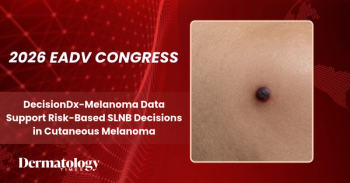
Darrell Rigel, MD, MS, reflects on the origins and global impact of the ABCDs of melanoma, the deceptively simple framework he developed in 1985 with colleagues Robert Friedman, MD, and Alfred Kopf, MD, at New York University. What began as a teaching tool to help clinicians describe the visual hallmarks of early melanoma—asymmetry, border irregularity, color variation, and diameter—quickly became one of the most widely recognized diagnostic mnemonics in medicine.
As always, Dermatology Times delivers the most up-to-date clinical content, featuring innovative studies, FDA approvals, exclusive interviews, and expert perspectives. Stay informed with the latest data—subscribe to Dermatology Times’ e-newsletters and follow us on Facebook, LinkedIn, X, Instagram, and YouTube.