

News|Articles|April 27, 2026
NPD, BDD, and the Complex Psychology of the Aesthetic Dermatology Patient
Author(s)Marie Bosslett, Assistant Editor
Listen
0:00 / 0:00
Key Takeaways
- Narcissistic pathology commonly manifests as hypersensitivity to criticism, shame-based self-regulation, and admiration seeking, rather than genuine self-confidence, complicating cosmetic decision-making.
- Body dysmorphic disorder frequently co-presents, driving mirror checking, reassurance seeking, and “doctor shopping,” with persistent dissatisfaction and heightened depression and suicidality risk.
Learn how narcissistic traits and body dysmorphia could shape cosmetic dermatology visits, with red flags, screening tips, and safer patient care.
Advertisement
In the context of aesthetic dermatology, there is a complex dynamic among patients with narcissistic personality disorder (NPD) and/or body dysmorphic disorder (BDD).1 A new review further examines the intersection of narcissistic traits, highlighting the clinical, psychological, and relational challenges these conditions pose.2
Although narcissism is widely discussed in popular culture and on social media, the authors emphasize that true NPD is frequently misunderstood and underrecognized in clinical settings, including dermatology. For clinicians, particularly those involved in cosmetic and procedural care, improved recognition is increasingly important given the visibility of skin disease and its strong connection to self-image.
Self-Esteem and the Spectrum of Pathology
A central theme of the literature is the misconception that NPD reflects excessive self-confidence or vanity. In contrast, the disorder is characterized by fragile self-esteem, fear of shame, and hypersensitivity to criticism. Patients often rely heavily on external validation and admiration to regulate their self-worth. This dynamic is especially relevant in dermatology, where visible skin changes and aesthetic concerns can amplify underlying psychological vulnerabilities. As a result, patients with narcissistic traits may present frequently in dermatologic and cosmetic settings, often seeking interventions to achieve perceived perfection or social approval.
The authors situate NPD within the broader framework of personality disorders, particularly cluster B disorders, which include emotionally dysregulated and interpersonally challenging conditions. NPD shares features with borderline personality disorder, such as fear of abandonment and unstable self-image, but differs in its limited emotional expression and reduced empathy. Importantly, narcissistic pathology exists along a spectrum, ranging from high-functioning individuals with mild traits to more severe, maladaptive forms. This variability can make diagnosis difficult, particularly in dermatology clinics where psychiatric evaluation is not routine.
Clinical Manifestations and Unrealistic Standards
Another key focus of the review is the strong relationship between narcissistic pathology and BDD, a condition characterized by obsessive preoccupation with perceived physical flaws. BDD is classified among obsessive-compulsive–related disorders and frequently presents in dermatology and aesthetic practices. Patients with BDD often engage in repetitive behaviors such as mirror checking, reassurance seeking, and “doctor shopping,” while remaining persistently dissatisfied with outcomes. The overlap between NPD and BDD lies in perfectionism, distorted self-image, and an excessive need for external validation. Importantly, both conditions are associated with significant psychosocial impairment and elevated risk of depression and suicidality.
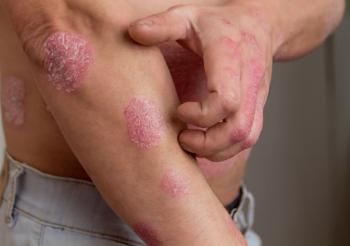
The dermatology clinic provides a unique context in which these disorders manifest. Skin diseases such as acne, psoriasis, and atopic dermatitis can negatively impact self-esteem and contribute to feelings of shame, social withdrawal, and psychological distress. These experiences may exacerbate “narcissistic injury,” defined as threats to self-image through perceived criticism or rejection. In susceptible individuals, this may intensify maladaptive behaviors and increase demand for cosmetic interventions.
The authors highlighted the growing influence of social media in shaping both narcissistic traits and BDD. Platforms that emphasize appearance, filters, and curated self-presentation may reinforce unrealistic beauty standards and perpetuate a cycle of validation-seeking behavior. In some cases, patients pursue dermatologic or cosmetic procedures specifically to improve their appearance in photographs or online content, further complicating clinical decision-making.
Management and Multidisciplinary Care
From a practical standpoint, the review underscores the importance of recognizing behavioral patterns that may portray underlying NPD. These include excessive admiration-seeking, unrealistic expectations, dissatisfaction despite appropriate treatment, and cycles of idealization and devaluation of clinicians. Patients may initially appear charming but later become demanding or critical, creating challenging therapeutic relationships. Maintaining professional boundaries, structured communication, and objective clinical judgment is essential.
A thorough history is critical, including prior procedures, motivations for treatment, and experiences with other providers. Red flags such as frequent provider changes, disparagement of previous clinicians, or exaggerated praise should prompt further assessment. Importantly, clinicians are advised to avoid unnecessary aesthetic interventions in patients with suspected NPD or BDD, as these may worsen psychological distress rather than alleviate it.
Screening tools for BDD, such as validated questionnaires, may be useful in dermatology practice. When concerns arise, referral to mental health professionals is recommended. The authors emphasize that NPD, while challenging, is not untreatable. Psychotherapeutic approaches, including transference-focused therapy, mentalization-based therapy, and schema therapy, offer promising outcomes by addressing underlying deficits in self-regulation and interpersonal functioning. Overall, for dermatology clinicians, awareness of these conditions is essential to optimize patient outcomes, avoid inappropriate interventions, and support holistic, multidisciplinary care.
References
1. Katz JL, Losken A, Kaslow NJ. Addressing Personality in the Practice of Cosmetic Plastic Surgery: An Overview of Borderline, Narcissistic, Obsessive-Compulsive, and Histrionic Personality Disorders. Clin Plast Surg. 2025;52(3):325-331. doi:10.1016/j.cps.2025.02.005
2. Szlávicz E, Osváth P, Major J, Bancsók T, Lengyel Z. Narcissistic Traits and Narcissistic Personality Disorder in Dermatology With a Focus on Body-Dysmorphic Disorder. Int J Dermatol. Published online March 11, 2026. doi:10.1111/ijd.70358
Advertisement
Related Content
Advertisement


Advertisement
Advertisement
Trending on Dermatology Times
1
How Emerging Androgenetic Alopecia Therapies Target DHT at the Scalp Level
2
Tildrakizumab Partially Reverses Epigenetic Aging in Psoriasis, Pilot Study Shows
3
Field-Directed Therapy Favored for Actinic Keratosis Management
4
Diet Linked to Improved Chronic Idiopathic Urticaria Control
5