


Clinician contract negotiation is often treated as administrative, but it directly affects pay, autonomy, workflow, and career trajectory.
Clinician contract negotiation is often treated as administrative, but it directly affects pay, autonomy, workflow, and career trajectory.
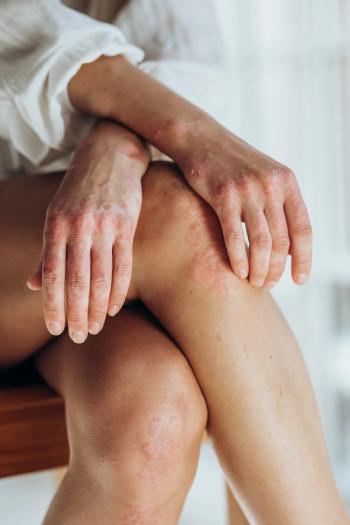
Molecular NOS2/CCL27 testing outperforms standard biopsy reads for psoriasis versus eczema, reducing diagnostic uncertainty in CHE and speeding targeted treatment.
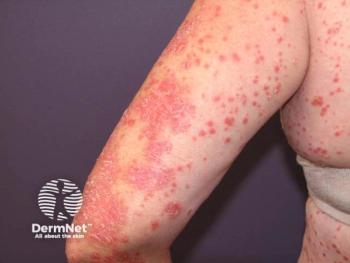
Omar Noor, MD, FAAD, discusses strategies to improve psoriasis care for patients facing adherence challenges related to lifestyle or cognitive barriers.

Trainees identified legal, ethical, and reliability concerns as key barriers to integrating AI into dermatology practice.

Defined by emotional exhaustion, depersonalization, and reduced accomplishment, burnout goes beyond a difficult day in clinic.
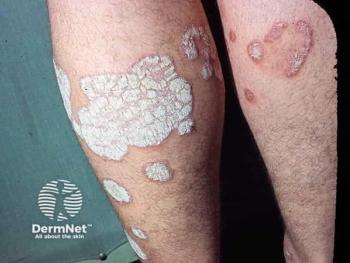
Clinical trial data showed approximately 70% of patients achieved clear or almost clear skin with icotrokinra by week 16.

This review of the latest dermatological studies includes insights on chronic hand eczema patch testing, case reporting, microbiome impact, and more.
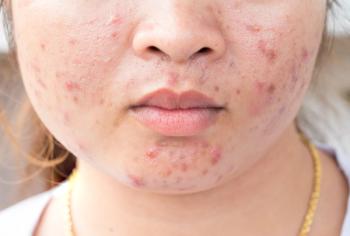
New study links acne to higher serum amyloid A1 inflammation, while lipid shifts hint at systemic effects and new clues for scars and severity.

New data show that nearly 40% of eczema patients face insurance-related barriers, delaying or preventing access to prescribed therapies.

Discover how physician-led dermatology practices build patient-first culture, drive innovation, and sustain long-term care in a changing health care market.

Women often present with sudden skin, hair, and vascular changes that may signal perimenopause rather than normal aging.

Lakshi Aldredge, MSN, ANP-BC, DCNP, FAANP, reviewed clinical trial and long-term data supporting biologic therapies for HS, emphasizing individualized patient selection and timing of intervention.

New top-line results from the BE BOLD trial provide dermatology clinicians with comparative data on 2 biologic therapies targeting different inflammatory pathways in psoriatic arthritis (PsA).

Meta-analysis finds sexual dysfunction common in asthma and AD, with rates hitting 54% in asthma, prompting better screening.
Sun Pharma's tildrakizumab nears psoriatic arthritis approval as FDA accepts a supplemental biologics license application (sBLA), spotlighting IL-23 benefits for active disease.
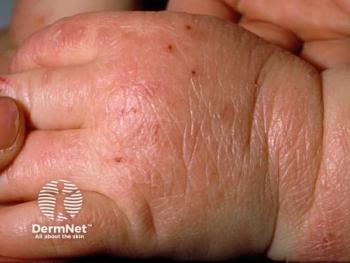
Positive phase 3 findings from ADorable-1 suggest lebrikizumab could expand biologic treatment options for younger patients with atopic dermatitis (AD).
Chovatiya discusses treat-to-target goals, biologics, BSA remission, and patient burden in psoriasis.

Put your dermatology expertise to the test with Dermatology Times’ interactive quiz series.

Explore the top headlines of the week, including insights on the latest clinical trials, therapeutic updates, and more.

Experts discuss why alopecia areata should be viewed as a systemic condition with psychosocial consequences beyond visible hair loss.

In case you missed it, this week we had news on deucravacitinib's approval for PsA, AI-based tumor shape analysis in melanoma, QRX003's fast track for Netherton Syndrome, and more.

This week, we feature top articles from our sister publications on regulatory updates, clinical trial insights, and more.

Experts discuss how clinicians identify the right moment to transition from conventional therapy to biologic treatment in patients with hidradenitis suppurativa (HS).

Jessica DeLuise, PA-C, MHS, CCMS, joins Derm Dispatch to discuss how nutrition and lifestyle intersect with inflammatory skin disease across clinical settings.
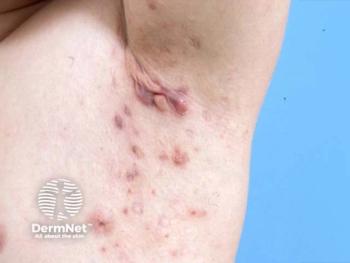
Novartis secured the approval through a pharmacokinetic extrapolation strategy rather than a full pediatric RCT, leveraging adult HS trial data and existing pediatric PK modeling from other approved indications.

New case-control study data link tattoo exposure to a higher melanoma risk, prompting fresh scrutiny of ink chemicals and long-term skin safety.

On National Dermatologist Day, EltaMD unveils oil-balancing UV Clear SPF 50, clinically reducing the appearance of blemishes, shine, and pore size. Learn more in this Q&A with Seemal R. Desai, MD, FAAD, and Annie Woo, MD.
Mark Lebwohl, MD, reviews how the AdvanceAD-Tx 487-GEP test identifies which patients are likely to need a JAK inhibitor rather than a biologic.

Although the number of women leaders in Mohs surgery has increased, significant gender disparities remain in leadership roles, productivity metrics, and speaking opportunities.
On National Skin Barrier Day, dermatologists share barrier-saving tips for gentle cleansing, daily sunscreen, smarter product audits, and retinoid adherence.