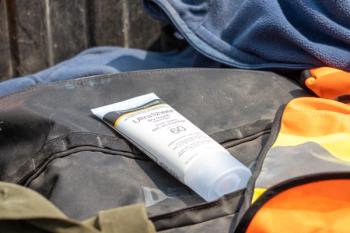
Two new Neutrogena facial sunscreens incorporate bemotrizinol, the first new sunscreen active ingredient added to the US OTC monograph in decades.
Renal transplant patients face frequent warts, fungal infections, and steroid acne, according to new 10-year data.
A new 10-year retrospective cross-sectional study has provided a comprehensive evaluation of the prevalence and clinical spectrum of dermatologic conditions among renal transplant recipients (RTRs).1 With renal transplantation being the current gold standard treatment for end-stage renal disease, this population is uniquely vulnerable due to chronic immunosuppressive therapy.2
Conducted at a tertiary care center in Riyadh, Saudi Arabia, the study analyzed 338 adult RTRs who underwent dermatologic evaluation between 2015 and 2025, offering clinically relevant insights for dermatology providers involved in transplant care. The cohort was relatively balanced, with 51.5% female patients, and had a mean age of approximately 35 years. Nearly all patients were maintained on long-term immunosuppressive regimens, most commonly including corticosteroids, tacrolimus, and mycophenolate. These therapies are essential for preventing graft rejection but significantly alter immune function, predisposing patients to a wide range of cutaneous complications.
Dermatologic conditions were highly prevalent, with infectious dermatoses representing the most common category, affecting 37.3% of patients. Viral warts were the leading infectious condition, accounting for over 40% of infections, followed by superficial fungal infections and folliculitis. This pattern reflects impaired cell-mediated immunity in RTRs, which reduces the body’s ability to control viral and fungal pathogens. Clinically, these infections may present more extensively, recur more frequently, and respond less predictably to standard therapies, as the authors noted.
“Clinicians should maintain a low threshold for diagnostic confirmation through bacterial culture and potassium hydroxide preparation and anticipate that standard treatment courses may require extended duration or combination therapy,” the researchers wrote.
Inflammatory skin conditions were the second most common group, affecting 24% of patients. Acne predominated, representing 42% of inflammatory cases, followed by lichen simplex chronicus and prurigo nodularis. Notably, many inflammatory presentations were linked to immunosuppressive medications themselves. Steroid-induced acne, for example, was the most common drug-related dermatologic manifestation.
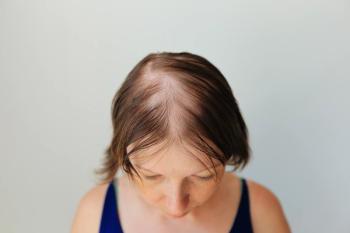
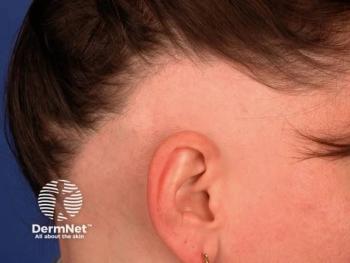
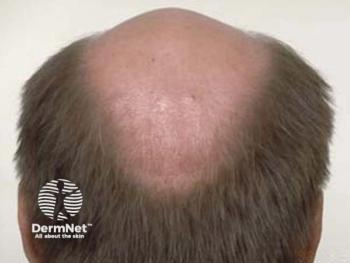
Drug-induced dermatologic conditions accounted for 12.4% of cases overall, with corticosteroids again playing a central role. In addition to acneiform eruptions, drug-related pruritus and hypersensitivity reactions were observed. Hair disorders were also notable, affecting 11.5% of patients. Telogen effluvium was the most common, followed by alopecia areata and androgenetic alopecia. Importantly, female patients were significantly more likely to experience hair disorders, with over fourfold increased odds compared to males.
Neoplastic conditions, while less common (5.9%), remain clinically significant due to their potential severity. The most frequent benign lesion was seborrheic keratosis, while squamous cell carcinoma and basal cell carcinoma were the most common malignancies. Increasing age emerged as a strong independent predictor of neoplastic disease, with each additional year associated with a 10% increase in risk. This finding supports the need for age-stratified skin cancer surveillance in RTRs, even in populations where overall skin cancer incidence may be lower than in Western cohorts.
Other dermatologic findings included xerosis, pruritus without primary lesions, and keloids, reflecting both medication effects and underlying systemic disease. Nail disorders were relatively uncommon but may be underreported.
From a diagnostic standpoint, the majority of conditions (86.7%) were identified through clinical examination alone, emphasizing the importance of thorough skin assessments in routine transplant follow-up. Topical therapies were the most commonly used treatment modality and were associated with higher rates of resolution compared to systemic or surgical approaches. Overall, approximately one-third of dermatologic conditions resolved, while persistence and recurrence were observed in a smaller proportion of cases. Importantly, neither donor type nor time from transplantation to dermatologic diagnosis was significantly associated with the type of skin condition, suggesting that patient-specific factors—particularly age and sex—may be more relevant for risk stratification.
References
1. Alrubaiaan MT, Almutairi AA, Altuwaijri LM, et al. Prevalence and Clinical Spectrum of Dermatologic Conditions in Renal Transplant Recipients: A 10-Year Retrospective Cross-Sectional Study. Clin Cosmet Investig Dermatol. 2026;19:598277. Published 2026 Apr 7. doi:10.2147/CCID.S598277
2. Fitzpatrick J, Chmelo J, Nambiar A, et al. Recipient outcomes in total laparoscopic live donor nephrectomy with multiple renal vessels. Urol Ann. 2020;12(3):266-270. doi:10.4103/UA.UA_96_19