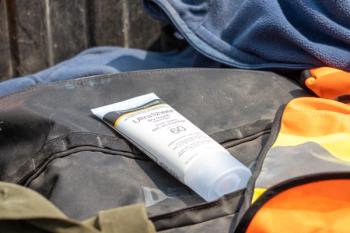
Two new Neutrogena facial sunscreens incorporate bemotrizinol, the first new sunscreen active ingredient added to the US OTC monograph in decades.
Explore the top headlines of the week, including insights on the latest clinical trials, therapeutic updates, and more.
To stay up to date with the latest dermatology news, sign up to receive our
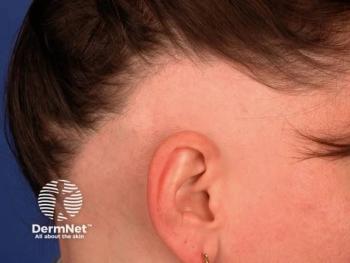
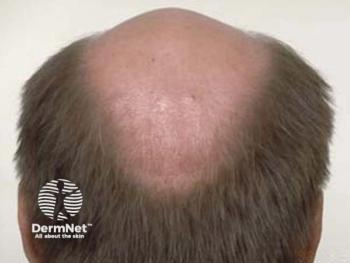
In an interview, Christina Weng, MD, and Daniel Gil, PhD, discussed PP405, a novel topical treatment for alopecia that reactivates dormant hair follicle stem cells to regenerate new hair growth. Unlike existing therapies that primarily slow hair loss or thicken existing strands, PP405 targets the underlying biology by restarting the hair growth cycle in inactive follicles. Phase 2a data showed increased follicular unit activation and terminal hair growth with favorable tolerability and no systemic adverse effects. As development moves into late-stage trials, PP405 represents a promising regenerative approach that could reshape treatment strategies for hair loss.
A recent call to action from the American Contact Dermatitis Society emphasizes that comprehensive patch testing (PT) remains the gold standard for diagnosing allergic contact dermatitis (ACD), a leading cause of dermatologic morbidity in the United States, and is essential for accurate allergen identification and effective management. With tens of thousands of chemicals in use and evolving personal and occupational exposures, patient history alone is often insufficient. The society highlights that limited allergen panels may miss a substantial proportion of clinically relevant sensitivities—for example, the 35-allergen Thin-Layer Rapid Use Epicutaneous Test may fail to detect many allergens identified by the 80-allergen North American Contact Dermatitis Group screening series—potentially leading to misdiagnosis, ongoing exposure, and unnecessary treatment. Beyond individual care, comprehensive PT also supports public health surveillance by identifying emerging allergens. The authors conclude that ensuring broad, equitable access to expanded allergen panels is critical to optimizing outcomes and maintaining high standards of care for patients with suspected ACD.
A small clinical study evaluated a needle-free approach to delivering botulinum toxin type A for oily and acne-prone skin using transdermal application technology via the DERMADROP MED device. In 19 patients, the treatment significantly reduced sebum production—particularly on the forehead—and improved patient-reported outcomes related to skin oiliness, appearance, and quality of life. The procedure was painless, required no downtime, and showed no adverse events, highlighting a potential alternative to traditional intradermal injections. While results are promising, the findings are limited by the study’s small size and short follow-up, and larger trials are needed to confirm efficacy and durability.
At the 2026 Masters of Pediatric Dermatology Symposium, Lisa Swanson, MD, and Nanette Silverberg, MD, highlighted a growing clinical challenge: children and teens developing skin barrier damage, contact dermatitis, and psychosocial stress from complex, influencer-driven skin care routines. Their discussion emphasized that many marketed products—especially fragranced, multi-step, or anti-aging regimens—are unnecessary and often harmful to young skin. Instead, they advocated for a simplified approach centered on gentle cleansing, moisturization, and sun protection, while urging clinicians to address social media–driven misinformation and guide patients toward evidence-based care.
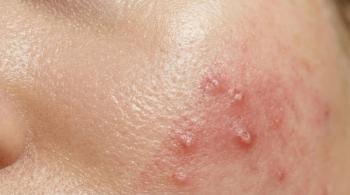
A recent narrative review highlights a growing shift in acne management toward systemic therapies beyond isotretinoin, driven by its safety limitations and monitoring burden. While isotretinoin remains the most effective option for severe acne, newer and repurposed treatments—including narrow-spectrum antibiotics like sarecycline, hormonal therapies such as spironolactone, and metabolic agents like metformin—offer targeted alternatives for select patients. Emerging approaches also include immunomodulators, microbiome-based therapies, and experimental vaccines, reflecting a more personalized, pathophysiology-driven treatment strategy. However, many of these options lack robust comparative data, and barriers such as cost and access continue to limit widespread use.