

News|Articles|April 17, 2026
Breakout Bulletin: April 12-17
Listen
0:00 / 0:00
Key Takeaways
- Metabolic comorbidity appears modifiable in psoriasis; tirzepatide plus ixekizumab improved PASI 100 versus IL‑17 blockade alone, supporting adipose-driven inflammation as an actionable amplifier.
- Veterans Health Administration CSU data show biologic use <3% in year one and ~1-year median escalation, despite high utilization, implying prolonged non-targeted cycling before omalizumab.
Every week, we cut through the noise to bring clinicians the trial results, approvals, and emerging therapies that are actually moving the needle.
Advertisement
You’re busy. Between full clinic schedules, prior authorizations, and chronic disease management, keeping up with dermatology’s evolving literature is increasingly difficult. The Breakout Bulletin is designed to distill what actually matters clinically—what’s changing in mechanisms, management, and real-world practice patterns.
This week, 4 signals stand out: metabolic drivers are reshaping inflammatory disease outcomes, biologic escalation in CSU remains delayed, systemic burden across eczema and psoriasis is more clinically actionable than ever, and long-term targeted therapies are expanding into hair loss and pediatric inflammatory disease.
Metabolic Modulation Is Becoming Clinically Relevant in Psoriatic Care
One of the most practice-relevant developments this week is the continued convergence of metabolic and inflammatory dermatology—a theme we explored in depth in our
Recent clinical trial data evaluating ixekizumab (Taltz; Eli Lilly and Company) in combination with tirzepatide (Zepbound; Eli Lilly and Company) demonstrate that addressing obesity in parallel with IL-17 inhibition can meaningfully improve psoriasis outcomes, including higher rates of PASI 100 compared with biologic monotherapy. Importantly, this is not simply a weight-loss observation—it reinforces the role of adipose-driven inflammation as a modifiable disease amplifier.
For dermatology clinicians, the implication is not that GLP-1 receptor agonists become part of routine prescribing, but rather that metabolic status should be treated as a dynamic component of disease activity. Increasingly, psoriasis severity is not fully separable from insulin resistance, obesity-related cytokine signaling, and systemic inflammatory load.
At the same time, GLP-1–associated effects are becoming more visible in dermatology practices. Telogen effluvium—likely multifactorial, including rapid weight loss and nutritional deficits—and facial volume loss are now common patient concerns. These are not new phenomena, but the frequency in the current therapeutic landscape makes proactive counseling more important.
The clinical shift is subtle but meaningful: psoriasis management is becoming inherently multimodal, even when dermatology is not directly prescribing the metabolic therapy.
Chronic Spontaneous Urticaria: Persistent Delay in Biologic Escalation
A large Veterans Health Administration dataset (n > 26,000) highlights a persistent gap between guideline-directed CSU management and real-world care.
Despite most patients initiating some form of therapy within 12 months of diagnosis, biologic utilization remains extremely low (<3% in the first year), with median time to escalation approaching one year. This occurs despite ongoing disease burden requiring repeated outpatient visits and increased health care utilization across nearly all categories.
Clinically, this reflects a well-known but still unresolved pattern: prolonged cycling through antihistamines, leukotriene modifiers, corticosteroids, and immunosuppressants before advancing to targeted therapy.
The takeaway is not theoretical. CSU remains significantly undertreated in practice, and biologic escalation continues to lag behind guideline intent. For clinicians, earlier identification of refractory disease and more timely transition to omalizumab or other advanced therapies remains an actionable quality gap.
Eczema and Psoriasis Reinforce Systemic Disease Framing
Large-scale NIH All of Us data further solidify the systemic nature of chronic inflammatory dermatoses.
Across more than 600,000 participants, both eczema and psoriasis were associated with high rates of obesity and depression, each approaching approximately half of affected cohorts. Psoriasis, in particular, demonstrated stronger associations with cardiovascular outcomes, including myocardial infarction and stroke, as well as higher smoking prevalence.
A notable finding is the convergence of respiratory comorbidity (asthma prevalence ~30% in both groups), challenging traditional compartmentalization of Th2 versus Th17 disease in real-world populations. This may reflect overlapping inflammatory pathways, shared environmental risk factors, or diagnostic overlap.
Equally important is persistent systemic corticosteroid exposure in both conditions. While some prescribing may be unrelated to dermatologic indication, the signal reinforces ongoing gaps in steroid-sparing implementation.
The clinical implication is increasingly well defined: eczema and psoriasis require routine integration of psychiatric and cardiometabolic screening, not just escalation of skin-directed therapy.
Androgenetic Alopecia: Early Signal of Disease-Modifying Topical Therapy
Phase 3 data for clascoterone 5% topical solution suggest a potential shift in androgenetic alopecia management.
Across a large multicenter development program, continuous 12-month treatment resulted in sustained increases in target area hair count, with continued improvement over time rather than early plateau. Patients discontinuing therapy lost progressive benefit, supporting ongoing pharmacologic activity rather than transient follicular stimulation.
From a safety standpoint, the absence of meaningful systemic hormonal effects over 12 months is particularly relevant given its androgen receptor–targeted mechanism. This supports its feasibility as a chronic-use therapy in a lifelong condition.
While still investigational, the clinical signal is notable: this represents one of the first topical approaches in decades with potential disease-modifying rather than purely maintenance effects in AGA.
Pediatric Chronic Hand Eczema Moves Into Targeted Topical Immunology
Regulatory momentum is also expanding into pediatric inflammatory disease.
The FDA’s acceptance of a supplemental NDA for delgocitinib cream (Anzupgo; topical pan–JAK inhibitor) in adolescents aged 12–17 with chronic hand eczema is supported by phase 3 data demonstrating significant improvement in disease severity and symptom burden versus vehicle.
This is clinically relevant because pediatric CHE remains an undertreated condition with limited long-term options beyond topical corticosteroids, which carry cumulative safety concerns.
Mechanistically, topical JAK inhibition directly targets inflammatory signaling pathways central to disease persistence, offering a non-steroidal alternative that aligns with current movement toward pathway-specific dermatologic therapy.
More broadly, this reflects a structural change: pediatric dermatology is increasingly being included in the same targeted immunology pipeline as adult inflammatory disease.
The Bottom Line
Dermatology is entering a phase where disease management is increasingly systemic, mechanistic, and longitudinal.
For clinicians, this means the most important changes are not just new approvals, but how existing pathways—metabolic, inflammatory, and immune—intersect with skin disease in real-world practice.
The therapeutic landscape is expanding. The implementation gap is what now defines outcomes.
Advertisement
Related to this article

This review of the latest dermatological studies includes insights on

Both barzolvolimab doses improved UAS7 at week 12 in EMBARQ-CSU1 and EMBARQ-CSU2, with up to 54% of patients reaching complete response by week 24.
The designation marks the first FDA Fast Track status granted to a therapy for peeling skin syndrome, which currently has no approved treatment.

Maui Derm NP+PA Fall 2026 brought APPs together for updates spanning inflammatory disease, oncology, emerging therapies, and diagnostic challenges.

LEO Pharma has closed its acquisition of dersimelagon from Tanabe Pharma after the FDA accepted the drug's NDA for filing and granted Priority Review, with a PDUFA date expected by the end of February 2027.
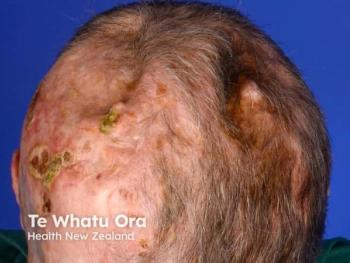
Sol-Gel Technologies has completed patient follow-up in its pivotal phase 3 trial of SGT-610 (patidegib gel, 2%) for Gorlin syndrome, with top-line results expected in late November 2026.
Two small clinical studies evaluated skincare and dermabrasion for changes in skin quality among individuals taking medical weight loss medications.

Faculty from the Cutaneous Oncology Workshop answer practical questions spanning skin cancer prevention, diagnosis, treatment, and follow-up.
Advertisement
Advertisement
Trending on Dermatology Times
1
FDA Grants Fast Track Designation to QRX003 for Peeling Skin Syndrome
2
Barzolvolimab Achieves All Phase 3 End Points in Chronic Spontaneous Urticaria
3
Don't Be Rash: Building the Pediatric Psoriasis Treatment Ladder
4
Alopecia Awareness Month: Supporting Patients Beyond the Treatment Plan
5