


Learn more about the in-depth topics covered in the April 2026 print issue of Dermatology Times.
Learn more about the in-depth topics covered in the April 2026 print issue of Dermatology Times.
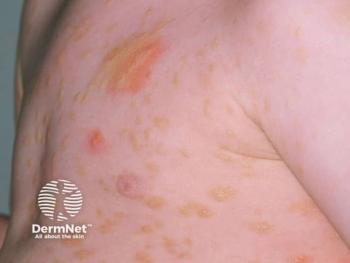
Even nonadvanced forms of systemic mastocytosis can significantly impact patients’ quality of life, though new treatments are improving outcomes.

The FDA has accepted the resubmitted BLA for relabotulinumtoxinA, a next-generation neuromodulator for treating facial lines in adults.

At the 2026 Winter Clinical Miami meeting, dermatology leaders emphasized that thriving careers require skills beyond clinical expertise.

Patients frequently experience persistent symptoms, visible lesions, and recurrent flares that affect daily functioning and self-image.
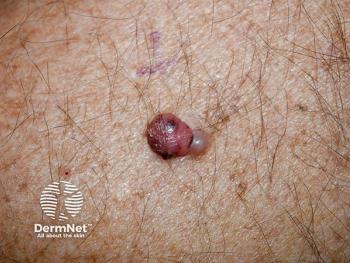
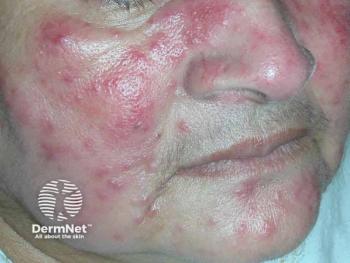
Dysregulation of the innate immune system, inflammatory cytokines, and abnormal blood vessel growth plays a key role in persistent redness and flushing.
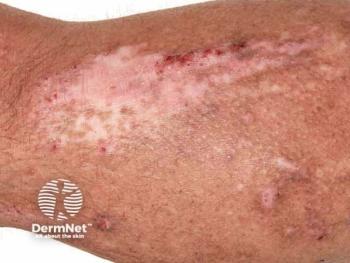
A new gene expression profiling (GEP) test may transform how clinicians select systemic treatments for moderate to severe atopic dermatitis (AD).

Oral therapies may provide more widespread and effective repigmentation, especially in extensive nonsegmental vitiligo.

Although dermatologists are not expected to routinely prescribe GLP-1 drugs, they are increasingly encountering cutaneous effects, especially hair loss and facial volume loss.

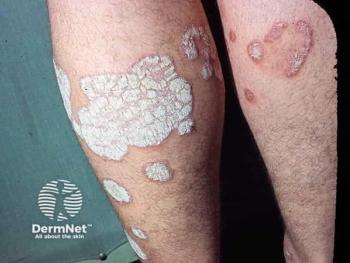
Clinical trial data showed approximately 70% of patients achieved clear or almost clear skin with icotrokinra by week 16.

Brad Glick, DO, MPH, and attendees discuss innovative treatments for atopic dermatitis, emphasizing the importance of patient comfort and modern nonsteroidal options.