Longer treatment duration was independently associated with VASI improvement, while publicly insured patients experienced higher topical JAK inhibitor denial rates.
A new systematic review shows vitiligo’s stigma-driven mental health and quality-of-life burden varies by culture, urging culturally tailored, multidisciplinary care and education.
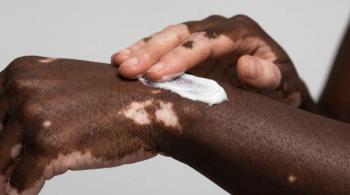
Although vitiligo is frequently perceived as a cosmetic condition, a new systematic review highlights its substantial psychosocial burden, which is strongly influenced by cultural beliefs, stigma, and access to medical education. Across 23 included studies, the investigators examine how sociocultural context shapes illness perception, mental health outcomes, and quality of life (QoL) in patients with vitiligo.1
A comprehensive literature search of PubMed, Embase, and PsycINFO was conducted from database inception through June 22, 2025. Search terms combined “vitiligo” with concepts related to stigma, cultural beliefs, psychological burden, and QoL. Eligible studies were peer-reviewed, English-language publications that evaluated psychosocial, cultural, or mental health domains in patients with vitiligo. A total of 23 studies met the inclusion criteria. Due to the limited availability of large-scale psychosocial trials, a range of study designs (cross-sectional, case–control, qualitative reports, etc.) were included to capture both quantitative outcomes and contextual patient experiences.
Cultural beliefs about vitiligo varied substantially across regions, with global prevalence estimated to be between 0.5% and 2.0%.2 These varying beliefs were closely tied to health literacy and local traditions. In several South Asian, African, and Middle Eastern populations, vitiligo was attributed to supernatural or moral causes, including curses, divine punishment, or spiritual impurity. Misconceptions regarding contagion were also reported. In contrast, patients in Western and more medically resourced settings more commonly recognize vitiligo as a non-contagious autoimmune condition. However, even in these populations, improved knowledge did not fully mitigate psychosocial burden, indicating that stigma extends beyond misinformation alone.
Stigmatization was consistently reported across all settings, though its expression differed by region. Patients described social exclusion, discrimination in employment and marriage, and internalized shame. In South Asia and the Middle East, stigma was often linked to sociocultural expectations surrounding appearance and marriageability, disproportionately affecting women. In sub-Saharan Africa, stigma was frequently more overt, including social avoidance and associations with infectious disease. In Western populations, stigma tended to be more internalized, manifesting as reduced self-esteem, social anxiety, and concealment behaviors. Across all the studies, women and individuals with darker skin phototypes experienced greater stigma and disease visibility–related distress.
Psychological comorbidities were common and contributed significantly to disease burden. About one-quarter of patients in some cohorts experienced psychiatric morbidity, most commonly depression, anxiety, and adjustment disorders. Higher rates of mental health conditions were observed in racial and ethnic minority populations in the US and the United Kingdom, as well as in pediatric cohorts, where increased risks of behavioral disorders and mood disturbances were reported.
QoL impairment was consistently demonstrated but varied geographically. Patients in Africa, the Middle East, and South Asia generally reported moderate to severe impairment, while Western populations reported milder—though still clinically meaningful—effects. Poorer QoL was associated with female gender, younger age, visible or facial involvement, and greater disease extent. Importantly, QoL impairment extended beyond physical symptoms, affecting interpersonal relationships, employment opportunities, and self-image.
Coping strategies were shaped by cultural context. Common approaches included lesion concealment, social avoidance, and reliance on religious or spiritual practices. Use of complementary and alternative medicine (CAM) was also frequent, particularly in non-Western populations, and included herbal therapies, dietary modifications, and traditional healing practices. In the United States, approximately one-third of patients reported CAM use, with higher utilization among non-White individuals. These behaviors may influence treatment adherence and delay engagement with evidence-based care.
The authors did note several limitations, including heterogeneity in study design, reliance on cross-sectional and qualitative data, and underrepresentation of certain geographic regions. Variability in QoL measurement tools also further limited direct comparisons across studies. Overall, however, the review demonstrates that vitiligo carries a significant and globally variable psychosocial burden driven by cultural beliefs and stigma.
“There is a need for multidisciplinary, culturally tailored interventions that integrate dermatologic care with psychosocial support and stigma reduction,” the study authors noted. “Future research should prioritize underrepresented and high-stigma populations to inform equitable models of care.”
References
1. Ma S, Zieneldien T, Tan IJ, Jafferany M. Cross-Cultural Beliefs and Stigmatization in Vitiligo: A Systematic Review. J Cosmet Dermatol. 2026;25(4):e70725. doi:10.1111/jocd.70725
2. Krüger C, Schallreuter KU. A review of the worldwide prevalence of vitiligo in children/adolescents and adults. Int J Dermatol. 2012;51(10):1206-1212. doi:10.1111/j.1365-4632.2011.05377.x