An HS toolbox with wound care, symptom relief, and personal care supplies can help patients stay prepared for unexpected flares.
Building trust through empathetic communication, education, and support resources is essential to improving outcomes for patients with HS.
“There are so many different ways that HS [hidradenitis suppurativa] destroys patients physically and mentally. It makes them isolated. It makes them want to be isolated. It’s just a horrible way to live for patients,” Barry Resnik, MD, said in this Dermatology Times DermView custom video series, “From Burden to Breakthrough: Emerging Strategies in HS Management.”
Resnik was joined by Jennifer Hsiao, MD, FAAD, to provide a wide-ranging discussion on HS—from disease burden and diagnostic pitfalls to current and emerging therapeutics, communication strategies, and practical resources for patients and clinicians.
To start, both clinicians emphasized that HS is “the worst disease no one has ever heard of” and described its profound impact across physical, psychological, social, and economic domains. Patients often endure severe pain, drainage, odor, and scarring that impair basic activities such as walking, sitting, hugging, or wearing clothing.
Resnik, a clinical professor at the University of Miami and long-standing executive board member of the HS Foundation, detailed the unseen economic and logistical burden: patients traveling long distances due to limited local expertise, costs of lodging, repeatedly replacing stained clothes and bed linens, and anxiety about soiling furniture in social settings.
Psychologically, patients frequently experience shame, isolation, mistrust of the medical system, and depression. Hsiao, clinical associate professor of dermatology and director of the HS Specialty Clinic at the Keck School of Medicine of the University of Southern California in Los Angeles, noted that many have been told HS is their fault, attributed to poor hygiene or weight.
“Sometimes a careless remark by someone in the health care system can also just set back that trust between patients and providers,” Hsiao said. “We have to work extra hard to overcome that and let them know that now they’re in the right place and we can help them.”
Hsiao and Resnik highlighted the well-documented average 10-year delay to diagnosis. Despite growing awareness, HS remains underrecognized by frontline clinicians. A common misconception they confront regularly is assuming HS is not just a disease of the skin but rather an infection caused by poor hygiene, obesity, or smoking.
“HS can really affect anyone,” Hsiao said. “I have plenty of patients who are underweight, who have never smoked a cigarette in their lives, but have really severe HS.”
On the diagnostic side, they reviewed classic disease criteria but underscored the need for flexible clinical thinking. HS may present with the following:
Papulonodular variants without classic coalescing plaques
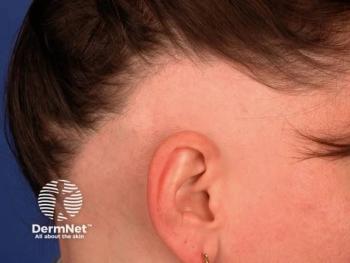
Lesions beyond axillae and groin, including posterior neck, postauricular areas, back, and other atypical sites
Associated entities within the acne tetrad: dissecting cellulitis, acne conglobata, pilonidal disease
They cautioned against dismissing HS when lesions are absent on the day of exam, as history of recurrence is central. For challenging cases with prominent gluteal or perineal tunnels, Hsiao noted that pelvic MRI and evaluation for Crohn disease can help distinguish or identify overlap.
Both clinicians argued that HS should be “bread and butter” dermatology, akin to chronic inflammatory dermatoses like psoriasis and atopic dermatitis (AD). Dermatologists are uniquely positioned because they rely on visual pattern recognition for diagnosis and provide both medical and procedural management. They can act as the “quarterbacks of care,” as Hsiao described, coordinating with gastrointestinal, surgical, primary care, and mental health clinicians.
Hsiao and Resnik emphasized full-skin examinations and routine screening questions—for example, asking every new patient with acne about boils or painful lesions on axillae, groin, buttocks, and other folds—to bring patients “out of hiding” and capture early disease.
The conversation then shifted to early, aggressive intervention to prevent irreversible tissue destruction. Resnik described HS as a one-way street: The longer uncontrolled inflammation persists, the more permanent damage accumulates. They highlighted the currently FDA-approved therapies for moderate to severe HS: adalimumab, secukinumab, and bimekizumab. In practice, they aim to move away from endless cycles of incision and drainage and short antibiotic courses and instead employ targeted biologics based on the known inflammatory milieu.
The dermatologists also devoted considerable attention to emerging small molecules, especially Janus kinase (JAK) inhibitors. Two JAK1-selective inhibitors, povorcitinib and upadacitinib, are in the HS pipeline. Hsiao shared positive phase 3 data for povorcitinib and highlighted ongoing phase 3 trials for upadacitinib, including adolescents aged 12 years and older, an especially underserved population.
Resnik shared his practical experience using upadacitinib off-label for HS, often in combination with biologics, and anticipates that HS will require higher doses and more intensive regimens than AD. They also mentioned other investigational or off-label avenues, such as Bruton tyrosine kinase inhibitor remibrutinib, topical ruxolitinib, and IL‑1–targeted agents such as lutikizumab and sonelokimab.
“The more medicines we have labeled in the arena, the more likely we’re going to be able to get someone on something that’s going to keep them going the distance, and that’s what we need,” Resnik said.
Despite available biologics, many patients with HS remain undertreated. Barriers exist at both the patient level—such as medical fatigue and distrust after repeated failures—and the system level, including onerous prior authorizations, repeated denials, and time-intensive biologic coordination. Both clinicians rely on HS Foundation prior authorization templates, leaning on evidence from adjacent indications to justify use, especially in adolescents.
A recurring theme in this discussion was deliberate, empathic communication. Both clinicians routinely provide printed action plans and digital resources, covering cleansers, adjunctive measures (eg, laser hair reduction, supplements), and patient support organizations, including the HS Foundation, HS Connect, and other international HS networks. The single most important message that patients should get is that they’re not alone, Hsiao and Resnik concluded.