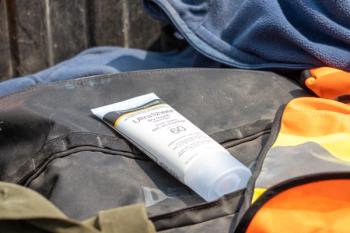
Two new Neutrogena facial sunscreens incorporate bemotrizinol, the first new sunscreen active ingredient added to the US OTC monograph in decades.
A meta-analysis cited in the review found depression prevalence among melasma patients at 43.4% — approximately 12 times the estimated global rate — highlighting the psychiatric weight of pregnancy-associated skin changes.
A narrative review published in JEADV Clinical Practice makes the case for gender-specific psychodermatologic care, arguing that hormonal transitions across a woman's life are not merely physiological events but critical inflection points with meaningful consequences for both skin disease and mental health.1
Authored by researchers from Georgetown University School of Medicine, the University of Miami Miller School of Medicine, Rutgers New Jersey Medical School, and Central Michigan University College of Medicine, the review frames its analysis through 2 interconnected models: the brain–skin axis and the Neuro-Immuno-Cutaneous-Endocrine (NICE) network. Together, these frameworks describe the skin as an active neuroendocrine organ — one that produces its own peripheral hypothalamic-pituitary-adrenal (HPA) axis response and houses functional receptors for hormones including corticotropin-releasing hormone (CRH), ACTH, and cortisol.2
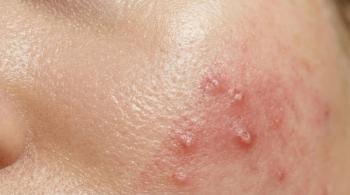
The review opens with adolescence, noting that rising androgens during puberty stimulate CRH and ACTH in sebocytes, upregulating lipid synthesis and inflammatory signaling. Acne affects roughly 85% of teenagers and is associated with significant psychological sequelae including poor self-image, depression, and anxiety. Cyclic hormonal shifts introduced by the menstrual cycle compound these effects: during the luteal phase, declining estrogen reduces anti-inflammatory IL-10 while elevating TNF-α and IL-6, contributing to premenstrual flares of acne, atopic dermatitis, and psoriasis. In one cited study of 400 women with acne, 44% reported premenstrual flares independent of acne severity, ethnicity, or oral contraceptive use. The review also addresses premenstrual dysphoric disorder (PMDD) as a condition in which heightened hormonal sensitivity produces both dermatologic flares and compounded psychosocial distress.
Chronic endocrine disorders including PCOS and endometriosis receive dedicated attention. In PCOS, hyperandrogenism drives persistent acne, hirsutism, and alopecia alongside elevated rates of anxiety, depression, and body image dissatisfaction. Endometriosis, which the authors note affects upward of 15% of women, can involve cutaneous manifestations and carries a significant psychological burden tied to chronic pain and infertility.
Pregnancy-associated dermatoses — including melasma, PUPPP, and pemphigoid gestationis — are examined in the context of an increasingly reactive NICE network and HPA axis. The authors cite a meta-analysis finding that the prevalence of depression among melasma patients was 43.4%, approximately 12 times the estimated global rate. The postpartum period introduces a different hormonal landscape: abrupt estrogen withdrawal is linked to telogen effluvium, and the authors describe increased vulnerability to trichotillomania and excoriation disorder, conditions tied to dysregulated HPA-axis signaling and altered impulse-control circuitry.
Chronic estrogen decline during menopause disrupts the endocrine arm of the NICE network, elevating pro-inflammatory cytokines, reducing collagen synthesis, and impairing cutaneous hydration. A survey of 1,287 women found that 72% reported visible skin changes during or after menopause, yet half reported feeling inadequately informed about these symptoms. Hormone replacement therapy is noted as an option associated with improvements in skin hydration, elasticity, and texture, though the authors emphasize the need for individualized decision-making.
Across all life stages, the review underscores that women with visible skin conditions carry a disproportionate psychiatric burden compared with men. Meta-analytic data on vitiligo showed women experienced worse mental health outcomes than male counterparts. In patients with acne, social phobia was present in 85% of women in one meta-analysis. The authors advocate for routine psychosocial screening using validated tools such as the PHQ-9, along with BDD screening in appropriate patients, and cite CBT and mindfulness-based stress reduction as interventions with demonstrated efficacy in dermatologic contexts.
The authors call for longitudinal research examining the full arc of hormonal transitions on skin and psychiatric outcomes, particularly across racially and socioeconomically diverse populations — a gap they identify as a meaningful limitation of the existing literature and of their own review.
References