

News|Videos|June 5, 2026
Why Effective Treatment Must Address Both the Internal and External Scars of Acne
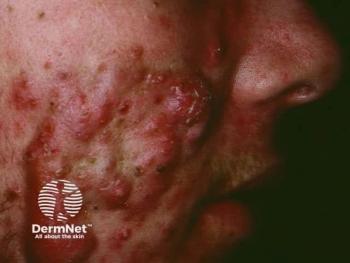
Suneel Chilukuri, MD, explains why acne care requires a holistic approach that treats both visible lesions and the "mental scarring" that affects patient self-confidence.
Advertisement
Chilukuri noted that even a single prominent lesion can affect how patients perceive themselves and interact socially. As a result, acne treatment should be viewed through a broader lens that includes both prevention of future scarring and preservation of quality of life. He encouraged clinicians to discuss these concerns proactively with patients, particularly during
“What we're not always paying attention to is not just the scarring that's visible physically, [but] also the internal scarring, the mental scarring,” he reminded.
To help reduce inflammation and minimize the risk of post-acne sequelae, Chilukuri highlighted the value of accessible topical therapies. Salicylic acid remains an important over-the-counter option because of its anti-inflammatory properties and ability to help clear pores. He also discussed the role of topical retinoids, particularly adapalene, which is now widely available without a prescription. By increasing cellular turnover from approximately every 38 to 42 days to every 7 to 10 days, adapalene can help reduce acne lesions while also improving post-inflammatory erythema and decreasing the likelihood of long-term scarring. This combination of prevention and treatment, he said, supports a more holistic approach to acne care.
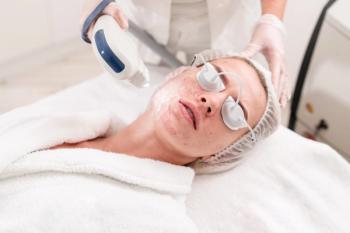
The discussion also explored advances in microneedling for acne scars. Chilukuri reflected on the evolution of collagen induction therapy since its early development in the 1990s and highlighted the importance of evidence-based technology. He noted that
Finally, Chilukuri cautioned patients against relying solely on social media skincare advice. While digital platforms can provide education, he stressed the importance of evaluating the credibility of sources and seeking guidance from qualified acne experts. As misinformation continues to circulate online, dermatologists play a critical role in helping patients distinguish evidence-based recommendations from trends that may ultimately worsen acne or compromise skin health.
“What we're finding now with social media…it's a great avenue for learning and putting some information out there, but you have to make sure that it's vetted information and make sure that it's actually accurate,” Chilukuri concluded.
Advertisement
Related Content
Advertisement




Advertisement
Advertisement
Trending on Dermatology Times
1
Biologic Therapy Linked to Lower 10-Year MACE Risk Across Racial Groups in Psoriasis
2
Former CDC Director Robert Redfield Joins Turn Therapeutics as Chief Scientific Officer
3
Body Weight, Not BMI, Associated With Brodalumab Response Trajectory in Plaque Psoriasis
4
FDA Grants QRX003 Rare Pediatric Disease Designation in Peeling Skin Syndrome
5