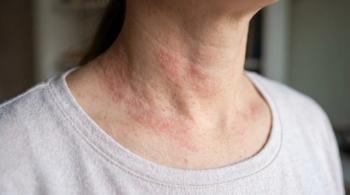
Stratman discusses individualized eczema care, expanding treatment options, and the potential of precision medicine to guide therapy.
Learn why non-comedogenic moisturizers and hyaluronic acid support the skin barrier in acne patients, plus how patients can use benzoyl peroxide safely.
As we celebrate June’s
Many patients assume that because their skin is oily, moisturizers should be avoided. However, Chilukuri explained that when the skin becomes excessively dry, the body responds by producing more sebum in an attempt to restore balance. This excess oil can contribute to blockage of the follicular opening, creating an environment that promotes bacterial growth and inflammation. The result may be worsening comedonal, inflammatory, and papular acne lesions.
To help break this cycle, Chilukuri recommends incorporating non-comedogenic moisturizers into acne treatment regimens. He emphasized that accessible over-the-counter options can be effective, particularly products specifically formulated for acne-prone skin. Hyaluronic acid is another ingredient he frequently recommends because of its lightweight texture and ability to attract and retain water in the skin. By supporting hydration and barrier repair, hyaluronic acid may help reduce irritation while complementing other acne therapies.
Chilukuri also discussed the enduring role of benzoyl peroxide (BPO), which remains one of the most valuable ingredients in acne management despite decades of therapeutic advances. Available in concentrations ranging from approximately 2% to 10%, benzoyl peroxide can be tailored to different patient needs and skin types. Higher concentrations may be particularly useful for younger patients with thicker, oilier skin or for truncal acne involving the chest and back, while lower concentrations may be preferred for facial acne or during colder, drier seasons when irritation is more likely.
“It's an incredible ingredient. We use it every single day and it's one of the favorite things that I use [on] myself and family members,” Chilukuri said.
A key advantage of benzoyl peroxide, he noted, is that it does not contribute to bacterial resistance, distinguishing it from many antibiotic-based therapies. This characteristic has helped maintain its relevance as both a prescription and over-the-counter treatment option. Given its efficacy, versatility, and long-standing safety profile, benzoyl peroxide continues to serve as a cornerstone of acne care for patients across a wide range of ages and disease severities.